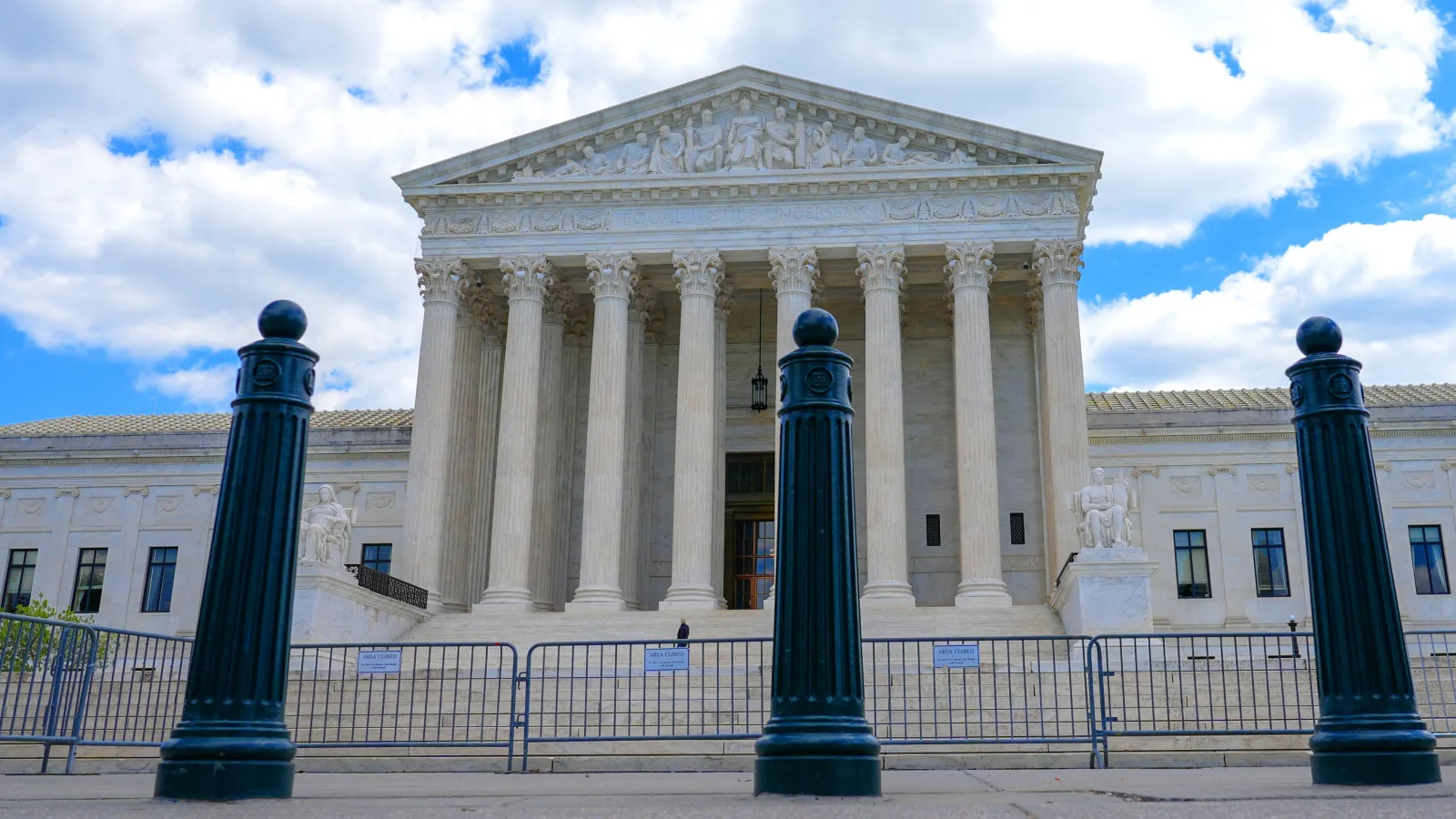
The Supreme Court's conservative majority has struck down Louisiana's congressional map, finding it an unconstitutional gerrymander that improperly considered race to create a majority-Black district. The ruling has unleashed a new era of partisan redistricting wars across the nation, with states from Florida to Virginia already redrawing electoral maps to benefit the party in power.
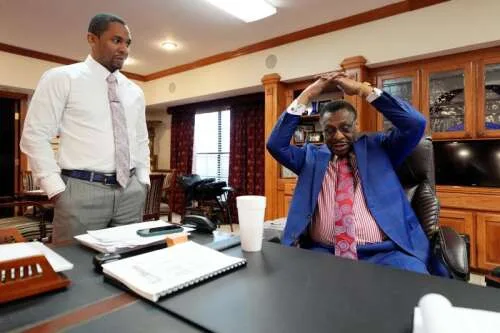
Civil rights advocates warn the decision removes critical legal protections for minority voters. Alanah Odoms, executive director of the American Civil Liberties Union of Louisiana, described the ruling as costing the nation "one of the last seat belts of our democracy." Damon Hewitt, president of the Lawyers Committee for Civil Rights Under Law, stated the decision makes it "less likely that we ever will" achieve full representation for Black Americans in the electoral process.

The practical implications are already visible. In Florida, Republicans approved a new congressional map this past week that could give the GOP 24 of 28 seats — 86 percent of the state's House delegation — in a state where Vice President Kamala Harris won 43 percent of the vote. Democrats responded with their own aggressive mapping in Virginia, positioning their party to control 10 of 11 congressional seats, or 90 percent of the delegation, despite Trump winning 46 percent of the state's vote.
The redistricting arms race traces partly to mid-decade gerrymandering that began last year when President Donald Trump asked Texas officials to create a map benefiting Republicans. California countered with a Democratic-favoring map, and several other states followed suit. Election lawyers in both parties now contemplate numerous legal challenges as officials grapple with the Supreme Court's new guidelines.
The consequences extend beyond Congress. Press Robinson, a Louisiana resident who advocated for minority representation in the state's maps, warned the decision will affect races for judges, school board members, and council seats across the country.
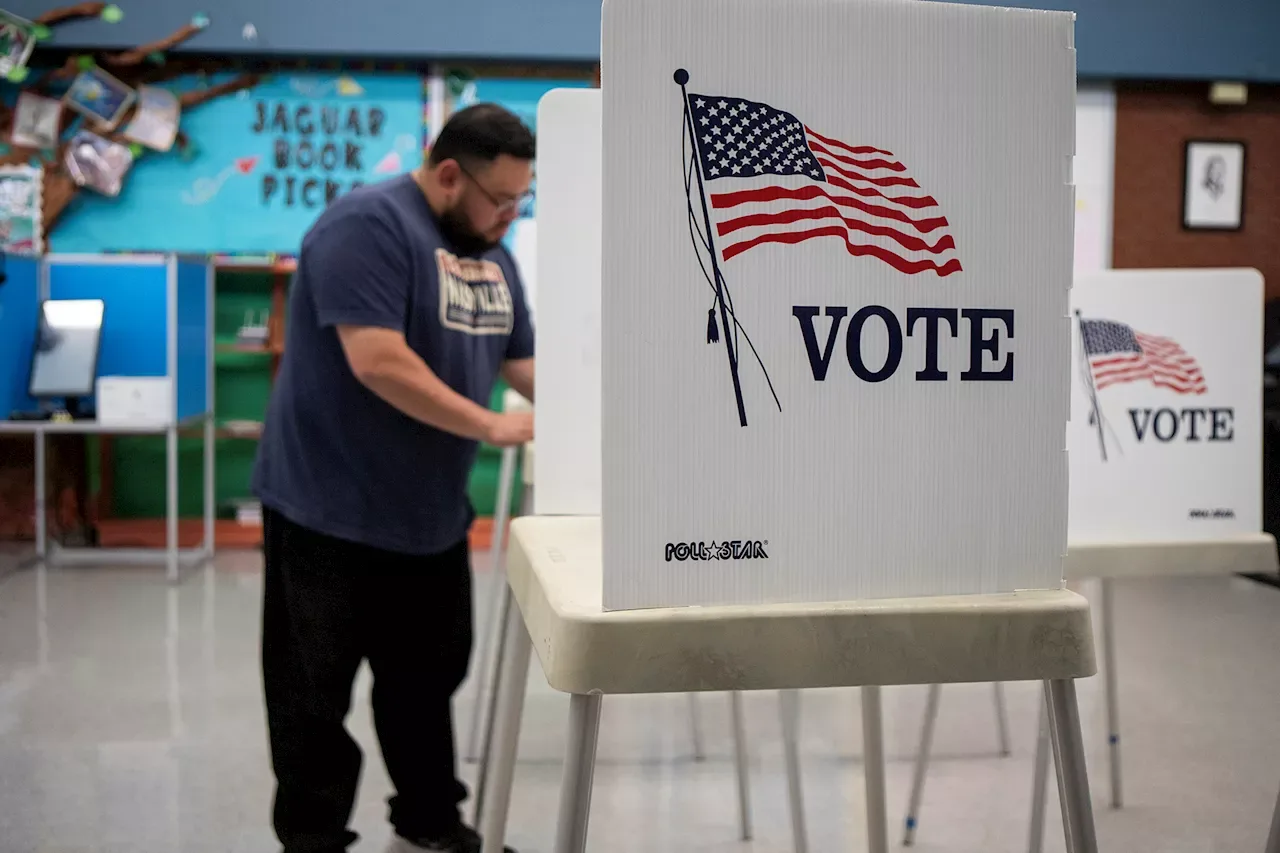
Competition in congressional races has already become endangered. After redistricting in 2021, about one-third of House members ran unopposed in primaries, with all but 12 of those districts considered "safe" seats. Just 8 percent of congressional races were decided by fewer than 5 percentage points. Roughly 90 percent of races are now decided by primary voters months before general elections.
Both parties have signaled aggressive intentions moving forward. House Minority Leader Hakeem Jeffries, D-N.Y., described the emerging approach as "maximum warfare, everywhere, all the time." Rep. Alexandria Ocasio-Cortez, D-N.Y., warned that Democrats would "provide balance" through their own aggressive redistricting if Republicans continued gerrymandering their states. Rep. Terri Sewell of Alabama suggested Democrats could claim all 52 California seats and 17 Illinois seats in response.
Trump has already encouraged Republican state officials to act quickly. He urged Tennessee Governor Bill Lee to redraw the state's maps, saying the decision would help "Save our Country from the Radical Left Democrats."