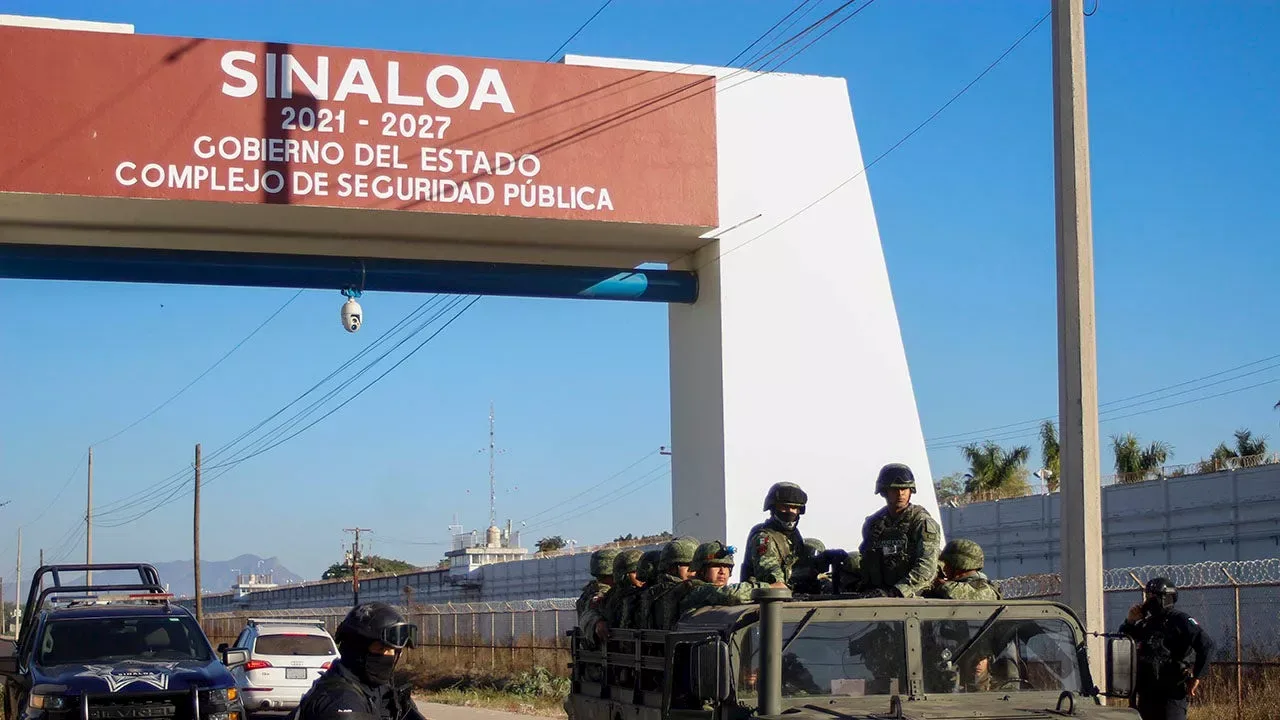
Federal prosecutors in New York announced Wednesday an indictment accusing the governor of Sinaloa and ten other officials of collaborating with the Sinaloa Cartel's 'Chapitos' faction. The charges allege that the corrupt officials accepted millions in bribes, shielded cartel leaders from law enforcement, facilitated fentanyl shipments into the United States, and participated in the torture and murder of a Drug Enforcement Administration source.
The U.S. Attorney's Office in the Southern District of New York claims the conspiracy transformed the region into a major global source of narcotics trafficking. Within hours of the announcement, Mexico's Secretariat of Foreign Affairs responded by disputing the legal foundation of the charges, stating that the U.S. documents lack sufficient evidentiary elements to establish criminal responsibility.
Mexico's government confirmed that the U.S. Embassy delivered extradition requests on Tuesday night. Following a legal review, Mexican officials concluded the documentation did not meet evidentiary standards under Mexican law. The extradition requests were forwarded to Mexico's Attorney General's Office for evaluation and a determination on whether arrest and extradition proceedings could proceed through the Mexican justice system.
The diplomatic rift widened when Mexico criticized the U.S. decision to publicly announce the indictments. Mexican officials cited bilateral treaties requiring strict confidentiality for such matters. In response, Mexico's government announced it would lodge a formal diplomatic reprimand—an "extrañamiento"—with the U.S. Embassy to protest the manner in which the charges were disclosed.
The White House, the U.S. Attorney's Office, the U.S. Embassy in Mexico, and Mexico's Secretariat of Foreign Affairs did not provide immediate responses to requests for comment on the dispute.