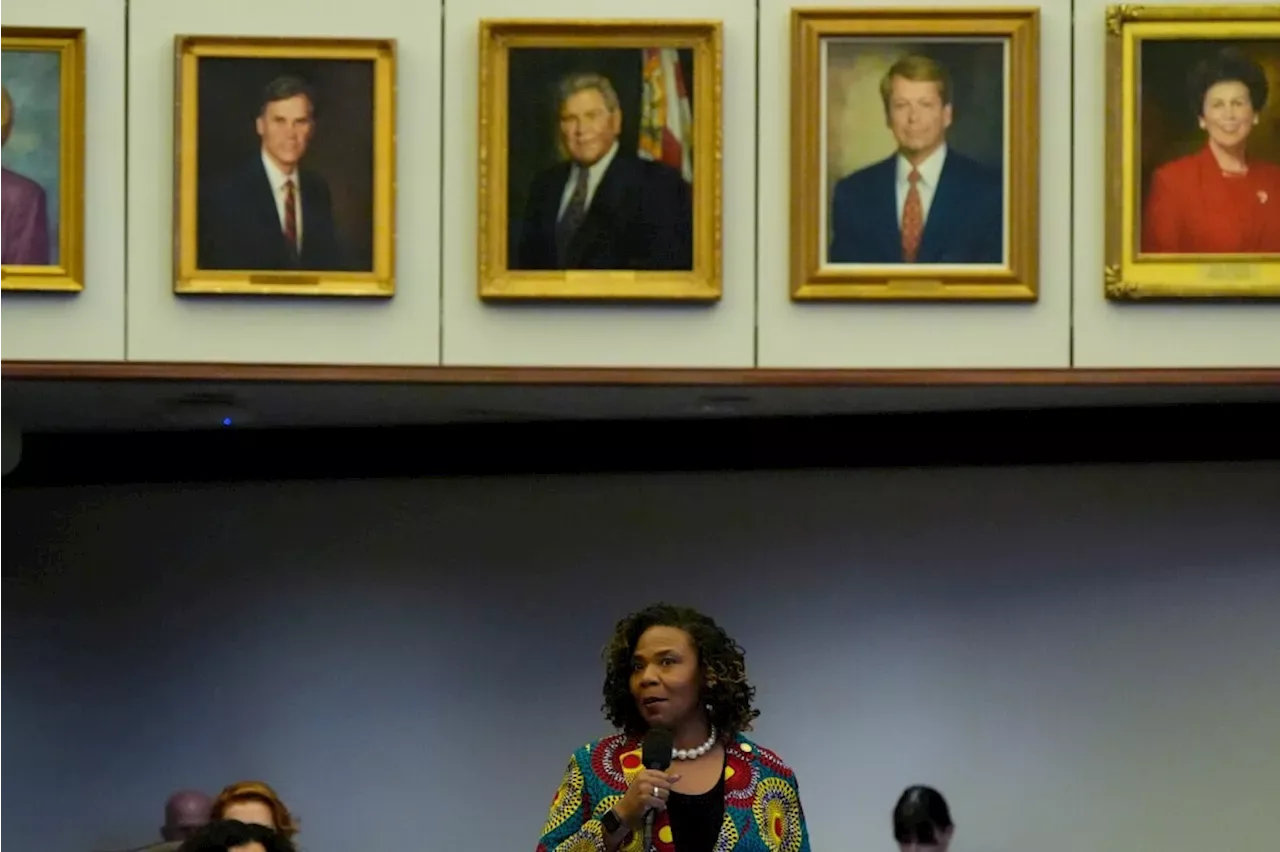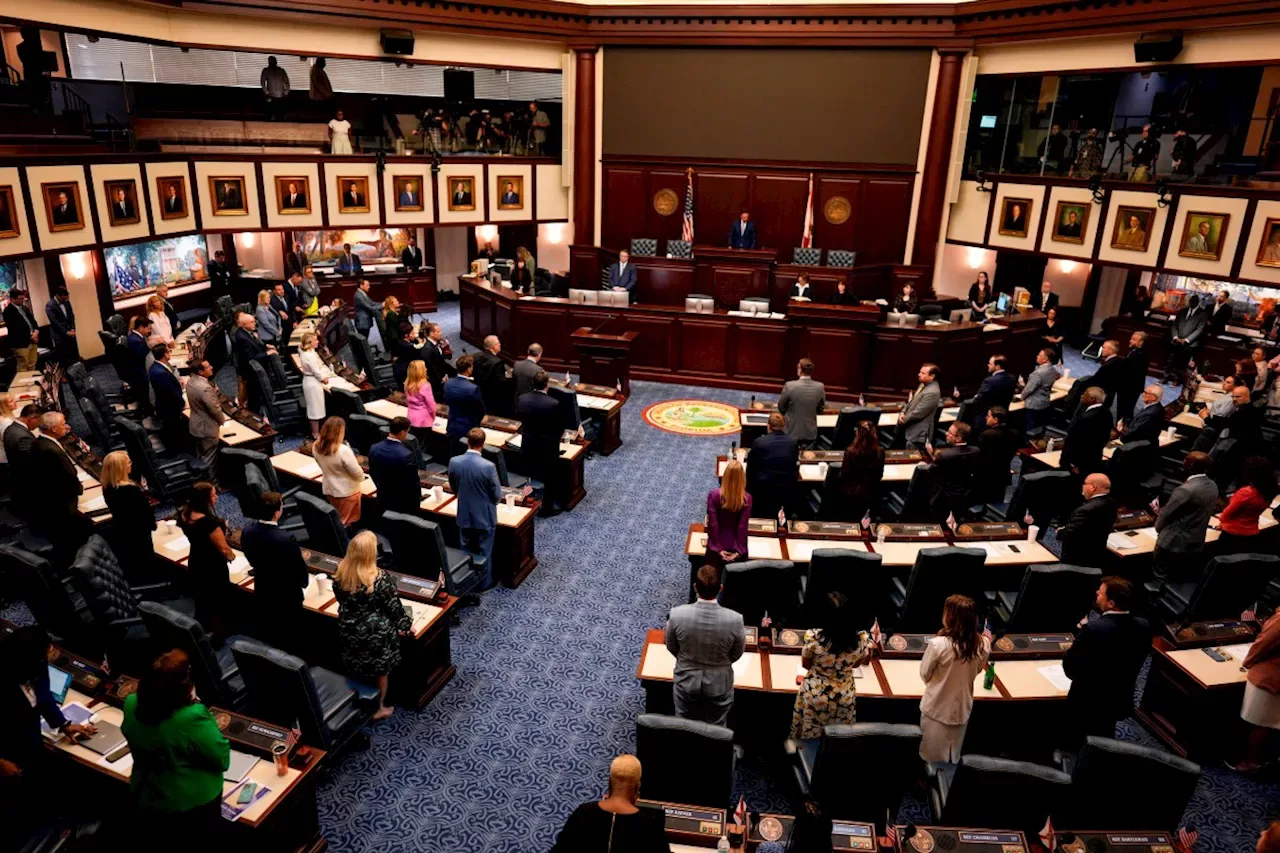
Florida has joined a small group of states redrawing congressional maps mid-decade, a departure from the traditional ten-year cycle. On April 29, 2026, the Republican-controlled Florida Legislature adopted new maps drafted by a staffer for Governor Ron DeSantis, a move that could shift four additional House seats toward Republicans out of Florida's 28 total. The state had redrawn its maps just four years earlier using the same census data.
A survey of more than 2,300 Florida registered voters conducted in April 2026 found that roughly two-thirds oppose redrawing district lines to benefit a political party. The research, led by University of Florida political scientists, measured voter sentiment on gerrymandering both in theory and in response to actual scenarios of mid-decade redistricting.

When presented with information about the redistricting efforts in different states and parties, the survey revealed stark partisan patterns. Florida Democrats showed intense opposition when the redistricting was framed as benefiting Republicans. Florida Republicans, while abstractly opposed to mid-decade redistricting, increased their support by 15 percentage points when the effort was attributed to DeSantis. Independent voters, by contrast, maintained consistent and principled opposition to partisan gerrymandering across all conditions, with support rarely exceeding 15 percent under any scenario.
The survey also tested voter responses when presented with information about Florida's Fair Districts Amendment, which voters approved in 2010 with bipartisan support exceeding 60 percent. That amendment expressly prohibits redrawing districts with intent to favor or disfavor a political party. The finding underscores a central tension in American democracy: voters reject partisan gerrymandering in principle but often tolerate it when their own party benefits.
Legal challenges are expected. Florida Democrats and other groups will likely sue under the state constitution's Fair Districts amendments. DeSantis and his legal team, however, appear prepared to defend the maps, reportedly anticipating that the Florida Supreme Court will strike down the Fair Districts amendments' ban on partisan redistricting.
The new maps carry electoral risk for Republicans. The configuration requires sustained Democratic and independent voter apathy combined with another rightward swing by independents. Midterm elections typically see lower turnout, but current economic conditions and unfavorable presidential approval ratings make a repeat of 2022's Republican surge unlikely. A 2018-style Democratic wave could potentially flip three South Florida seats and two in Central Florida to Democrats, dismantling the gerrymander entirely.