In a significant development for Republican map-drawing efforts, the Supreme Court issued a 6-3 decision that weakened the Voting Rights Act, and Florida legislators passed a new congressional map designed to expand Republican electoral advantages. The rulings represent consecutive victories for the GOP in ongoing disputes over redistricting that will likely extend well beyond the 2026 midterm elections.
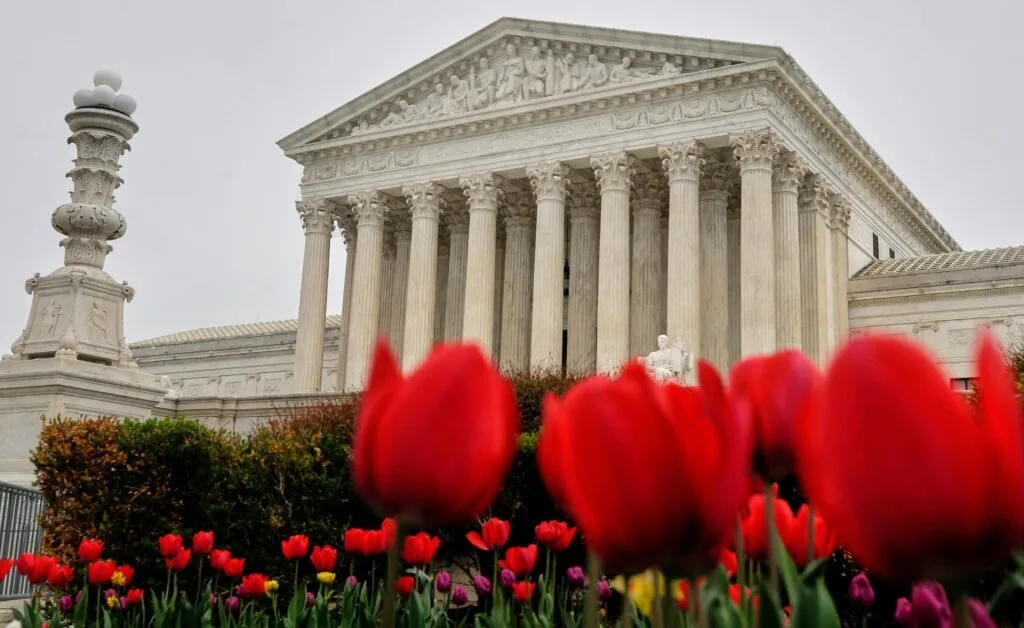
The Supreme Court's decision centered on Louisiana's congressional map. Conservative Justice Samuel Alito, writing for the majority, determined that the state's map constituted an unconstitutional racial gerrymander. The ruling instructed states that they can almost never consider race when drawing maps to comply with Section 2 of the Voting Rights Act, the provision enacted to protect minority voters facing historical discrimination in elections. Alito acknowledged that extreme situations might justify considering race in map-drawing, but said no such conditions applied to Louisiana's case.
The practical impact is immediate. Louisiana must redraw its congressional map despite its primary election occurring in just over two weeks on May 16. Other GOP-controlled southern states may attempt similar map alterations, though many face tight filing deadlines and ongoing early voting periods. The longer-term consequence could be fewer minority-majority districts across congressional, state, and local elections, potentially reducing the number of non-white elected officials.
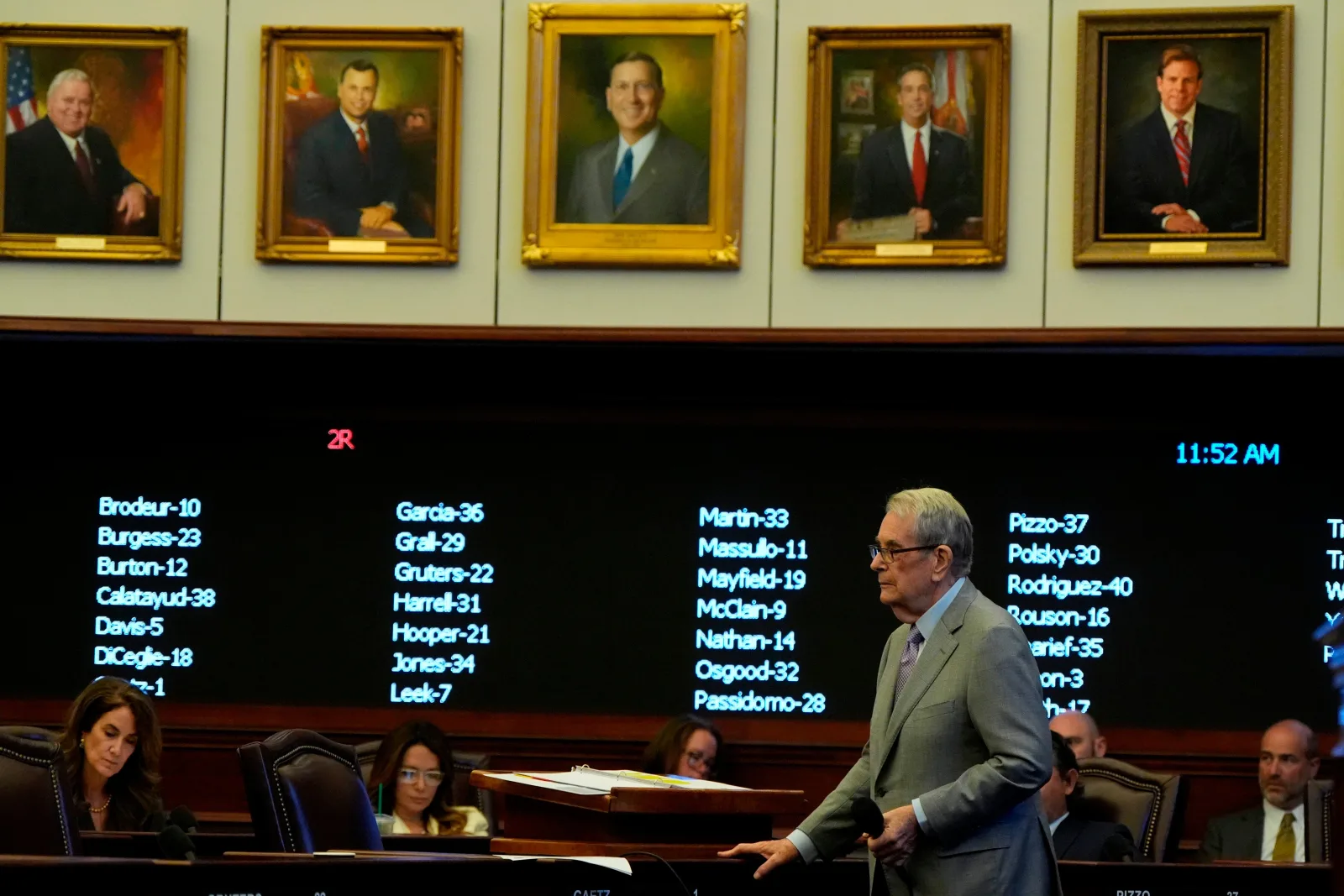
In Florida, the state legislature passed a new congressional map on largely partisan lines. The proposal creates four additional Republican-leaning seats, according to reporting from Tallahassee. Some Republican lawmakers expressed skepticism about the plan, with much opposition centered on how Governor Ron DeSantis is leveraging it to eliminate anti-gerrymandering language from the state constitution. DeSantis and Republican leaders have essentially conceded the map conflicts with current state constitutional provisions, but believe recent Supreme Court rulings will support its legal standing.
Florida is the eighth state since 2025 to enact a new congressional map in what has become an ongoing cycle of redistricting battles initiated last summer. Based on the newly drawn district lines across these states, Republicans could be positioned to gain as many as 13 seats in Congress, while Democrats could gain up to 10 seats.