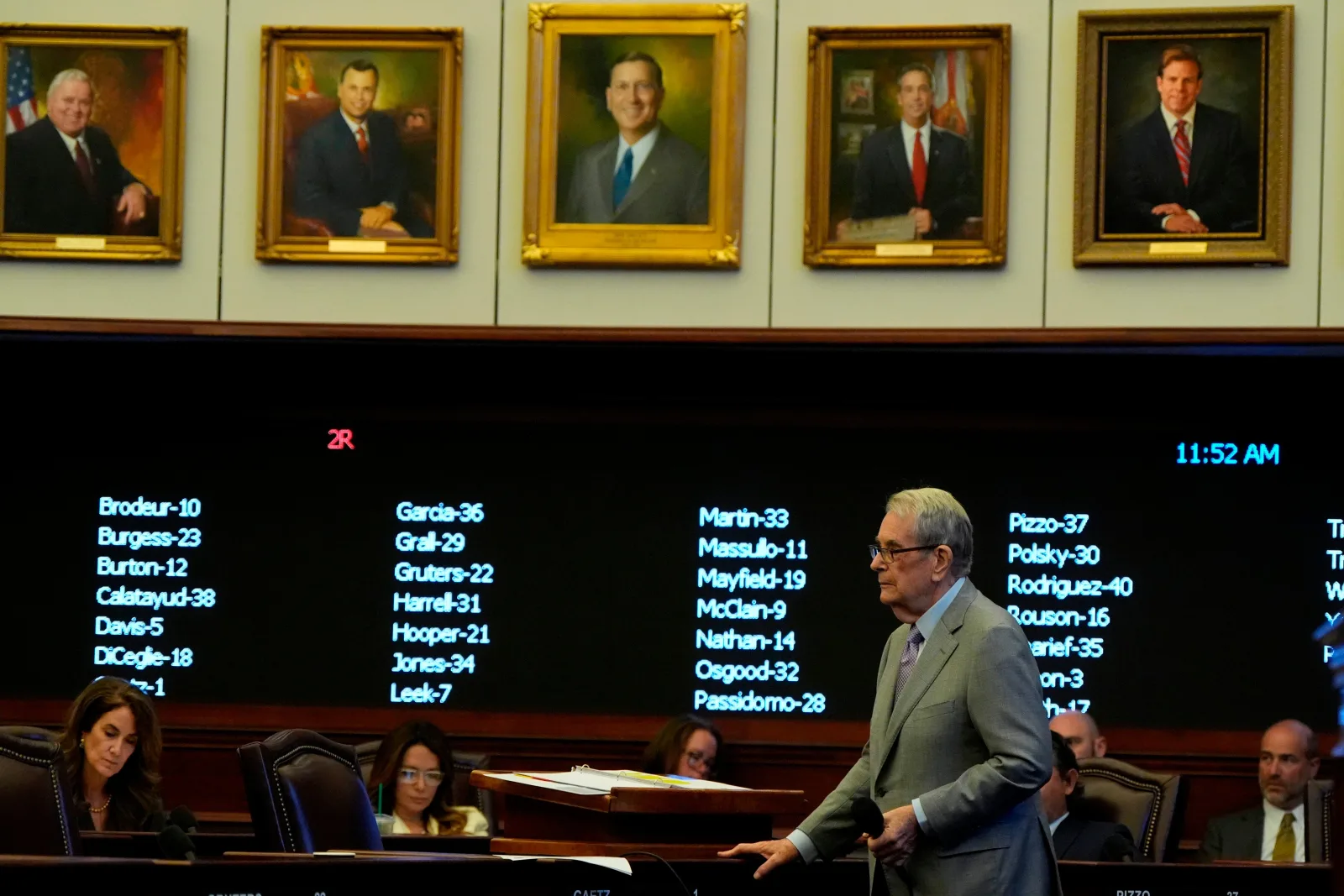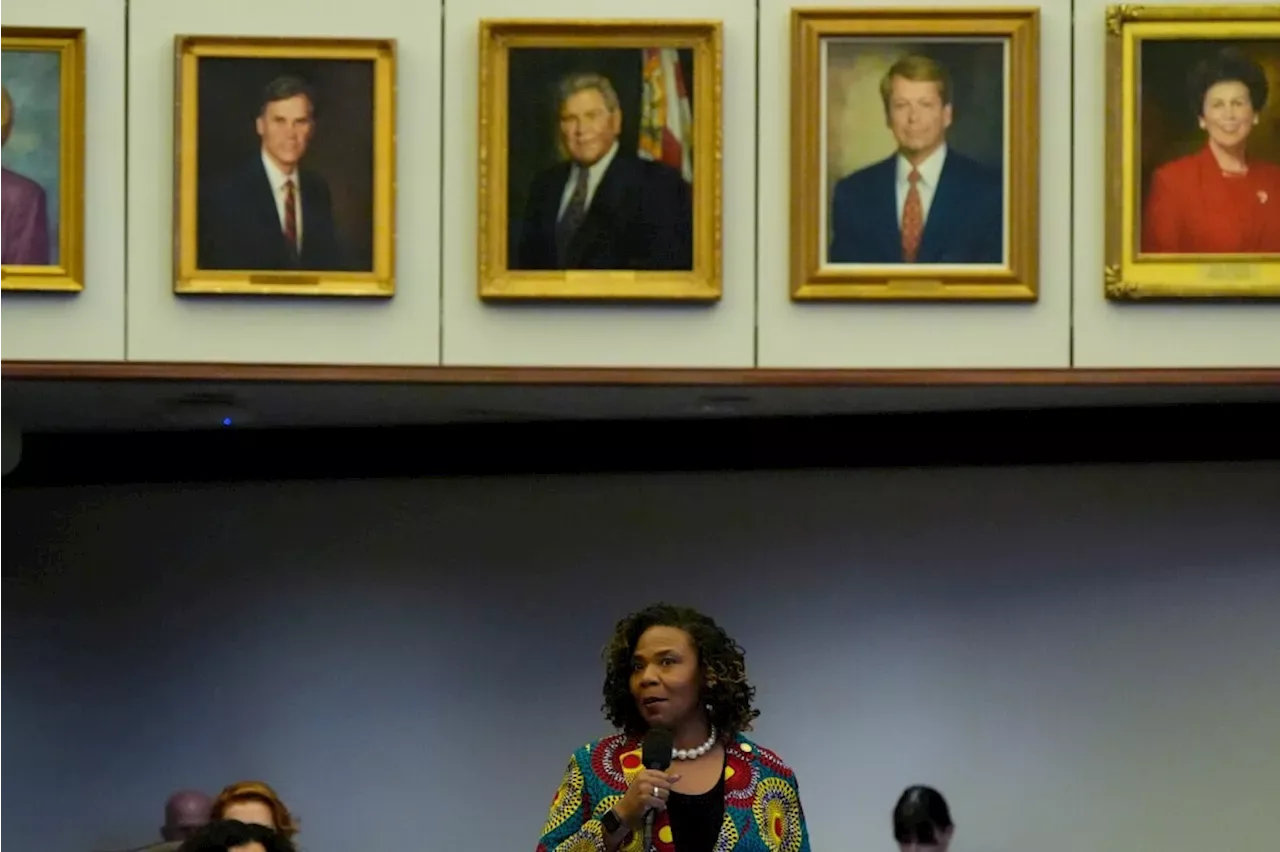
Florida Governor Ron DeSantis is preparing to sign a redrawn congressional map intended to help Republicans gain as many as four U.S. House seats in the midterm elections, a shift that would displace several Democratic incumbents. The new boundaries employ two primary gerrymandering strategies: packing and cracking. Packing concentrates like-minded voters into fewer districts to minimize their overall influence, while cracking spreads them across multiple districts to dilute their power in any single race.
Analysis from both parties identifies 24 districts where Trump won in 2024 by double-digit margins. Should Republicans capture all of these seats, they would achieve a net gain of four House seats in Florida. Democrats have labeled the redistricting effort a power grab, and legal challenges are expected despite the governor's imminent signature on the legislation.

In the Tampa Bay area, the map reshapes Pinellas and Hillsborough counties, once considered among the nation's most competitive swing regions. The new boundaries split the core metro area into three districts, all tilting Republican. Democratic Representative Kathy Castor, whose seat now absorbs more conservative rural areas, called the new design "blatantly illegal" under Florida's state constitutional ban on partisan gerrymandering. She vowed to continue advocating for Tampa Bay residents regardless of district configuration. Republican Representative Anna Paulina Luna, a top Democratic target, gained Republican-leaning precincts, though Democrats in Washington believe the seat remains winnable given national political headwinds.
Around Orlando, the redistricting separates Democratic Representatives Darren Soto and Maxwell Frost. The new map consolidates the Democratic-leaning Orlando metro core into a single district while pairing other parts of the region with sprawling, more Republican territory. Frost criticized the design for combining urban voters with residents living two hours away, describing it as an effort to "dilute the impact of voters in Orange County." He further contended that the changes targeted Florida's 1.3 million Puerto Rican residents, calling it a declaration of war against the community.
In South Florida, the redistricting significantly alters Democratic districts across Palm Beach and Broward counties. The map creates one concentrated Democratic district in Miami-Dade while scrambling the territories of Representatives Lois Frankel and Jared Moskowitz, with Moskowitz facing a more difficult path to reelection as his current district is divided across three new districts. Representative Debbie Wasserman-Schultz, a former Democratic National Committee chairwoman, must decide whether to run in a new heavily Democratic Broward district where she no longer lives or pursue one of the more Republican options.
A heavily Black South Florida district previously represented by Sheila Cherfilus-McCormick before her recent resignation has been reconfigured, with DeSantis describing it as an egregious race-based gerrymander due to its inland core and arms stretching toward coastal Democratic areas. In a possible bright spot for Democrats nationally, Republican Representatives María Elvira Salazar and Carlos Giménez did not substantially benefit from the changes, leaving them as continued targets for Democratic challengers in the midterms.