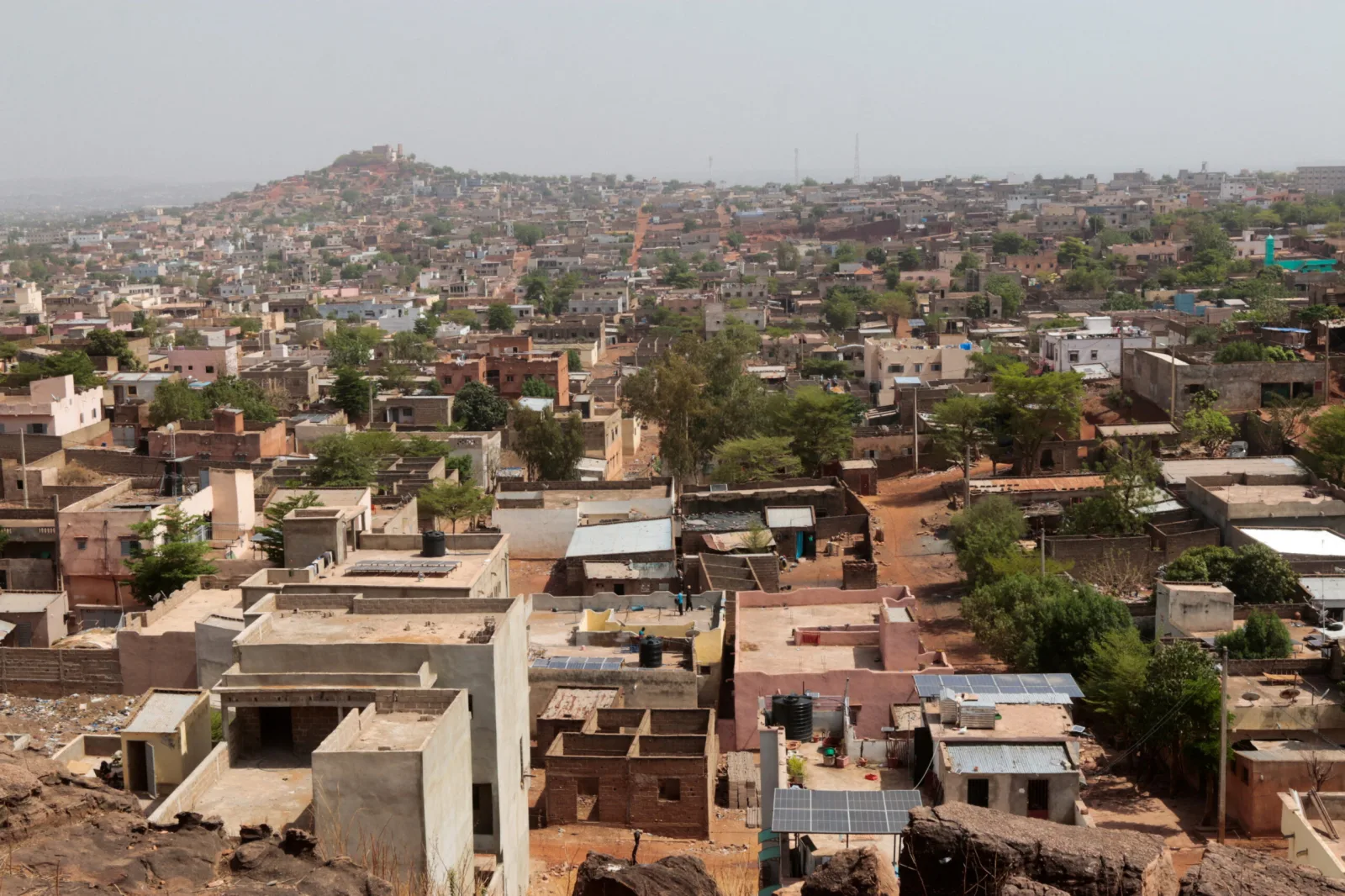
Mali's security landscape has deteriorated sharply following a large-scale coordinated offensive on April 25 that struck multiple cities across the country. The assault, orchestrated primarily by Jama'at Nusrat al-Islam wal-Muslimin (JNIM)—an al-Qaeda affiliate led by Iyad Ag Ghali—dealt severe blows to the ruling military junta that seized power in 2020. General Sadio Camara, the junta's defense minister and architect of Mali's strategic turn toward Russia, was killed in the attacks. The junta's head of state security, General Modibo Koné, was seriously wounded. The offensive marked a watershed moment for JNIM, which has battled the Malian state for nearly a decade, and exposed the fragility of the junta's grip on power.
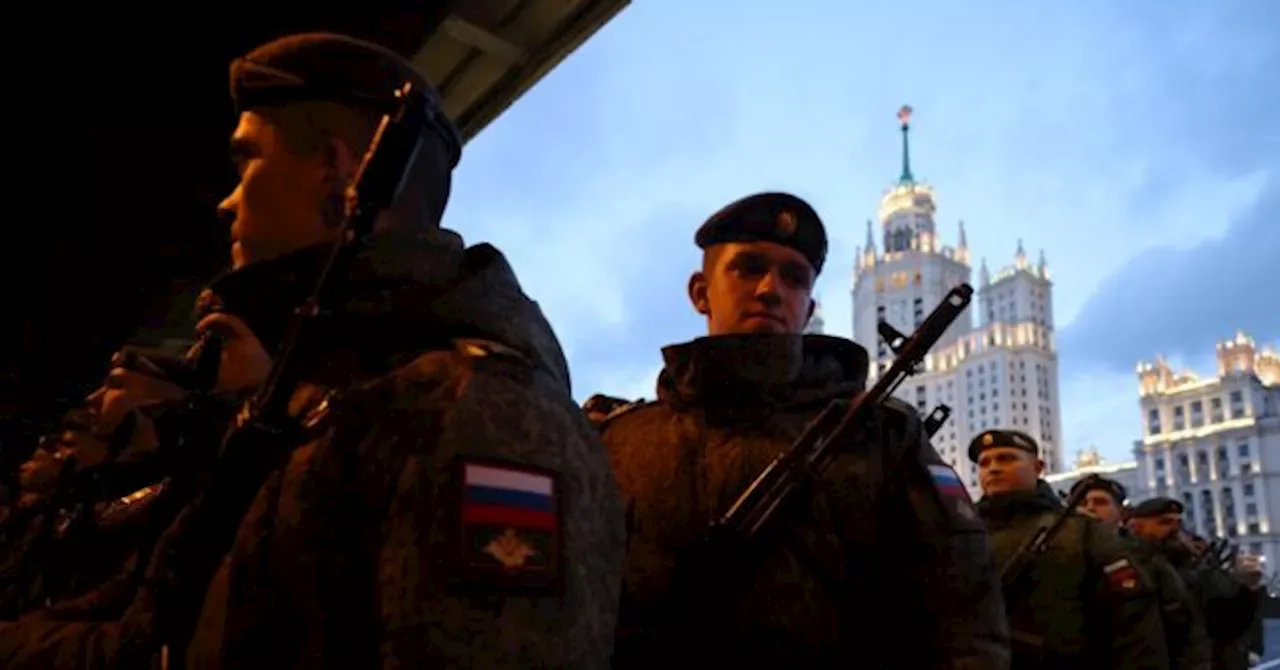
The assault was amplified by an unexpected alliance between JNIM and the Azawad Liberation Front (FLA), a Tuareg separatist organization that has historically competed for influence in Mali's north. The combined offensive targeted Kidal, a strategically vital city near the borders of Algeria and Niger that had been held by the national army with support from Russian mercenaries. On April 27, the Russian expeditionary force known as Africa Corps negotiated its withdrawal from Kidal, leaving behind sophisticated military equipment. Control of Kidal carries immense symbolic weight as a Tuareg stronghold central to the FLA's territorial claims, and its loss represents a major shift in the regional power balance.

The junta's position has become increasingly untenable. Military positions have been abandoned, garrisons are surrounded, and on April 28, JNIM announced a blockade of Bamako, Mali's capital. The prospect of state collapse now looms over a nation spanning over a million square kilometers. This rapid deterioration reflects accumulated structural failures: the 2020 and 2021 coups disrupted the military chain of command, Russian mercenaries intensified civilian abuses that fueled insurgent recruitment, and internal repression has fractured national unity. Armed groups have consolidated territorial control and developed parallel economies based on trafficking networks. When the April 25 offensive commenced, insurgents faced demoralized Malian forces.
The junta has compounded these vulnerabilities through a series of strategic missteps. It dismantled the United Nations peacekeeping mission, which withdrew in December 2023. In January 2024, it unilaterally broke the 2015 Algiers Agreement, a peace accord with Tuareg separatists. It withdrew from the Economic Community of West African States in January 2025. Most recently, the junta reversed Mali's position on Western Sahara to align with Morocco, angering neighboring Algeria and triggering diplomatic ruptures including ambassador recalls and public accusations of hostility. The junta has accused Algeria of shooting down one of its surveillance drones, further escalating tensions across the long Mali-Algeria border.
Algeria, which shares a border spanning over 1,300 kilometers with Mali, now positions itself as a potential mediator. The Algerian government has condemned terrorism while advocating for inclusive dialogue that preserves Mali's territorial integrity—a stance reflecting its dual interest in preventing both jihadist state formation and Tuareg separatist partition. Algeria's regional influence, diminished since 2023, may be strengthened by the junta's current vulnerabilities.
Political alternatives to escalating violence remain available. Imam Mahmoud Dicko, a prominent opposition figure now in exile in Algiers since December 2023, has called for inclusive dialogue with the junta stepping aside. Widely respected across multiple stakeholder groups, Dicko represents a credible alternative to the military's current trajectory, though the junta has accused him of subversive activities from abroad and threatened arrest should he return. His advocacy for dialogue with jihadist groups and opposition to the junta's constitutional and electoral record distinguish his approach from the military's priority on forceful responses. The consequences of Mali's trajectory will reverberate across West Africa, with widespread instability threatening the entire region's security architecture.