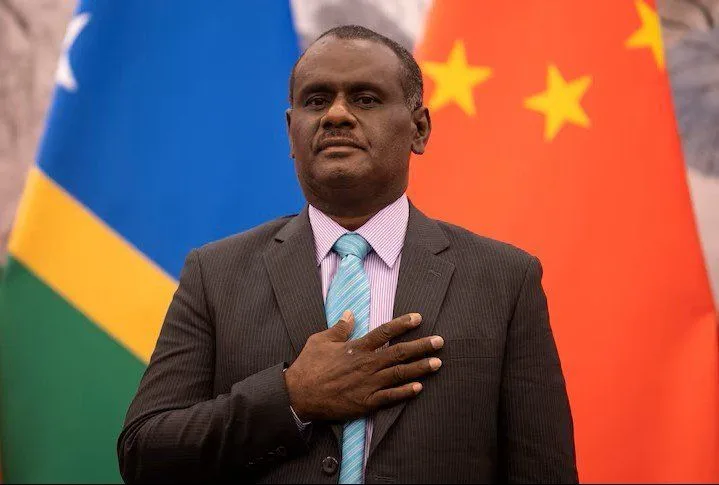
The Solomon Islands Court of Appeal dismissed the government's appeal on Friday, forcing Prime Minister Jeremiah Manele to convene parliament and submit to a leadership vote. The three-judge panel upheld a ruling from Chief Justice Sir Albert Palmer issued last month, effectively overturning the Prime Minister's refusal to recall the legislature following defections from his coalition in March.
Manele said he would comply with the court's order. "The Prime Minister looks forward to the motion of no confidence being debated on the floor of parliament when it sits," a statement from his office read. The Prime Minister was ordered to take necessary steps to call parliament by May 7. The decision came amid a heightened police presence in Honiara, the capital.

Chief Justice Palmer ruled that Manele was under a "constitutional duty" to bring a motion of no confidence before parliament at the earliest opportunity, and that his refusal to do so was "unlawful." The ruling effectively empowers the speaker to ensure the motion receives immediate priority once parliament convenes.
The political crisis began when government MPs and ministers abandoned Manele's coalition. Opposition parties claim to command the support of up to 28 of the 50-seat parliament, sufficient to remove the Prime Minister through a confidence vote. However, Manele had resisted calling such a vote, and the Governor-General also refused to legally recall parliament, prolonging the impasse.
Opposition lawyer Gabriel Suri welcomed the decision outside court, noting the appeal judges' confirmation that parliament must be summoned. Attorney General John Muria accepted the ruling, saying he would review the full judgment before advising the Prime Minister on next steps. Muria had previously characterized opposition efforts to challenge the government in court as a "futile exercise" and sought to have the case dismissed.
The opposition has also alleged that government lobbyists attempted to retain power by offering rival MPs substantial payments to maintain their support. The verdict brings the Solomon Islands closer to political resolution after weeks of legal maneuvering and constitutional dispute. The nation's governments have historically been marked by unstable parliamentary coalitions and frequent leadership transitions.