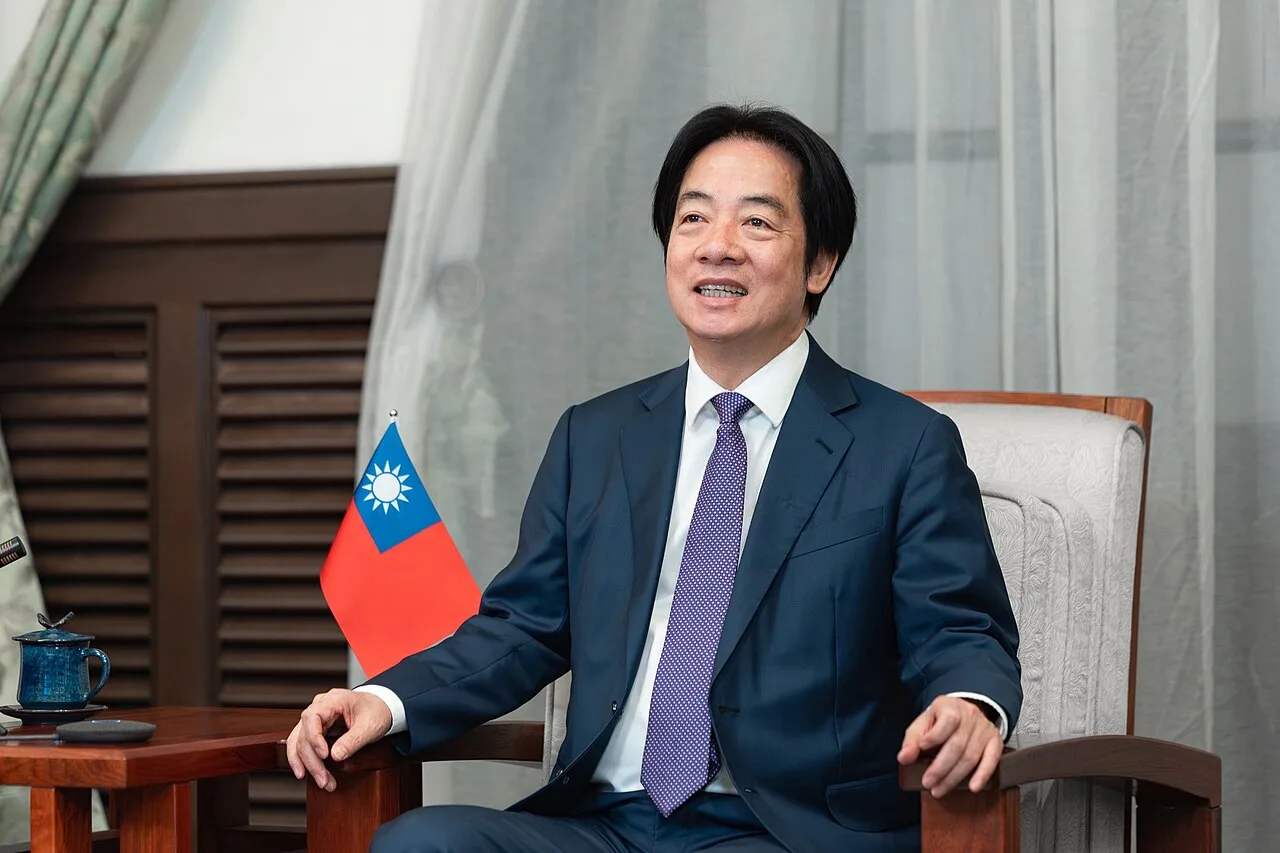
Taiwan President Lai Ching-te traveled to Eswatini to reaffirm the island's right to engage internationally, directly challenging China's opposition to Taiwan's diplomatic activities. During meetings with King Mswati III, Lai stated that Taiwan operates as a sovereign nation with the freedom to build global relationships, regardless of Beijing's objections. China claims Taiwan as part of its territory and actively opposes official state-to-state interactions between Taipei and other countries, a position Taiwan's government firmly rejects.
Lai's visit to Eswatini—one of only 12 nations maintaining formal diplomatic ties with Taiwan—underscores Taipei's efforts to strengthen international partnerships in the face of diplomatic isolation. The trip was executed using an unconventional approach: Taiwan officials reported that China had previously attempted to block Lai's travel by pressuring Indian Ocean nations to deny overflight access to his aircraft. To circumvent this obstruction, Lai traveled on an Eswatini government plane and kept the visit unannounced until his arrival, a diplomatic strategy designed to avoid interference and ensure security.

During his remarks, Lai emphasized that Taiwan's 23 million citizens deserve recognition in the global community and stressed that no country has authority to prevent Taiwan from participating in international affairs. Taiwan's Mainland Affairs Council responded to Chinese criticism by asserting that Lai requires no approval from Beijing to travel. China's Taiwan Affairs Office condemned the visit using forceful language and accused Lai of acting improperly.
The episode reflects deepening geopolitical tensions between Beijing and Taipei. The United States and several European nations have previously expressed concern over China's attempts to restrict Taiwan's diplomatic movements. Taiwan has signaled it will continue promoting its sovereignty and international engagement despite external pressure, maintaining its resolve to preserve its global presence and influence.