

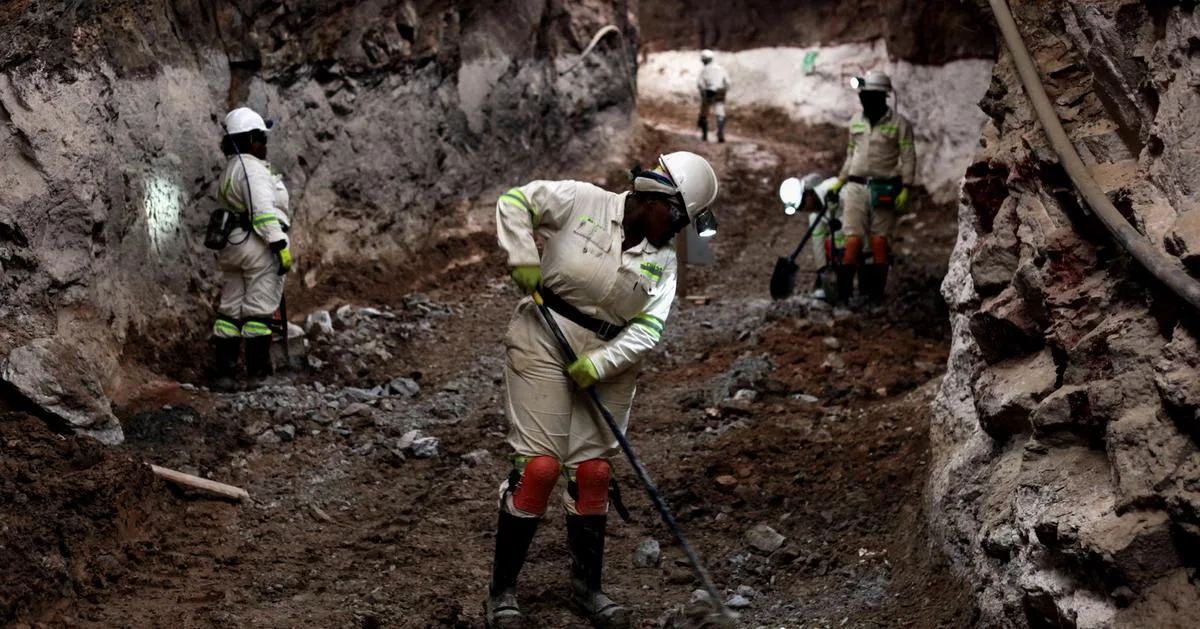
China’s reliance on Africa for essential raw materials is deepening, altering the long-standing trade dynamic between the two regions. Africa supplies over 80% of China’s chromium and manganese imports, with Guinea providing about one-third of its bauxite, while copper exports from the Democratic Republic of Congo and Zambia continue to rise. These minerals are vital components in electric vehicles, batteries, and clean energy technologies that form the backbone of China’s industrial ambitions.
This growing dependence has enhanced Africa’s bargaining power, enabling some countries to push for greater value addition domestically. Zimbabwe’s recent restrictions on raw lithium exports have encouraged Chinese investors to establish local processing facilities, exemplifying how African nations can leverage their resources to attract manufacturing investments rather than exporting only raw commodities.

However, this shift occurs as Chinese infrastructure lending to Africa steeply declines. Once surpassing World Bank commitments at the height of the Belt and Road Initiative, new loans from China have dropped below $5 billion annually. Meanwhile, African nations are repaying Chinese creditors more than they receive in fresh funds, making China the only major creditor with net negative capital flows to the continent.
This financial reality tightens public budgets across Africa, with countries projected to allocate a significant portion of revenue to debt servicing between 2026 and 2030. Some countries face particularly high debt burdens—Angola may devote over 40% of its public revenue to repayments, while Senegal and Djibouti exceed 25%. This growing fiscal pressure limits the room Africa has to invest in sustainable industrial policies.
The emerging fault line in China-Africa relations centers on balancing increased leverage from critical mineral exports against shrinking fiscal capacity. The countries best positioned to move up the value chain are those that can attract processing and manufacturing investments without succumbing to debilitating debt. Successfully navigating this balance could reshape Africa’s role in global supply chains beyond that of merely raw material suppliers.