

Canada formally requested the United States and Mexico to renew the United States-Mexico-Canada Agreement (USMCA) for an additional 16 years ahead of the planned mid-year review. This move highlights Canada’s commitment to stabilizing the integrated North American economy amid rising political tensions and uncertainties surrounding the pact.
The renewal proposal arrived through a letter from Canada’s trade minister to his U.S. and Mexican counterparts, emphasizing the substantial benefits the agreement delivers to all three nations. The letter signals Canada’s intent to maintain a long-term framework that supports cross-border trade despite challenges posed by shifting U.S. trade policies.

Amid these negotiations, tensions escalated when former U.S. President Donald Trump ignited controversy by suggesting on social media that Canada should be the “51st State,” a comment that triggered sharp rebukes from Canadian officials. Ontario’s Premier explicitly rejected the notion, and a wave of Canadian travelers reportedly canceled trips to the U.S. in protest. The U.S. Ambassador also amplified the provocative message, adding to frictions between the neighboring countries.
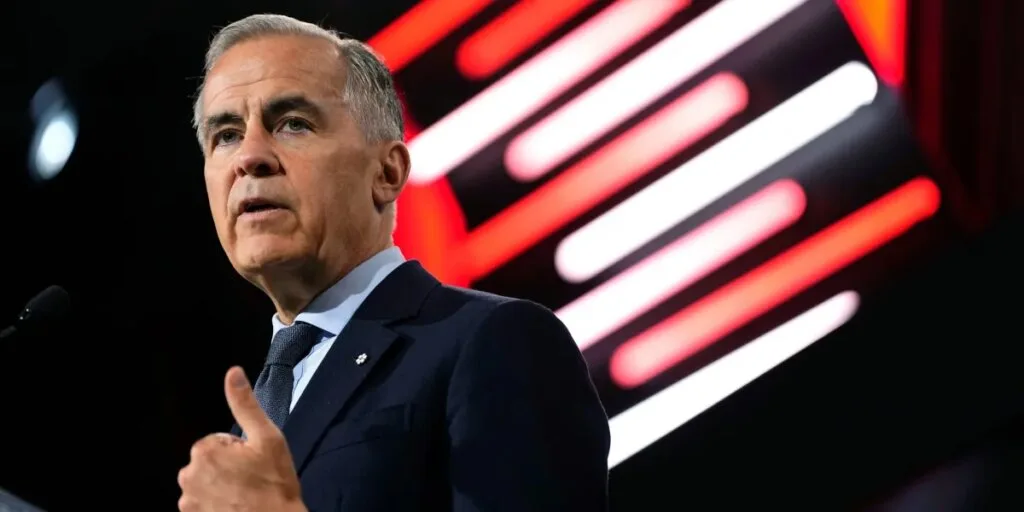
Canada’s Prime Minister acknowledged signs of economic weakness but pointed out that the United States currently has fewer trade irritants with Canada than Mexico. This relative advantage underscores the importance for Canada of securing a stable, long-term trade agreement. He also referenced the potential for a renewed and possibly expanded partnership as part of the USMCA’s future.
The USMCA has largely shielded Canada and Mexico from certain U.S. protectionist policies, yet specific tariffs, such as those on aluminum, continue to challenge economic integration in the region. The agreement allows for various review mechanisms, including potentially annual assessments, and the U.S. has the option to withdraw with six months’ notice.
Canada’s trade minister and chief negotiator recently met with U.S. trade officials in Washington to discuss the future of the agreement. They have expressed concern that the Trump administration might seek to introduce uncertainty into the pact through frequent reviews or other measures.