

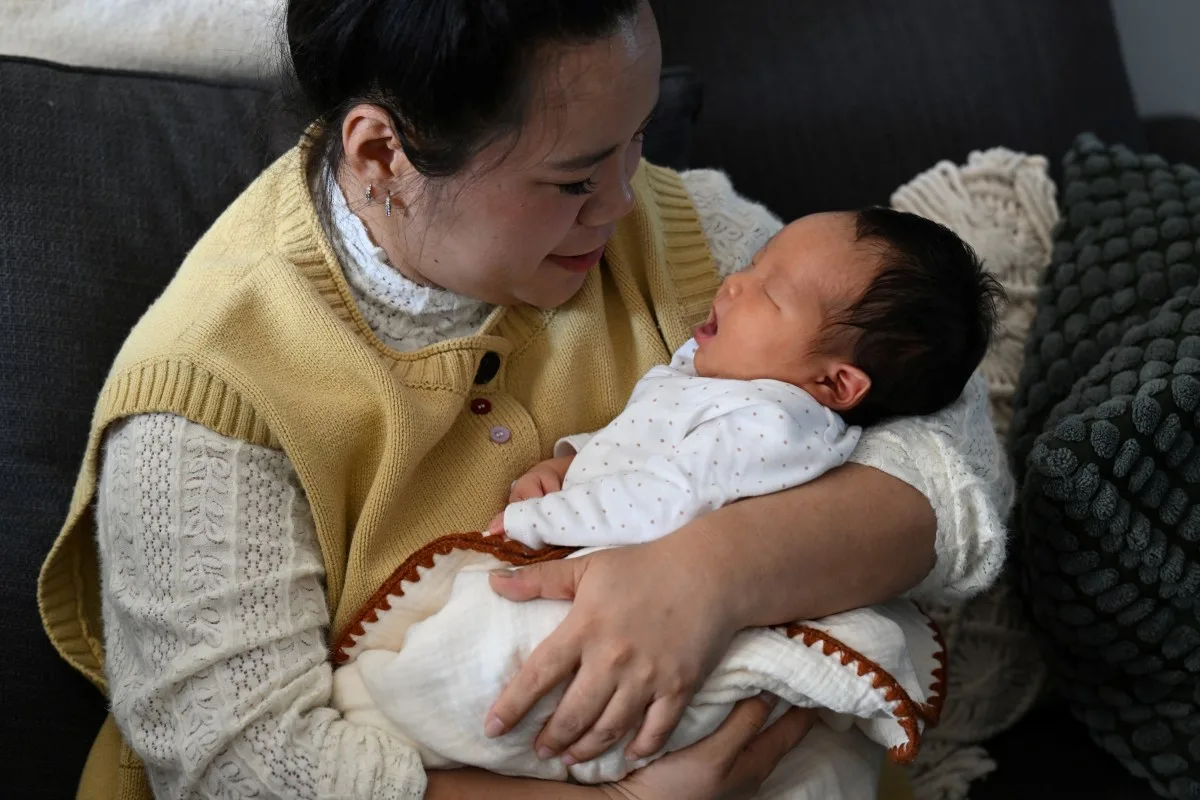
China is stepping up its financial support for childcare by expanding subsidies to local governments, aiming to counter a historic drop in its birth rate. The Ministry of Finance announced a significant increase in budget allocation for early childhood care programs, raising the total funding to approximately 110 billion yuan ($15.3 billion).
This funding surge represents a more than 10 percent rise compared to last year, with 99.9 billion yuan earmarked specifically for local initiatives. Officials reported that subsidy distribution has been proceeding "smoothly and orderly," reflecting Beijing’s commitment to bolster family support in the face of demographic challenges.

Despite abandoning the one-child policy several years ago and implementing various pronatalist measures, China’s fertility rate continues to fall sharply. Recent estimates suggest the fertility rate dropped to about 0.97 births per woman in 2025, marking one of the lowest levels globally and falling well below the replacement rate of 2.1 births per woman needed to maintain population levels.
This demographic decline raises alarms for policymakers concerned about the long-term effects on China’s workforce and economic growth, as a shrinking population coincides with rapid aging. More than two-thirds of the global population now lives in countries with fertility rates under replacement levels, placing China among the most affected.