

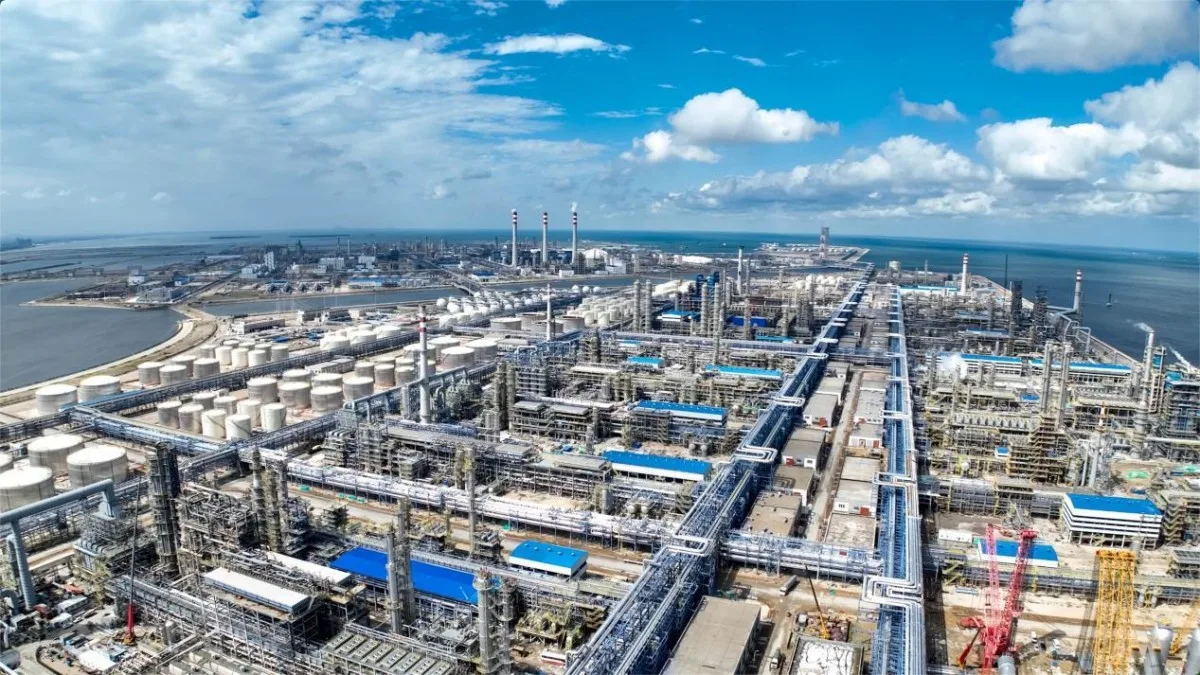
China has relaxed its stringent production requirements for independent refiners known as teapots, permitting them to lower fuel output to a minimum of 80% of last year’s monthly average. This move comes as China’s crude and fuel inventories remain ample despite global supply disruptions caused by the Iran conflict.
Initially, Chinese officials had demanded these private refiners maintain high run rates regardless of losses to ensure steady gasoline and diesel supplies amid international shipping challenges. Refiners faced threats of crude import quota cuts if they reduced operations. However, financial pressures and sustained inventory surpluses have shifted the government’s stance.

The directive to ease output applies to some loss-making private refiners starting in June, according to trade sources and energy consultancies. These companies had petitioned the government for relief after elevated crude prices increased input costs and eroded profit margins. Amid reduced exports and lower domestic gasoline consumption, pressure on continuous high production has eased.
China’s gasoline and diesel exports, although curbed recently, remain sufficient while local fuel consumption has dropped following the spike in oil prices and the acceleration of electric vehicle adoption. Higher gasoline prices have discouraged driving traditional combustion-engine vehicles, especially in urban areas where electric alternatives offer more convenience and cost savings.