

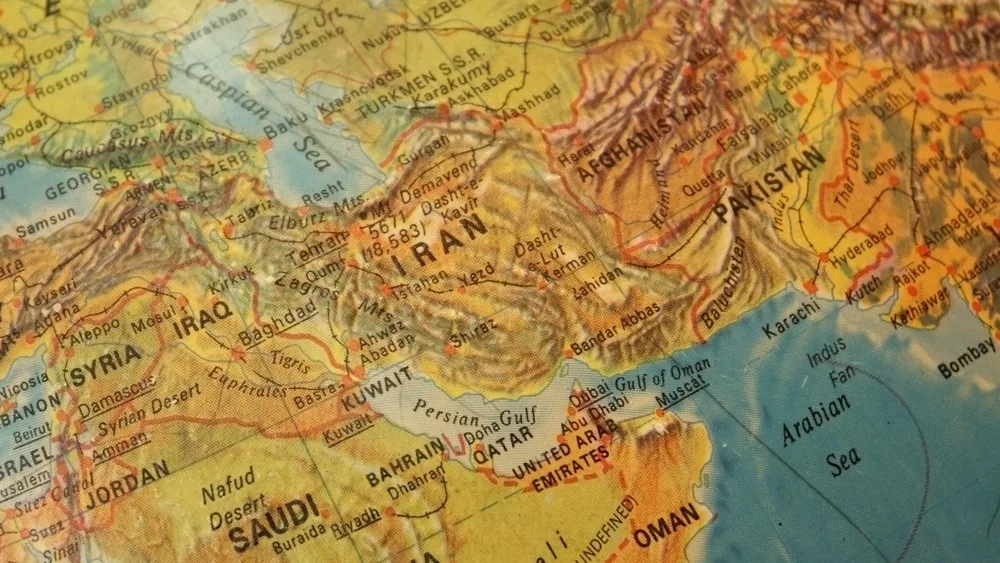
The European Union has outlined a conditional pathway for sanctions relief on Iran, emphasizing that any temporary agreement with the United States must be followed by comprehensive discussions on Iran’s nuclear program, missile capabilities, and regional security concerns. This strategic stance aims to transform a fragile cease-fire into a durable peace framework.
EU foreign policy chief Kaja Kallas, speaking alongside Pakistani officials in Islamabad, highlighted the bloc’s readiness to employ maritime operations and economic incentives to foster long-term stability in the Gulf region. She credited Pakistan’s mediation efforts in facilitating dialogue between Tehran and Washington, underscoring the potential for a “calibrated path” toward easing sanctions, contingent on Iran’s compliance with strict conditions.

The diplomatic opening comes after recent air strikes by the US and Israel against Iranian targets, reflecting escalating tensions over Tehran’s nuclear ambitions. The Strait of Hormuz, a critical maritime chokepoint through which nearly one-fifth of the world’s oil passes, has seen significant disruptions amid the conflict. These disruptions have contributed to rising global oil prices, raising concerns about inflation and supply chain shocks worldwide.
Pakistan continues to play a crucial role as intermediary, managing a draft cease-fire agreement between the US and Iran. US President Donald Trump recently reaffirmed the focus on preventing Iran from acquiring nuclear weapons, a core sticking point in negotiations. The EU’s involvement, both diplomatically and operationally, indicates growing international support for a comprehensive approach that balances sanctions relief with stringent oversight of Iran’s nuclear activities and regional behavior.