

Hezbollah has openly rejected the cease-fire agreement recently brokered between Israel and Lebanon under U.S. mediation, maintaining that it does not meet the group's demands for a full Israeli withdrawal. The Iran-backed militant organization dismissed the deal as insufficient, insisting that resistance will persist as long as Israel’s military presence remains in southern Lebanon.
The cease-fire pact required Hezbollah to halt all hostile actions and withdraw fighters from parts of southern Lebanon, but the group's deputy leader, Naim Qassem, condemned these conditions as serving Israel’s strategic objectives. The agreement itself did not explicitly mandate Israeli forces to withdraw, which Hezbollah views as a critical shortfall.

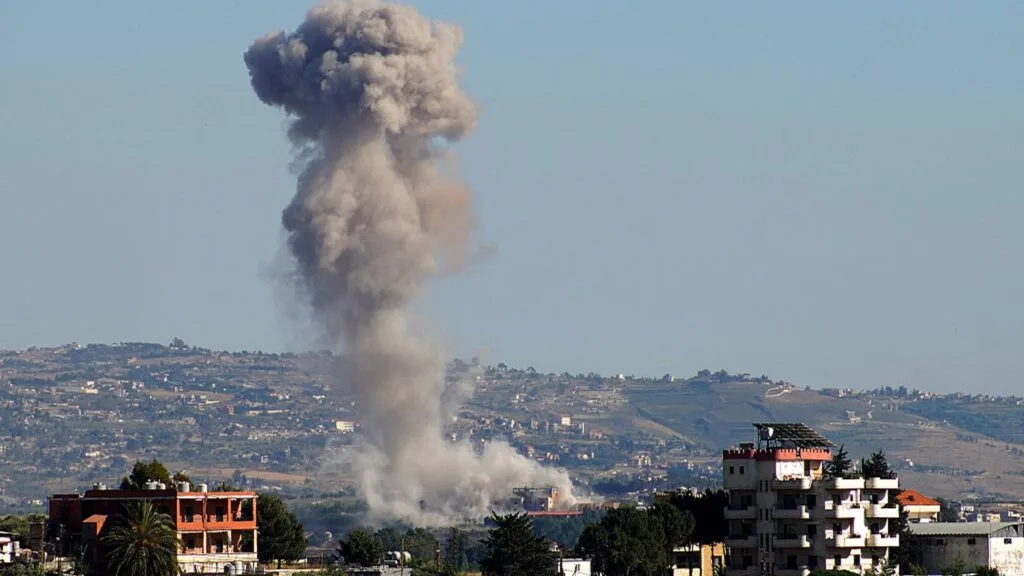
Despite the cease-fire announcement, exchanges of rocket fire and airstrikes persisted. Hezbollah launched two rocket attacks against Israeli troops near the Lebanese town of Qantara, targeting military vehicles and personnel. Meanwhile, the Israel Defense Forces (IDF) continued airstrikes on Hezbollah positions across southern Lebanon, cautioning local residents to avoid areas south of the Zahrani River due to ongoing military operations.
Israel’s Defense Minister emphasized that Israeli forces would maintain their presence in southern Lebanon and continue military activity in the so-called security zone, reiterating that the local population would not return under current circumstances. The minister's statement signaled no immediate plans to de-escalate, despite the cease-fire proposal.
These developments complicate broader U.S.-Iran negotiations aimed at stabilizing the region. Tehran has insisted that any cease-fire must include an end to Israeli strikes on Lebanese soil. Recent stalled talks reportedly stem from Iran’s strong opposition to Israel’s intention to target Hezbollah strongholds, prompting U.S. interventions to dissuade such attacks. A direct communication between Israel’s leadership and the U.S. played a key role in halting an imminent Israeli offensive against Hezbollah positions.
With hostilities ongoing since the conflict reignited in March, the failure to secure a lasting cease-fire between Israel and Hezbollah signals continued volatility in southern Lebanon and the surrounding region, hindering diplomatic efforts to achieve broader peace.