

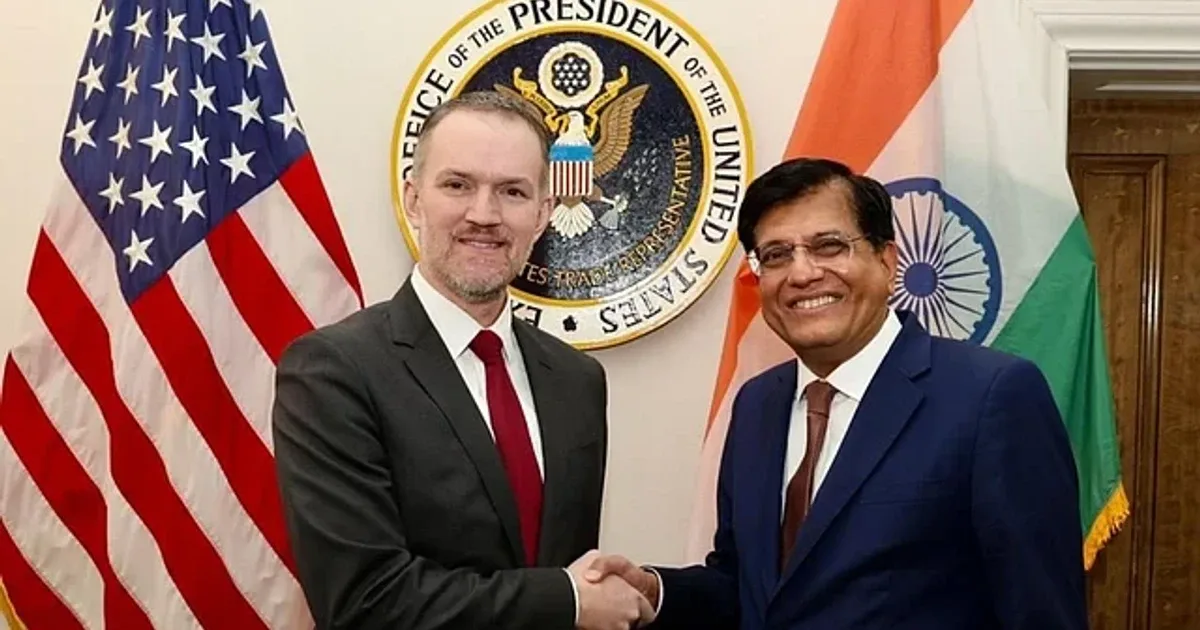
India has held back from signing an interim trade deal with the United States following recent high-level talks, insisting on more favorable terms before committing. Despite months of negotiations aimed at reducing tariffs and expanding market access, New Delhi remains focused on securing a comparative advantage for its exporters and safeguarding sensitive agricultural sectors.
The recent visit by U.S. Trade Representative Jamieson Greer to India aimed to finalize an interim pact ahead of the expiration of a temporary 10% U.S. tariff on Indian goods. However, discussions failed to bridge gaps on critical issues such as tariff reductions and assurances against the imposition of new U.S. levies. India’s government considers any agreement that compromises on agriculture or does not provide a clear competitive edge over other countries, especially China, unacceptable.

India’s commerce and industry minister emphasized that the country will neither sign nor implement a deal without securing these advantages. Protecting agriculture and dairy sectors remains a top priority due to strong domestic opposition. The sensitivity surrounding farm market access stems from fears of increased U.S. competition, a concern voiced by powerful Indian agricultural groups. This makes agricultural policy a key sticking point in the ongoing negotiation.
This stalemate reflects India’s broader negotiating strategy to avoid a hasty deal. New Delhi’s position is that securing substantive benefits outweighs the cost of delaying any agreement, even under the pressure of impending tariff deadlines. The current U.S. tariff is set to expire soon, but there is concern in India that Washington might introduce even steeper tariffs after investigating trade practices related to industrial capacity and labor issues.
The U.S. and India previously agreed on a framework for reciprocal trade benefits earlier this year, building on bilateral talks initiated in 2025. The latest round of talks between Greer and Indian officials covered this framework and sought to lay the groundwork for a more comprehensive bilateral trade agreement. Still, significant differences remain, with New Delhi prepared to use market access as a bargaining chip rather than a concession.
A senior U.S. official expressed optimism about eventually reaching an agreement but did not provide a timeline. With India signaling it can afford to wait, the United States faces reduced leverage to press for rapid concessions, indicating a prolonged period of negotiation ahead.