

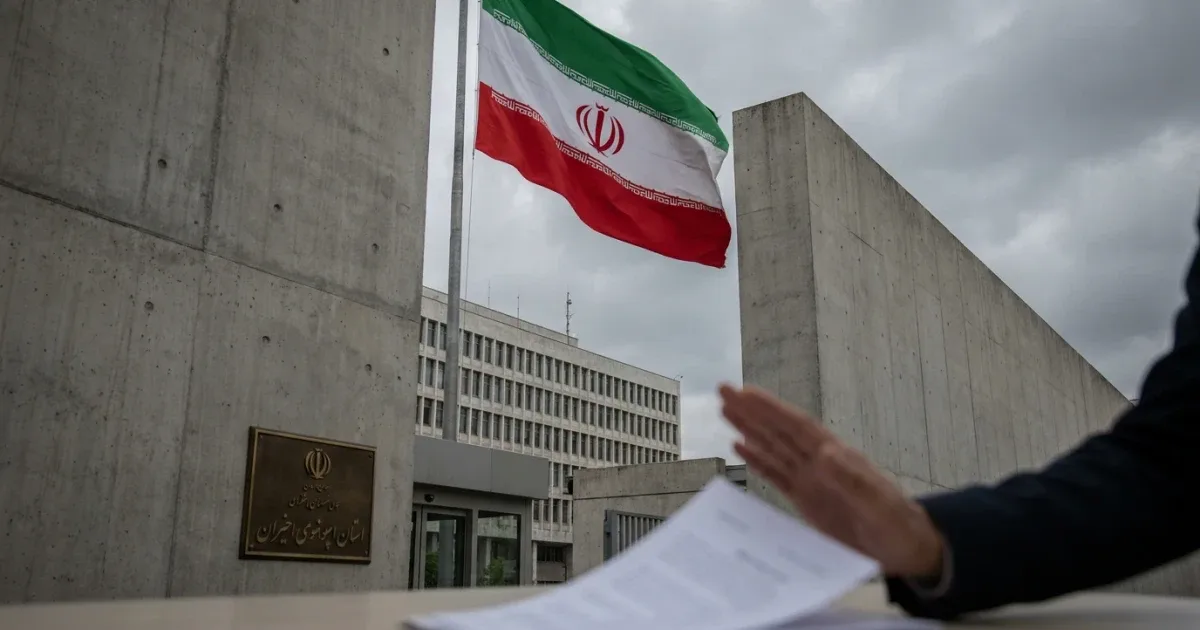
Iran has made it clear that it will not enter into any new negotiations or agreements with the United States unless its national rights and interests are fully guaranteed. This position was reaffirmed by Iran’s Parliament Speaker Mohammad Bagher Ghalibaf, who emphasized that Iran’s prior experience with US agreements, marked by perceived non-compliance, has led to profound skepticism toward Washington’s intentions.
The longstanding distrust between the two nations has been exacerbated by tougher US policies under recent administrations. Reports indicate that the US has imposed stricter conditions on any possible deal, particularly regarding Iran’s nuclear program and military capabilities. Iranian negotiators continue to publicly reject these terms, insisting on respect for their sovereign rights and a lifting of international sanctions as prerequisites for progress.

At the heart of the deadlock are stark disagreements over Iran’s nuclear activities. While Iran insists on its right to pursue peaceful nuclear technology within international law, the US and its allies remain wary of potential nuclear weapon development. Current UN Security Council sanctions, aimed at pressuring Iran, remain in effect and continue to weigh heavily on the country’s economy.
The consequences of this impasse extend beyond bilateral relations. Regional security in the Middle East remains fragile, with Iran playing a significant strategic role that influences neighboring countries. Global energy markets and the international nuclear non-proliferation regime are also closely linked to the trajectory of US-Iran tensions. Experts warn that continuing stalemates risk increased instability and could undermine broader diplomatic efforts.