

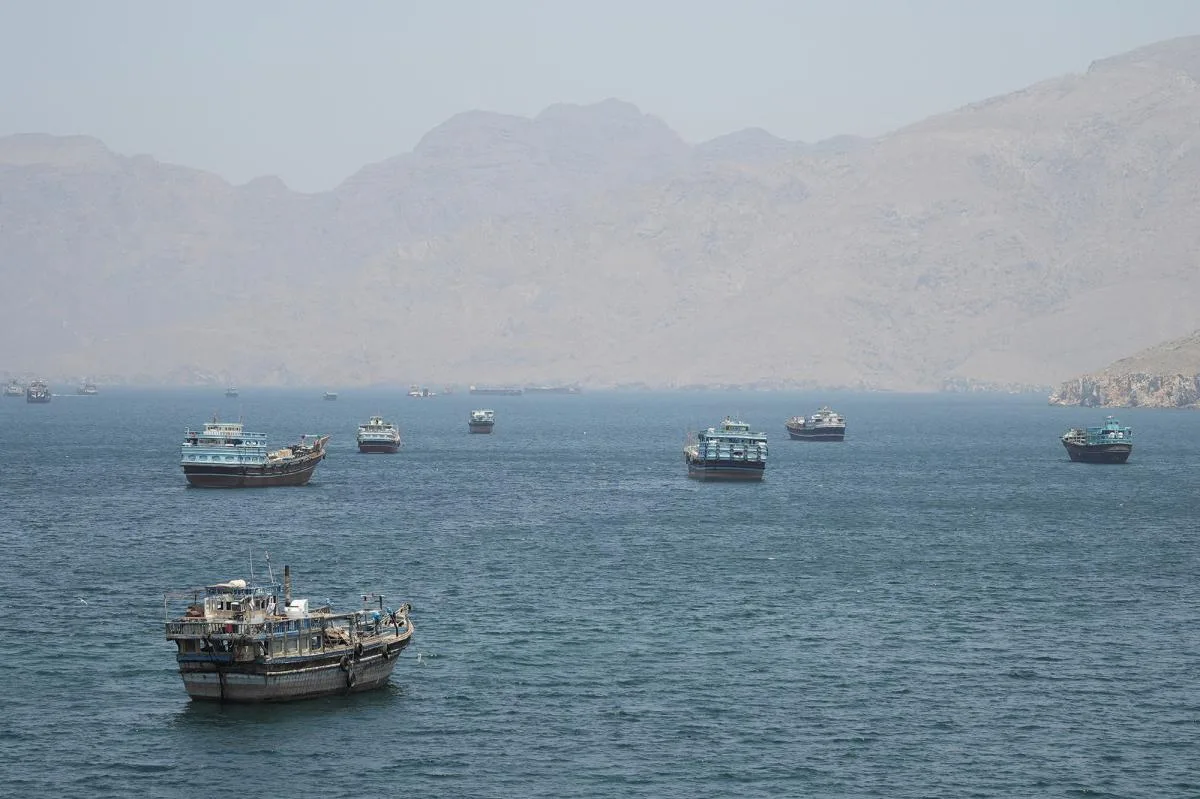
Iran rejected the latest U.S. peace proposal by sidestepping any direct engagement on its nuclear program, instead emphasizing an immediate end to hostilities and securing maritime traffic through the Strait of Hormuz, according to Iranian state media. The Islamic Republic submitted its counter-offer via Pakistani intermediaries, seeking assurance for safe shipping before addressing more contentious issues like nuclear disarmament.
The latest U.S. proposal aimed to simultaneously halt the regional conflict, reopen the strategically vital Strait of Hormuz, and compel Iran to roll back its nuclear development. Washington has not yet officially responded to Tehran's counter-offer. Meanwhile, President Trump reiterated that eliminating Iran’s nuclear capacity remains a central war objective and warned that failure to agree could trigger a renewed military campaign.

Trump also indicated the potential reactivation of Project Freedom, a naval operation designed to escort commercial shipping safely through the strait, threatened to resume if diplomatic efforts collapse. The U.S. ambassador to the United Nations, Mike Waltz, stressed that diplomatic channels remain open and are being pursued aggressively before any return to violence.
Tehran’s blockade of international shipping through the Strait of Hormuz has become a focal point of tension. Before the conflict, the strait handled about one-fifth of the world’s oil shipments, but Iran’s control has choked non-Iranian vessels, provoking a U.S. naval blockade of Iranian ports in response. Recent U.S. military strikes targeted Iranian oil tankers attempting to breach this blockade, escalating threats from the Revolutionary Guard’s naval forces, which promised “heavy assault” on U.S. bases and ships if Iranian vessels were attacked.
Satellite imagery recently revealed Iran reconstructing facilities at the Isfahan nuclear site, underscoring ongoing nuclear advancements even as Tehran deflects from nuclear talks in its peace negotiations.