

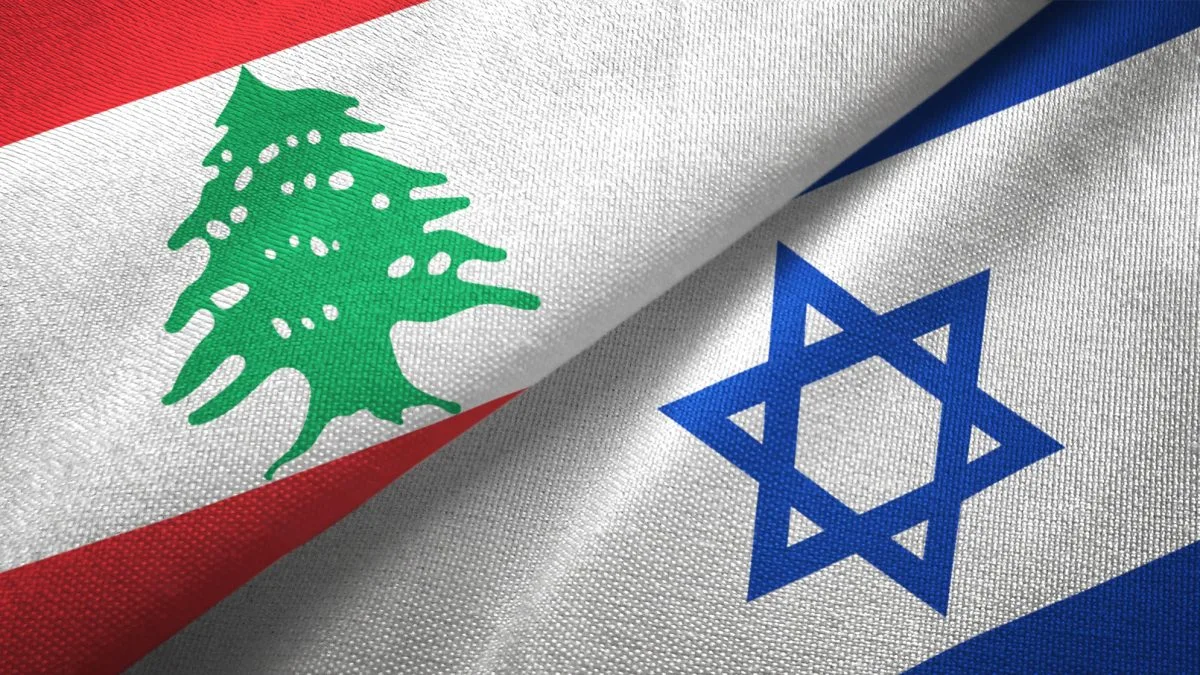
Israel and Lebanon reached an agreement to implement a ceasefire aimed at halting hostilities between the two nations, following negotiations facilitated by the U.S. State Department. This ceasefire depends on the complete cessation of fire by the Hezbollah militia, aligned with Iran, and the removal of its forces from the South Litani Sector, a sensitive area along the border. The announcement represents a critical step in easing regional tensions amid ongoing talks involving the United States and Iran.
Despite an earlier ceasefire agreed upon last month, clashes continued as Israel pursued operations against Hezbollah following cross-border attacks. Israel’s military intervention in Lebanon began in March with the objective of dismantling Hezbollah positions, which had launched strikes in support of Tehran. The recent U.S.-brokered understanding signals renewed efforts to stabilize the border and reduce violent confrontations.

Hostilities persist in the broader Gulf region, with Tehran carrying out recent attacks in Kuwait and near the Strait of Hormuz, a crucial maritime route for global oil shipments. These actions have pressured oil markets and challenged the fragile ceasefire framework linking Israel, Lebanon, and the U.S. Since U.S. and Israeli strikes against Iran started in late February, the Iranian government has retaliated by targeting military and strategic sites in Gulf countries hosting American forces.
Negotiations between the U.S. and Iran have shown tentative progress toward a preliminary deal focused on halting the conflict and reopening the Strait of Hormuz, which had been closed for over three months and previously transported substantial global oil and liquefied natural gas volumes. Still, key issues remain unresolved, including Iran’s demands for access to frozen oil revenues, sanctions relief on crude exports, and the lifting of port blockades. Tehran also insists on maintaining strategic influence over the maritime strait.
The Iranian Foreign Minister indicated that talks continue without decisive breakthroughs, underscoring the complexity of achieving a comprehensive settlement. Meanwhile, U.S. President Donald Trump reaffirmed his priority to prevent Iran from developing nuclear weapons, stating in a recent interview that Iran had agreed not to pursue nuclear arms and that Supreme Leader Khamenei was actively involved in the negotiations. Trump also hinted at potential swift progress in the coming days, reflecting cautious optimism amid fragile diplomatic efforts.