

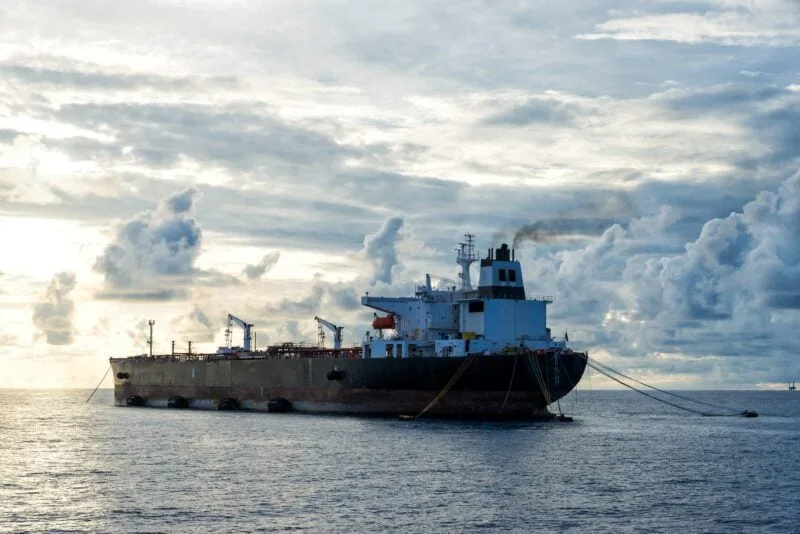
Japanese companies have initiated talks on resuming Iranian oil purchases for the first time since 2019, utilizing a newly granted U.S. sanctions waiver. This limited exemption, effective for 60 days starting late June, permits certain buyers to import Iranian crude, but its near-term expiration and maritime risks raise doubts about progress.
Prospective Japanese buyers are demanding an extension of the waiver beyond its August expiry to accommodate long shipping times and complex logistics. Ensuring the safety of oil tankers navigating the Strait of Hormuz, a strategic but volatile chokepoint, remains a critical concern for all parties involved. Shipping insurance has emerged as a primary obstacle due to recent regional tensions and attacks.

The waiver originates from ongoing diplomatic negotiations between Tehran and Washington aimed at easing sanctions that had been tightened following the U.S. withdrawal from the Iran nuclear deal. While Japan’s Ministry of Economy, Trade and Industry has not publicly confirmed these discussions, multiple sources indicate that at least three Japanese firms are evaluating potential crude contracts.
Iran’s state oil company has approached traditional Asian buyers, including Japan, signaling a willingness to renew trade ties pending a broader peace agreement. According to Iranian officials, cargos would likely ship from Kharg Island using tankers operated by Japanese companies, underlining a tentative framework for resumption.
However, security in the Strait of Hormuz remains uncertain. Recent incidents, including attacks on container ships and declarations from Iran’s Revolutionary Guards requiring clearance for all maritime traffic, underscore persistent risks. The United Nations’ maritime agency has detected numerous floating mines, further complicating safe passage.
Asian refiners outside China, where inventories are sufficient and existing contracts pose challenges, may be reluctant to place new orders without a longer-term waiver. Consequently, Chinese independent refineries currently stand as the primary buyers under the temporary sanctions relief, maintaining Iran’s limited export flow during the diplomacy window.