

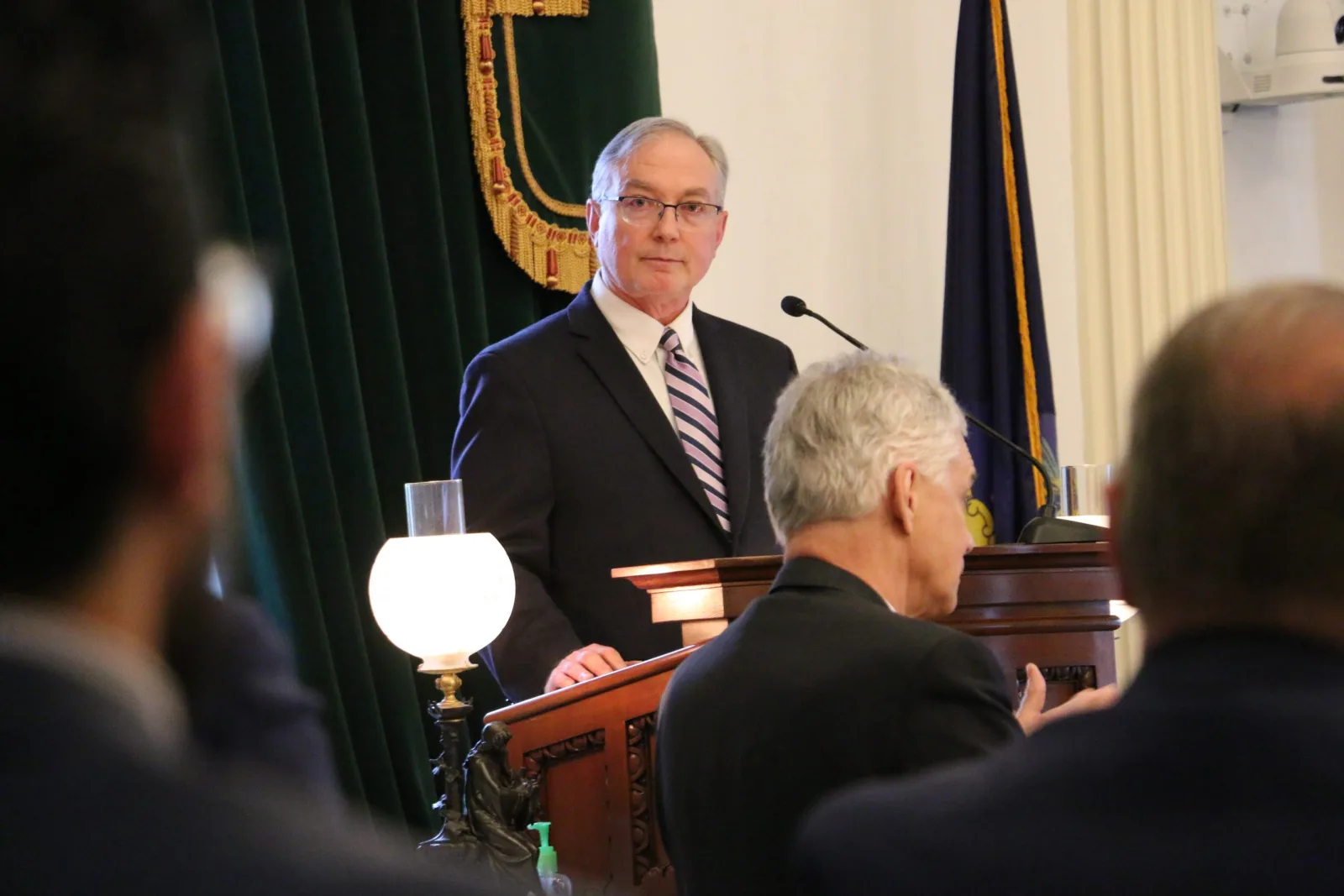
Legislators in Vermont closed their biennium earlier than in recent years after approving several key bills that reshape education funding, tax policy, and the state budget. This session marked a rare moment of relative harmony, with lawmakers avoiding the typical late-night debates and garnering commendations for their collaborative approach.
The centerpiece of the legislative package was the education reform bill, which replaces a previously proposed mandatory school merger system with a voluntary framework. This shift reflects a compromise between the governor, who had advocated for compulsory consolidation, and lawmakers seeking a more flexible path for school districts.

Alongside education reform, lawmakers passed a tax bill that allocates $105 million to reduce property taxes in a single year. This measure is designed to soften the impact of rising taxes, cutting the expected average increase nearly in half. Additionally, the bill introduces tighter spending limits for school districts to encourage fiscal restraint ahead of a new education funding formula.
The session also finalized a $9.4 billion budget that grew by almost 3 percent compared to the previous year. The budget directs funds toward social services, including food banks affected by federal benefit restrictions, loan repayment assistance for primary care providers, and capital investment for the University of Vermont’s new sports stadium.
While the overall tone was cooperative, some tension lingered. House Republicans drew criticism for blocking a vote on a contentious bill that would prohibit law enforcement from wearing masks, a high-profile issue during the session. This procedural move upset several lawmakers and observers despite the broad success of other legislative efforts.
As the chamber closed, outgoing House Speaker Jill Krowinski emphasized the civility and patience shown by legislators, underscoring the importance of respectful dialogue in a politically divided era. Governor Phil Scott echoed this sentiment, noting that although no party secured all its priorities, the compromises represent progress on urgent state challenges.