

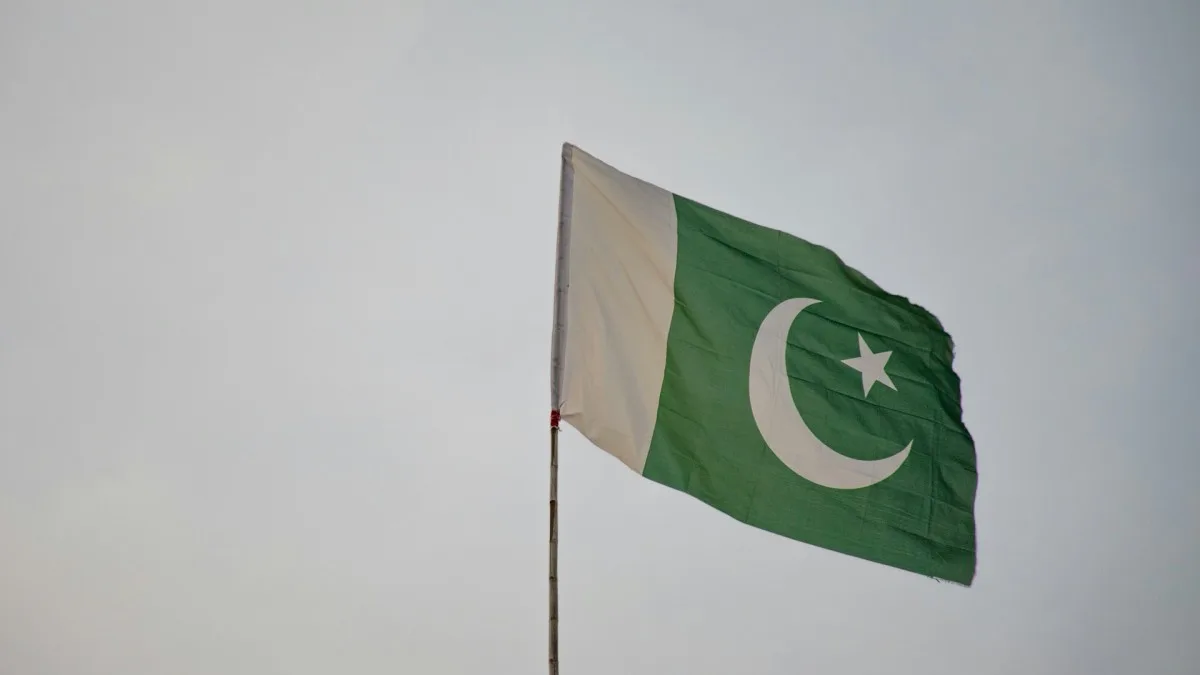
Pakistan has established two strategic land corridors that bypass Afghanistan, aiming to secure more stable trade routes to Central Asia. In April 2026, Islamabad fully activated a transit corridor through Iran’s Gabd-Rimdan crossing and another connection through China’s Sost Dry Port, following the indefinite closure of the traditional Torkham and Chaman border crossings with Afghanistan in October 2025 due to escalating security threats.
More than 14,000 metric tons of goods have already moved along these new pathways, including the inaugural reciprocal shipments between Pakistan and Kyrgyzstan along the 3,300-kilometer Bishkek-Karachi route under the Quadrilateral Traffic in Transit Agreement (QTTA). The first export under the TIR (Transports Internationaux Routiers) system was dispatched from the Karachi Export Processing Zone to Kyrgyzstan via China, marking a milestone in Pakistan's diversification of transit routes.

For decades, Pakistan’s access to Central Asian markets depended almost exclusively on passage through Afghanistan's Torkham and Chaman crossings. This arrangement granted Kabul significant leverage to influence trade, often affecting diplomatic relations between the countries. Since the Taliban recaptured power in 2021, the security situation and instability along these Afghan routes intensified, disrupting transit and aggravating Central Asian states. Frequent border closures, unpredictable transit tariffs, and militant threats have undermined trade ambitions across the region.
With ongoing tensions around the Strait of Hormuz raising risks to maritime supply lines, Gwadar Port, located 400 kilometers east of the strait, has gained prominence as a warm-water outlet for Eurasian landlocked countries. The activation of the Pakistan-Iran Transit Corridor and the Sost-Kyrgyzstan-China Corridor provides an alternative trade network that circumvents these geopolitical vulnerabilities while challenging Afghanistan’s traditional transit monopoly.
These corridors are expected to strengthen Pakistan’s role as a multi-modal link connecting Central Asia to global markets, offering diversified and more secure logistics options. The new routes reduce reliance on unstable maritime chokepoints and unreliable land passages, creating fresh opportunities for trade growth among the involved nations.