

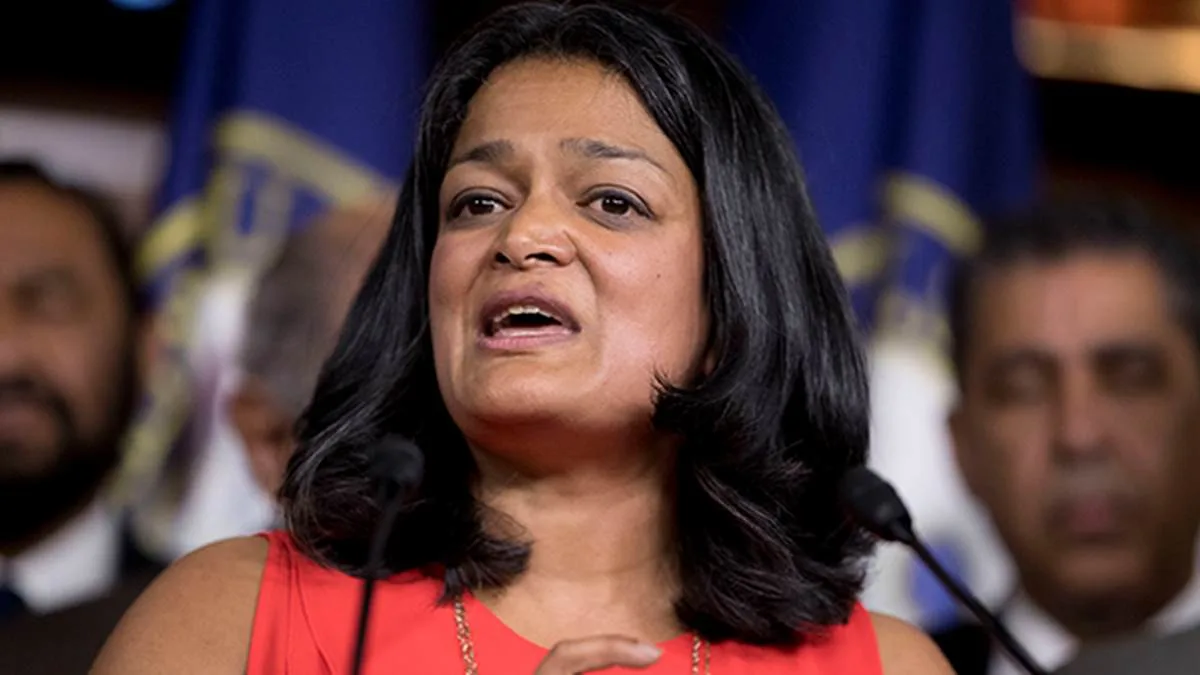
Representative Pramila Jayapal revealed she has engaged with foreign governments to facilitate oil supplies to Cuba, openly challenging the sanctions imposed by the Trump administration. Her actions have sparked a heated response, with critics alleging a breach of the Logan Act, a federal law prohibiting unauthorized negotiations with foreign governments.
The sanctions aim to isolate Cuba’s communist regime by restricting access to critical resources like oil. Jayapal criticized these measures, equating the economic restrictions to an unlawful attack on the Cuban nation's infrastructure. This stance conflicts with official US policy seeking to pressure the Cuban government through economic means.

The Logan Act, passed in 1799, criminalizes private individuals interfering in foreign diplomacy without government authorization, seeking to prevent unauthorized negotiations that could undermine official US foreign policy. Jayapal’s admission to working in defiance of the executive branch’s stance has fueled accusations ranging from sedition to treason by some commentators, although no formal charges have been filed.
Reactions across political and social media circles have been intense. Many argue that such conduct from an elected official undermines national security and the sitting president’s authority. Calls for legal intervention and congressional censure have escalated, with suggestions ranging from stripping committee responsibilities to possible arrest. Others emphasize the need to investigate the legality and implications of Jayapal's actions within the framework of US law.
While enforcement of the Logan Act remains rare, this case spotlights tensions between individual lawmakers’ international engagements and executive foreign policy prerogatives. It raises questions about the boundaries elected officials must observe when engaging with sensitive foreign affairs, especially regarding longstanding embargoes and sanctions.