

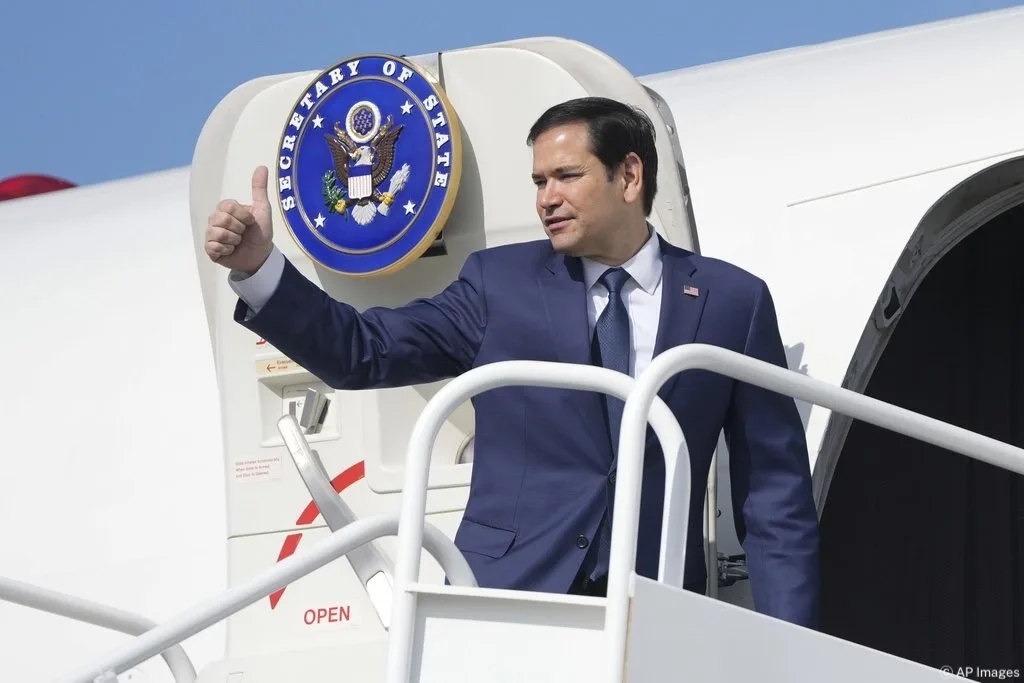
The U.S. government, under Secretary of State Marco Rubio, has approved a substantial arms sale package valued at approximately $25.8 billion for multiple Middle Eastern allies. The move aims to bolster regional security by providing advanced military technology, primarily focusing on missile defense capabilities and aerial threat interception.
The agreements reportedly include the supply of hundreds of cutting-edge air-defense interceptors alongside additional military equipment designed to elevate the preparedness of allied forces in the region. These weapons systems serve to reinforce the ability of key U.S. partners to defend against escalating geopolitical challenges.

Although detailed information on the specific countries involved and the complete list of armaments has not been publicly disclosed by the U.S. State Department, sources indicate that these sales intend to deepen strategic alliances and support ongoing military modernization programs. The authorization highlights continued American investment in maintaining stability within the Middle East through advanced defense collaboration.
Experts note that this large-scale approval underscores the dual objectives of strengthening diplomatic relations and advancing the U.S. defense industry's interests. However, certain components of the deals may require further congressional review before becoming final, depending on legal provisions surrounding export controls and national security assessments.
This development occurs amid persistent tensions across the Middle East, where governments prioritize upgrading their defense infrastructure to counter potential missile and aerial threats. As one of the region’s leading arms suppliers, the United States maintains a consistent role in supporting its allies’ security through ongoing military technology exports and cooperative defense arrangements.