

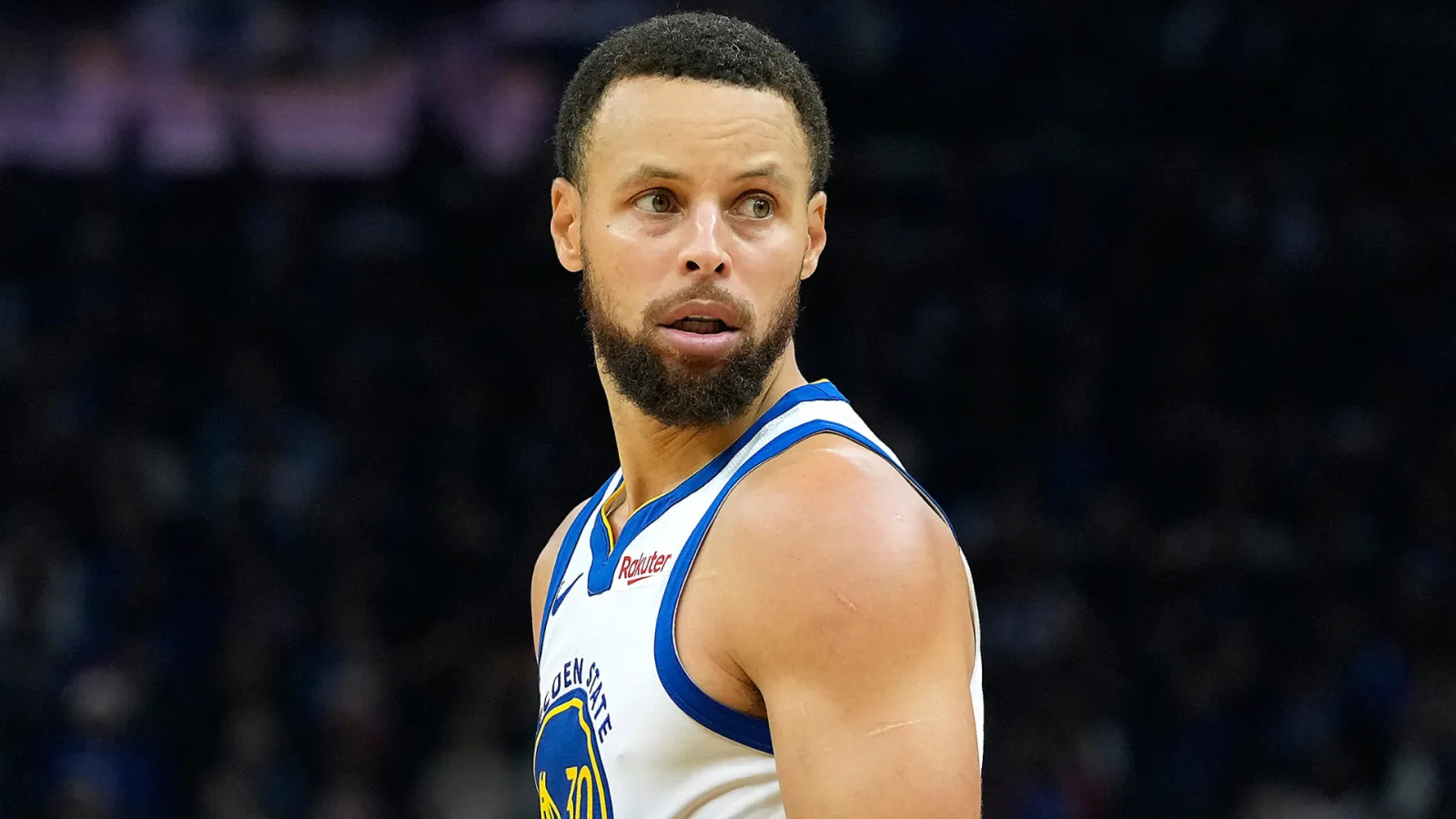
Steph Curry has finalized a reported 10-year, $400 million contract with Chinese sportswear brand Li-Ning, marking a significant expansion of his Curry Brand into Asia, while boosting Li-Ning’s ambitions in the U.S. market. The superstar guard revealed the partnership with a social media campaign, kicking off collaboration with the company that aims to increase its global footprint.
The deal immediately drew scrutiny. Former NBA player Enes Kanter Freedom publicly criticized Curry’s choice, highlighting what he characterized as a contradiction between Curry’s vocal support for social justice in the United States and his partnership with a brand accused of serious human rights violations. Freedom pointed to allegations against Li-Ning involving forced labor and sweatshop conditions—claims the company denies—and the fact that Li-Ning’s products have been banned in the U.S. since 2022 due to these concerns.

Freedom’s rebuke extended beyond Curry to include Golden State Warriors coach Steve Kerr, who has been known for his outspoken political views. Freedom accused both of politically criticizing the U.S. government while allegedly accommodating Chinese interests, implying a conflict between activism and business ties to China’s controversial labor practices.
Lawmakers have also taken notice. U.S. Congressman Chris Smith from New Jersey, a co-chair of the Congressional-Executive Commission on China, announced plans to request an investigation into Li-Ning’s imports through the Department of Homeland Security. Smith underscored the tension between the NBA’s public stance on social justice and the financial relationships some players and platforms maintain with companies linked to the Chinese Communist Party’s forced labor system. He emphasized the significance of Curry’s global stature in amplifying these concerns.
Curry is not the only NBA figure linked to Li-Ning. Former player Dwyane Wade has partnered with the brand since 2012 through his Way of Wade line. Nonetheless, this new agreement thrusts the company back into the spotlight amid ongoing debates on athletes’ endorsements and the interplay between commerce, politics, and human rights.