

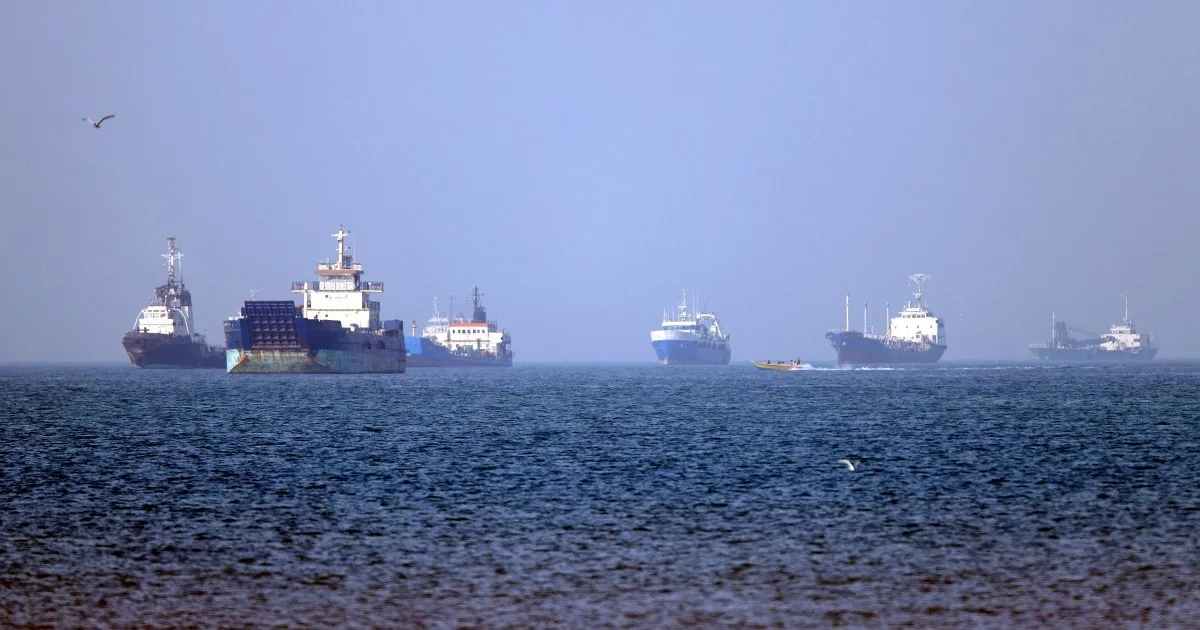
Since a volatile outbreak of hostilities in the Strait of Hormuz, tens of thousands of seafarers have found themselves stranded in Iranian waters, caught in the crossfire of escalating tensions between the United States and Iran. Among them, an Indian seafarer named Anish has been confined to his cargo ship for nearly ten weeks, unable to leave due to payroll disputes and regional instability.
The Strait of Hormuz, a crucial global shipping lane responsible for a significant portion of the world's oil, gas, and fertilizer transports, has effectively shut down following a series of attacks and retaliations. Despite a tentative ceasefire announced earlier in April, the region remains perilous. US Navy vessels navigating the strait recently faced attacks from missiles, drones, and small boats, prompting US forces to intercept and neutralize threats, while Iran claims to have responded after strikes on its own oil tankers.

Anish explained that some seafarers have managed to cross Iran’s 44-kilometer land border into Armenia to return home. However, many remain aboard ships because of delayed salary payments or restrictions on currency exchanges. Middlemen known as Indian agents, responsible for managing recruitment and payments, have been unable or unwilling to process wages, while Iranian counterparts have withheld dollars needed for travel.
The precarious conditions onboard deteriorate as food and water supplies run low. Anish survives on a limited diet of potatoes, onions, tomatoes, and flatbread, while reports circulate of other vessels facing shortages. Iranian authorities have offered “safe passage” through their territorial waters for a fee, but commercial ships continue to encounter intermittent attacks, underscoring the fragile and volatile environment.
Adding to the challenges, the US imposed a blockade on Iranian ports starting mid-April with the intent to cripple Tehran’s oil exports and limit its access to foreign currency. As the maritime standoff endures, the stranded seafarers remain caught in limbo, their fates uncertain as geopolitical negotiations continue in the background.