

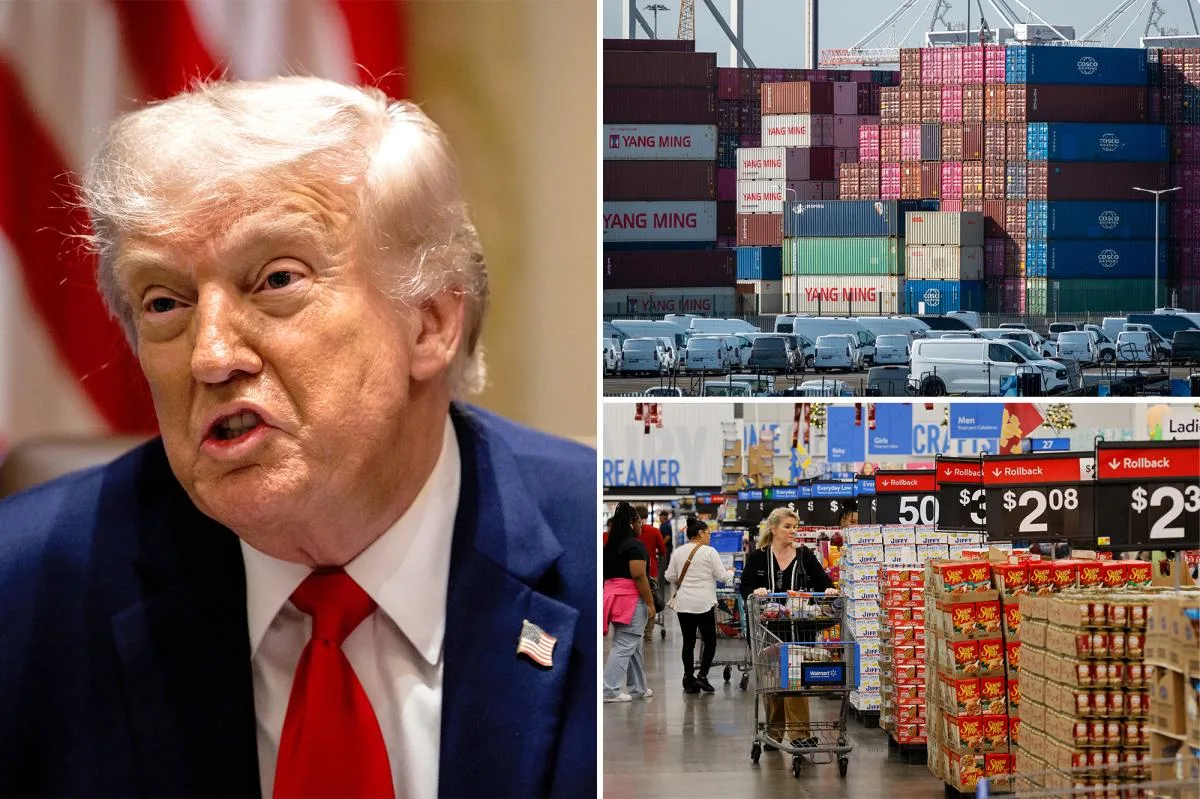
The U.S. government is preparing to appeal a federal judge’s order that opened the door for all importers who paid tariffs levied under former President Donald Trump’s policy to seek refunds—not just those who filed lawsuits. This move could disrupt the current refund process managed by U.S. Customs and Border Protection (CBP), which had been issuing payments smoothly after the Supreme Court invalidated the higher import taxes.
Following the Supreme Court’s ruling that Trump lacked constitutional authority to impose widespread tariff increases on goods from nearly every other country, CBP began processing refund claims for companies affected. By late May, CBP reported that applications for more than half of the estimated $166 billion in owed refunds had been accepted, with over $20 billion already disbursed. These repayments aimed to reimburse around 330,000 importers who paid the contested duties after April 2025.

The Justice Department revealed its intention to appeal after Judge Richard K. Eaton of the U.S. Court of International Trade ordered CBP Commissioner Rodney Scott to testify about the timeline for issuing all refunds. Lawyers for the administration requested that Scott’s deputies appear instead, citing his high-ranking status and argued that the judge overstepped in extending refund eligibility to all importers regardless of litigation status. However, Judge Eaton insisted on hearing directly from Scott to determine how quickly the government could fulfill its refund obligations.
Customs and Border Protection has followed a phased approach to refunds, prioritizing claims from companies that filed lawsuits asserting their right to repayment. The administration’s appeal plans indicate that this pace might change if the court allows a narrower interpretation of who qualifies for refunds. The dispute centers on whether the Supreme Court's decision automatically entitles every importer who paid the invalid tariffs to reimbursement, or only those who challenged the tariffs in court.