

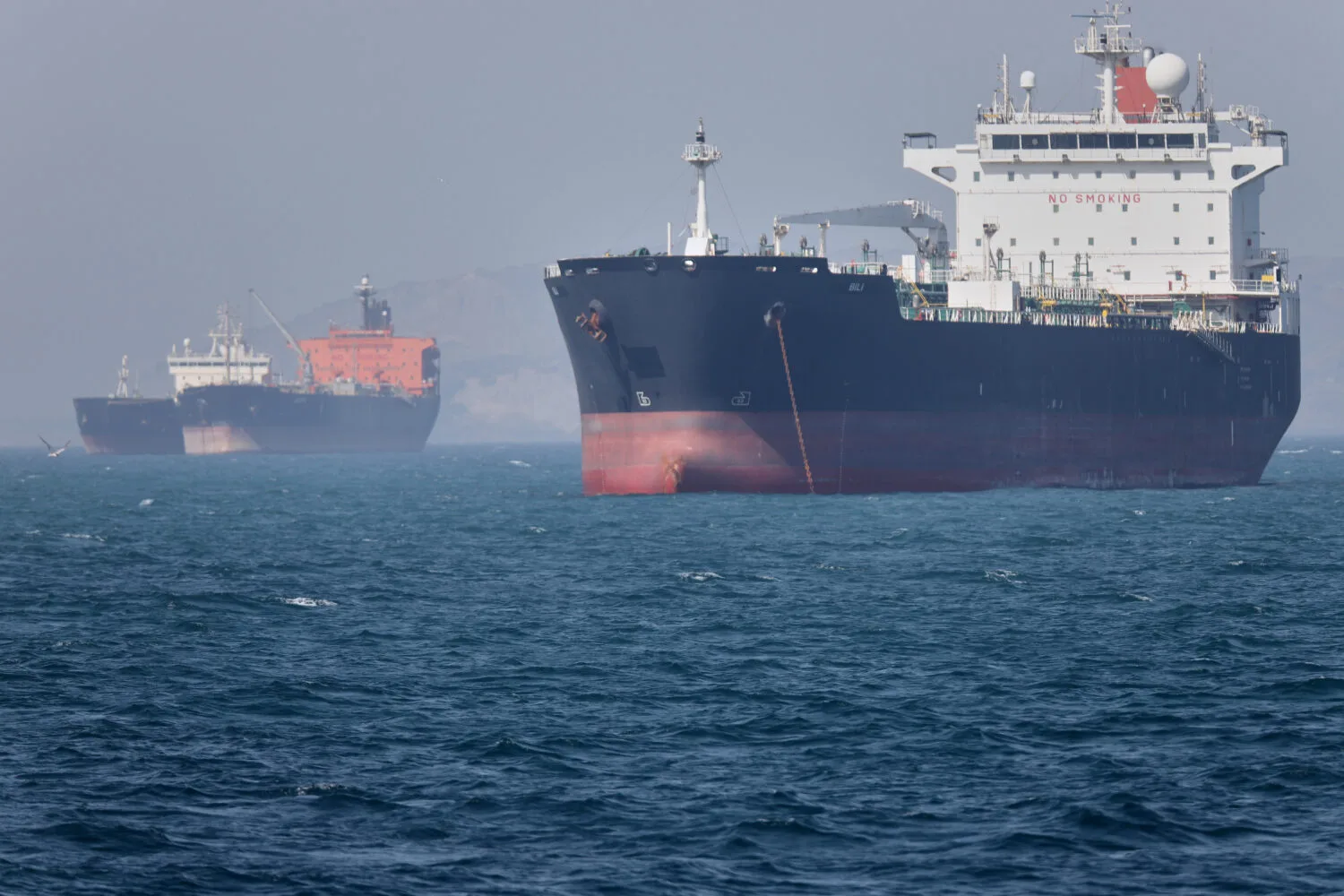
A draft United Nations resolution aims to pressure Iran to end maritime hostilities and navigation restrictions in the vital Strait of Hormuz. The document warns of sanctions or other measures if Iran continues attacks on commercial vessels, imposes unauthorized tolls, and withholds information about mine placements obstructing free passage.
Co-sponsored by the United States and Gulf countries, the resolution demands that Iran immediately cooperate with UN initiatives to establish a humanitarian corridor through the strait. This corridor is intended to facilitate the safe delivery of crucial supplies, including aid, fertilizer, and other essential goods transported through this strategic waterway.

Based on Chapter 7 of the UN Charter—which allows for enforcement measures including military action—the resolution underscores the international community’s firm stance on maintaining open and secure shipping lanes. It reaffirms all nations’ rights to defend their vessels against aggression and calls on states not to support Iran’s efforts to close or tax passage through the strait.
The proposal comes after a previous, broader resolution faced vetoes from China and Russia, shortly before a temporary ceasefire was announced between Washington and Tehran. The U.S. hopes this narrower draft will secure passage within the 15-member Security Council without provoking opposition from Iran’s allies.
Given that the Strait of Hormuz previously handled about one-fifth of the world’s crude oil shipments, the resolution reflects ongoing global concern about regional stability and energy security. It also welcomes efforts to coordinate safe transit and encourages regional dialogue aimed at fostering lasting peace.