

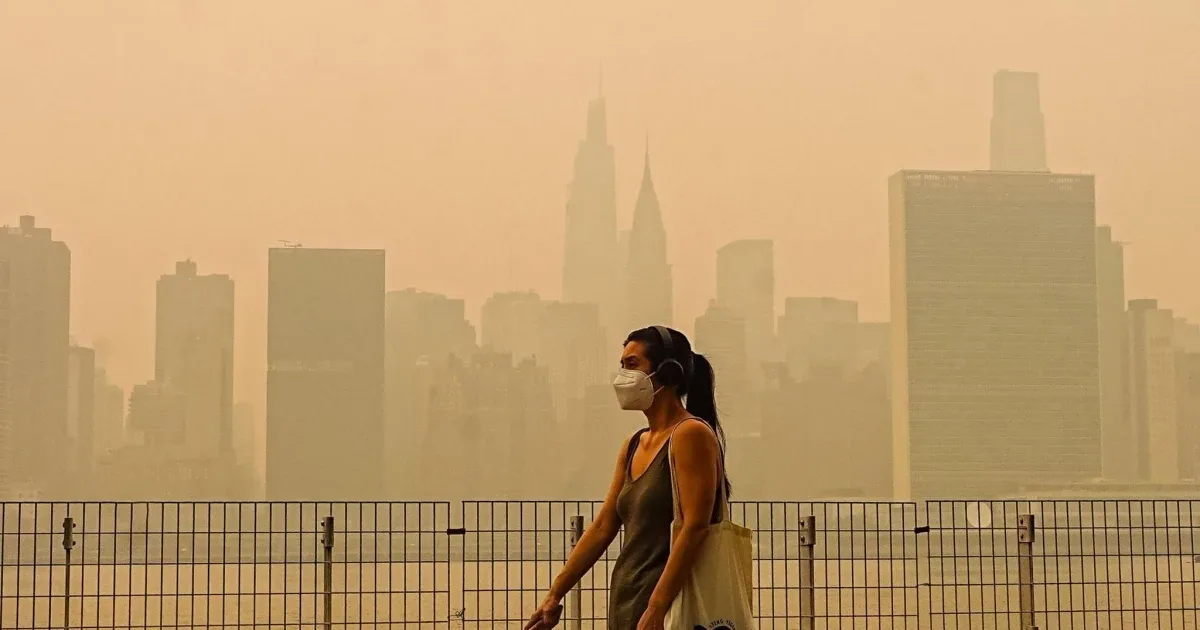
Tensions between the United States and Canada have risen as wildfire smoke from Canadian provinces spreads into American cities, prompting threats of tariffs amid growing concerns over cross-border air quality. The smoke has engulfed major urban centers like Chicago, New York, and Minneapolis, triggering air-quality alerts and highlighting the environmental impact of increasingly intense wildfires driven by climate change.
The US response included threats to increase tariffs on Canadian goods, accusing Canada of negligence in managing its wildfire problem. This political friction reflects deeper challenges, as climate conditions causing more frequent and severe fires transcend national borders and complicate trade relations. Canadian officials and experts note that tariffs do little to address the root causes of fire seasons worsened by hotter, drier weather patterns.

Both countries acknowledge a joint duty to confront climate change. Mark Carney emphasized that the scientific and policy consensus demands cooperation across the border. Canada attributes shifting wildfire behavior to climate-driven changes in fire weather, while the US has contributed federal firefighting resources to assist Canadian provinces battling blazes. This cross-border collaboration dates back decades, grounded in a wildland fire cooperation agreement established in the early 1980s.
Provincial efforts to enhance firefighting capabilities are also underway, with Ontario investing in new aircraft designed to combat wildfires more effectively. Alongside these operational measures, both governments recognize the need for joint emergency planning and coordinated climate policies aimed at mitigating factors that fuel longer and more destructive fire seasons.
The dispute has unfolded amid political accusations: some American lawmakers criticized Canadian authorities for insufficient efforts to prevent smoke drift, while Canadian leaders urged the US to support firefighting efforts rather than impose trade penalties. This underscores a larger reality that wildfire smoke and climate risks demand practical collaboration over retaliatory measures.