

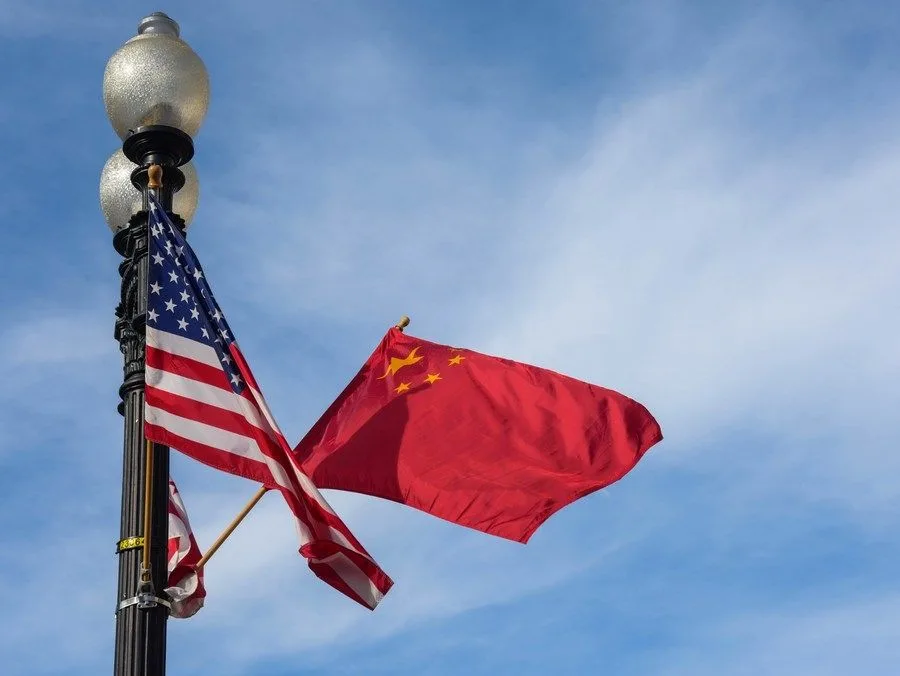
The United States is accelerating its attempt to curb China’s growing influence throughout Latin America, addressing what officials describe as a significant strategic challenge for US foreign policy. US Secretary of State Marco Rubio emphasized that decades of American neglect allowed China to secure key footholds in sectors like ports, telecommunications, and critical mineral resources across the region.
Chinese investments focus heavily on long-term agreements that grant access to energy supplies and vital minerals, which Beijing views as essential to its global strategy. Rubio detailed how Chinese companies often provide the only available financing for infrastructure projects, leading many countries in Latin America to grow dependent on Beijing’s capital. This pattern, Rubio said, strengthens China’s leverage by tying economic assistance to strategic and political influence.

To counter this dynamic, the US administration is actively working to connect Latin American governments with alternative sources of funding, including American and allied Western companies. The goal is to offer viable options beyond Chinese-backed initiatives, thereby diversifying the region’s partnerships and reducing Beijing’s dominance.
Rubio cited Paraguay as a notable example of a country maintaining strong ties with both the United States and Taiwan amid increasing pressure from China. He also highlighted ongoing US collaboration with several governments in the region on securing critical minerals and developing supply chains that support economic growth.
Lawmakers recently returned from congressional delegations to South America have commended these renewed diplomatic efforts. However, Rubio acknowledged a long-standing trend among US administrations of declaring Latin America a priority without consistent follow-through. The current push aims to move beyond rhetoric and establish sustainable engagement.