

State governments have emerged as critical fronts in the ongoing strategic rivalry between the United States and China, with lawmakers and security experts warning that Beijing has intensified efforts to infiltrate local institutions and infrastructure. This shift reflects concerns that Chinese influence operations are increasingly targeting state legislatures, universities, and sensitive military-adjacent areas, exploiting weaker oversight compared to federal agencies.
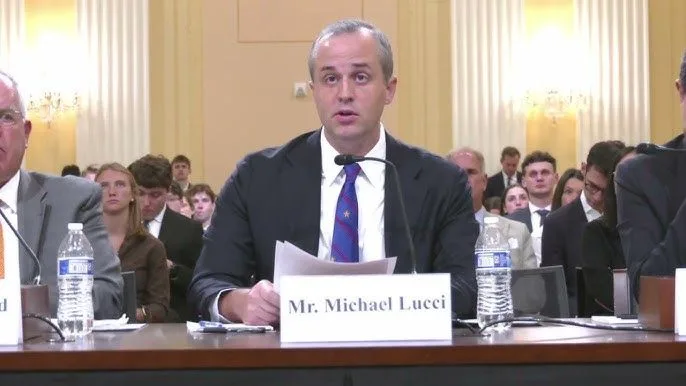
During a recent House Select Committee hearing on the Chinese Communist Party, experts highlighted how Chinese efforts to expand their foothold go beyond Washington, D.C., with local vulnerabilities now in the spotlight. Michael Lucci, CEO of State Armor, emphasized that state governments are confronting security threats traditionally managed at the federal level. He cited examples such as land acquisitions near US Air Force bases and telecom infrastructure placement near strategic sites, aimed at gaining leverage through proximity and access.

Universities have also become focal points for Chinese influence and technology acquisition, creating what Lucci described as a national security crisis. Federally funded research programs, in some cases, have forged partnerships with Chinese institutions linked to Beijing’s military and defense sectors. This raises alarms about intellectual property risks and the potential for sensitive technology transfers.
In response, states including Texas and Nebraska have enacted measures to safeguard critical infrastructure and bolster research security. Texas has created a state cyber command to address cyber threats targeting local communities, while legislation in both states focuses on restricting foreign ownership near military bases and administering foreign agent registration laws. These moves reflect growing efforts at the state level to counterbalance Chinese influence.
However, state legislators proposing such protective measures have reportedly faced pushback from organizations and businesses connected to China. Lucci described this backlash as a coercive campaign that extends beyond normal lobbying, involving economic threats and online intimidation targeting lawmakers. This, he warned, represents an intrusion by a non-democratic actor operating within democratic processes.
Committee Chairman John Moolenaar reinforced these concerns, noting that China increasingly views state and municipal bodies, along with universities and community groups, as “soft targets.” Their reduced oversight and fragmented security measures make them vulnerable to influence operations, complicating efforts to safeguard national security comprehensively.
The US government’s acknowledgment of these challenges signals a broader shift in how the rivalry with China is being addressed, with expanded emphasis on local and state-level defenses supplementing traditional federal efforts.