

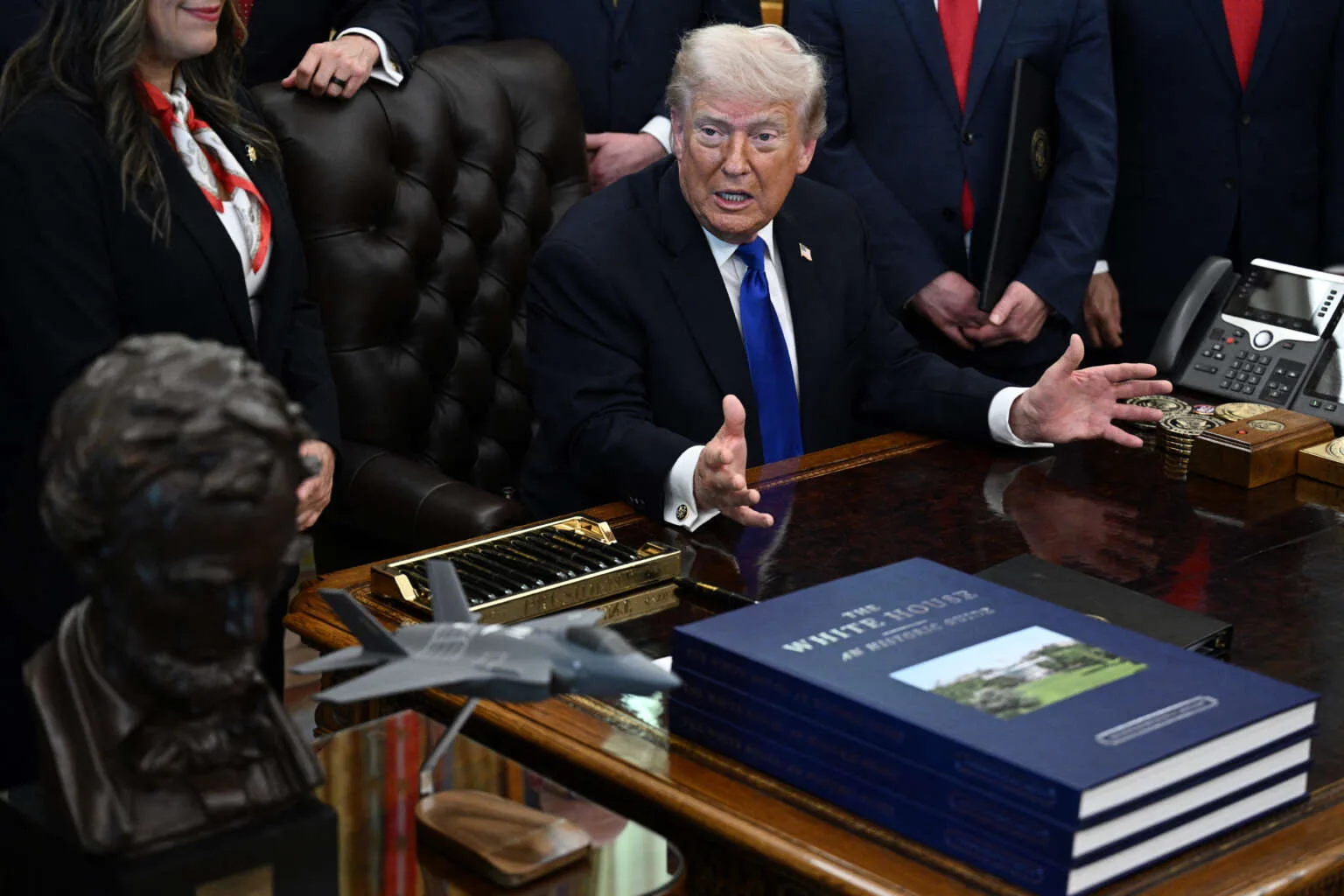
A panel of judges from the US Court of International Trade ruled that the 10% tariffs imposed by former President Trump on most imports violate trade laws, delivering a significant legal setback to one of his key economic policies. The court’s 2-1 decision found that Trump overstepped his authority by enacting the import taxes under emergency powers, following a Supreme Court decision that previously struck down related tariffs.
Although the ruling bars collection of these tariffs only from specific plaintiffs, including some businesses and the state of Washington, it challenges the administration’s justification for the tariffs and sets the stage for further legal battles as the government plans to appeal the decision. Lawmakers critical of the tariffs argue they have unfairly burdened American families and small businesses with higher costs.

Criticism of Trump’s trade measures has grown as new data shows that these tariffs have not achieved their stated goals. Analysis from the American Economic Liberties Project’s Rethink Trade program highlights that manufacturing jobs declined and the trade deficit increased during the first quarter of 2026 compared to the same period in 2024. These trends raise questions about the effectiveness of the tariffs in revitalizing US manufacturing and balancing trade.
According to trade experts, the administration’s approach has often lacked strategic focus, misusing tariffs and failing to leverage trade policy to address other key issues like global tech monopolies that contribute to trade imbalances. Critics say the tariffs have instead imposed additional costs on American consumers amidst rising prices for everyday goods.
In response to the court ruling, members of Congress have called for the immediate end of these “illegal taxes” and urged that refunds be issued to affected families and businesses. They emphasize that the ongoing economic strain caused by the tariffs has significant consequences for household budgets and the broader economy.