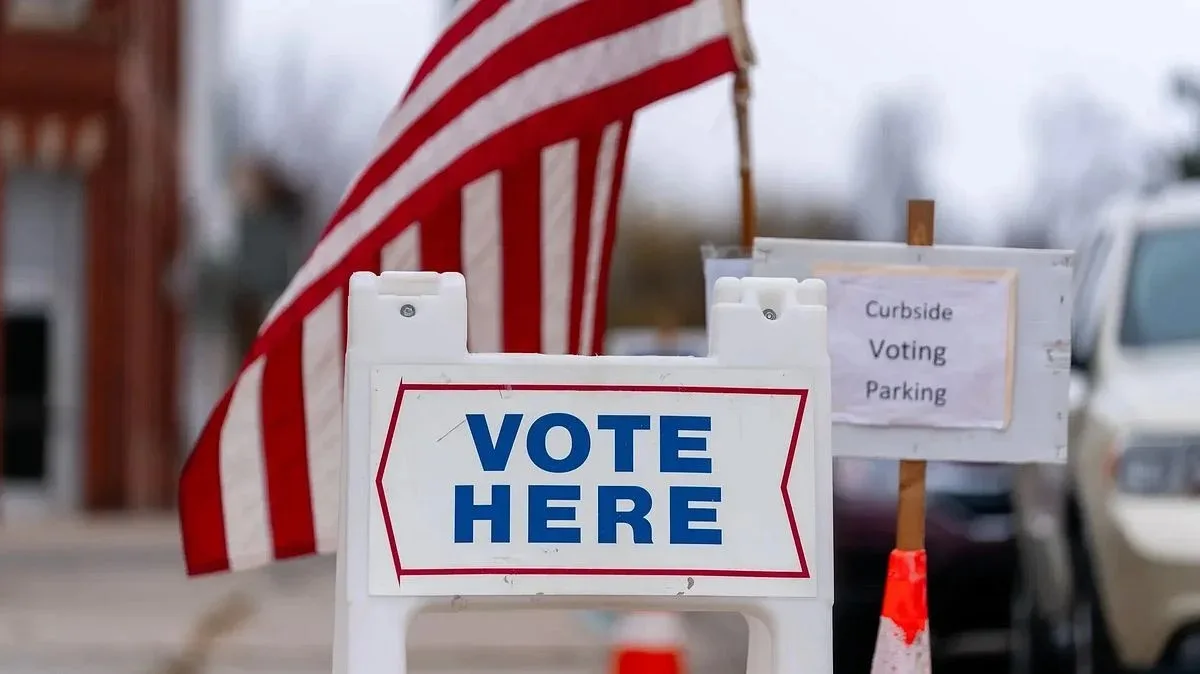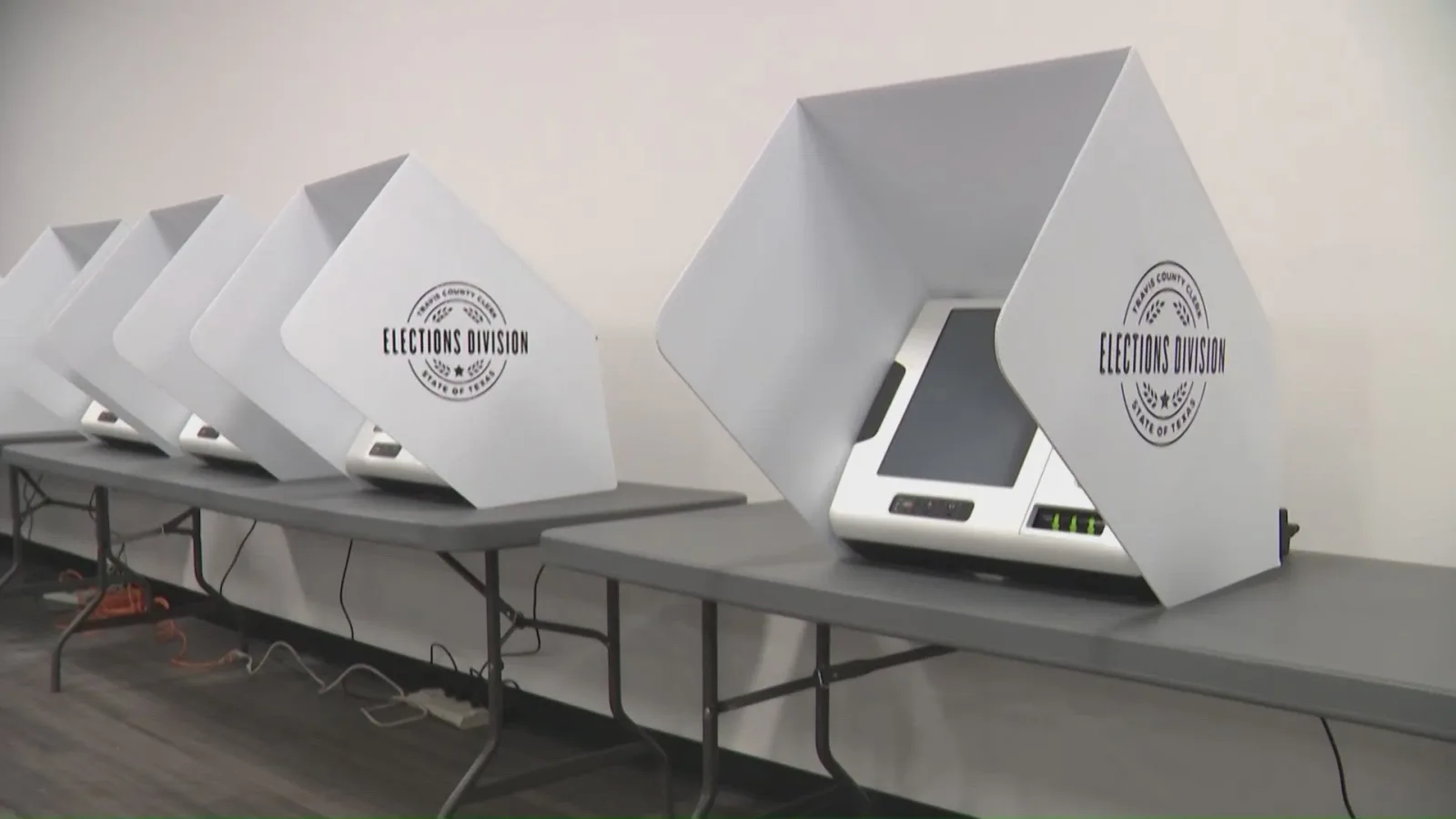
Texas voters turned out last weekend for local and school board races that, while technically nonpartisan, divided clearly along ideological lines. Democrat-backed candidates surged to victory in multiple districts, while conservative-leaning candidates suffered notable losses. Scott Braddock, editor of Harvey Kronberg's Quorum Report, characterized the pattern bluntly: candidates with Democratic support won, while those with Republican backing lost.
In Grapevine-Colleyville ISD and Mansfield ISD, coalitions of Democrats, independents, and moderate Republicans defeated conservative candidates, some of whom were backed by organizations like True Texas Project and Patriot Mobile PAC. In Lake Travis, Tiffany Bennett and Natalie Nugent defeated conservative incumbents Robert Aird and Keely Cano, who had pushed aggressively for book bans in the district. Braddock observed that the results suggested a potential shift in areas where conservatives had previously dominated school board races.

Democrats characterized the results as evidence of growing party momentum before November. Braddock noted that Republican candidates faced headwinds on multiple fronts: high gas prices, inflation, energy costs, and declining approval ratings for the sitting president. "Republicans are underwater on almost everything," he said, adding that the president's polling numbers had reached their lowest point in office.
The national Democratic Party amplified one particular result. Quentin Wiltz, a Democrat, was elected mayor of Pearland, a Houston-area suburb with roughly 130,000 residents that historically supported Republicans. The Democratic National Committee highlighted the win, calling it "huge" and framing it as flipping a Republican-leaning suburb. In 2024, Trump had carried Brazoria County, where Pearland is located, by 20 points.
Republican successes did occur, however. In Eanes ISD, conservatives Kate Ivers and Jennifer Blackman won election running as a slate. More significantly, former Montgomery County District Attorney Brett Ligon won a special election for a Texas State Senate seat, defeating Democrat Ron Angeletti with over 70 percent of the vote. The district, which Trump carried by 34 points in 2024, represented one of the largest Republican overperformances nationwide this cycle. Lieutenant Governor Dan Patrick called the victory a reminder that "when Texas Republicans are energized and united, we cannot be defeated."
Braddock cautioned that local election results do not guarantee November outcomes. Voters in school board and municipal elections tend to be politically engaged, and their preferences may not reflect broader electorate sentiment. Still, he acknowledged that Democrats appeared to have momentum. "The Democrats seem to have the wind at their backs, and Republicans should be concerned," he said.
Looking ahead to November, both parties face substantial resources and hurdles. Governor Greg Abbott will have more than $100 million for his campaign, Lieutenant Governor Patrick more than $40 million, and groups like Texans for Lawsuit Reform over $50 million. Braddock estimated total Republican spending could approach a quarter billion dollars. Democrats, he noted, would need to raise comparable funds, run effective campaigns, and develop messages resonating with voters to compete at that scale.