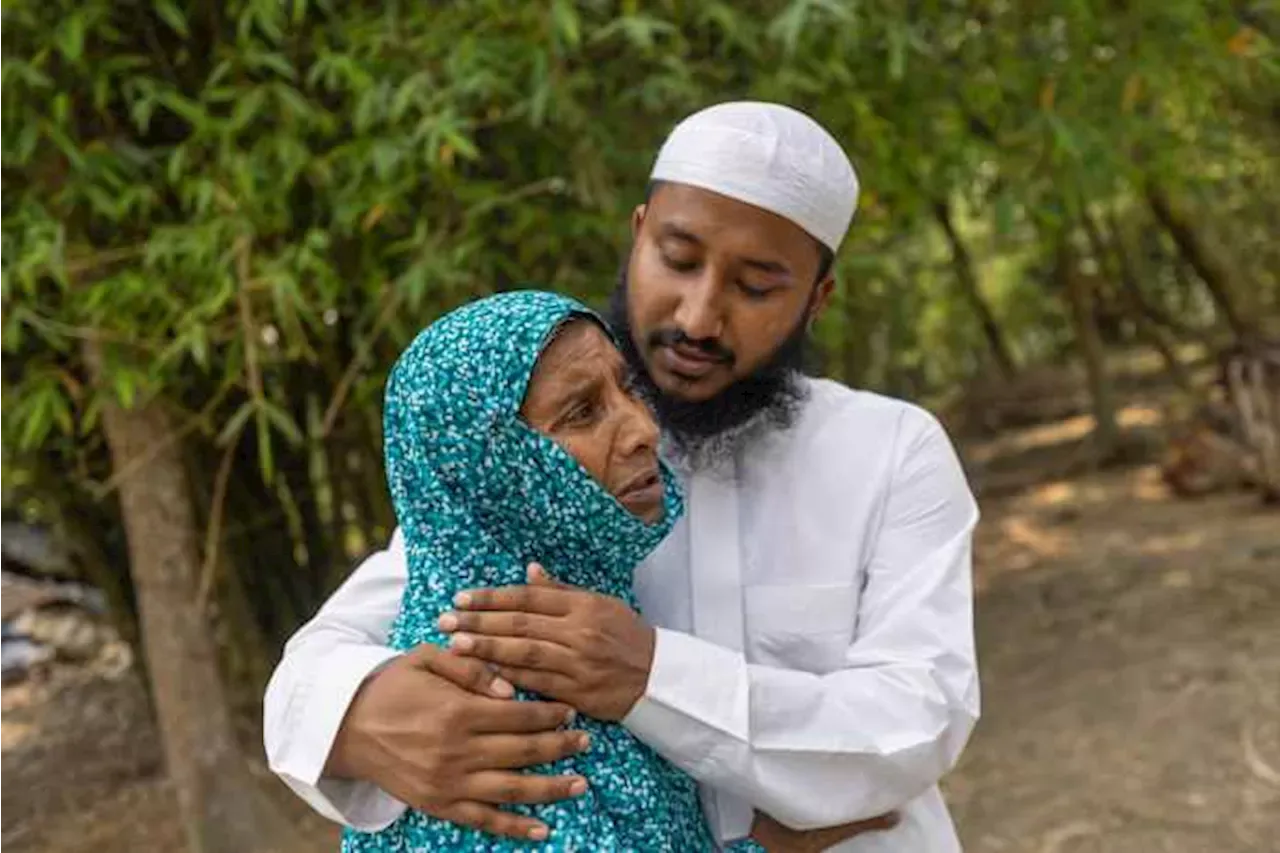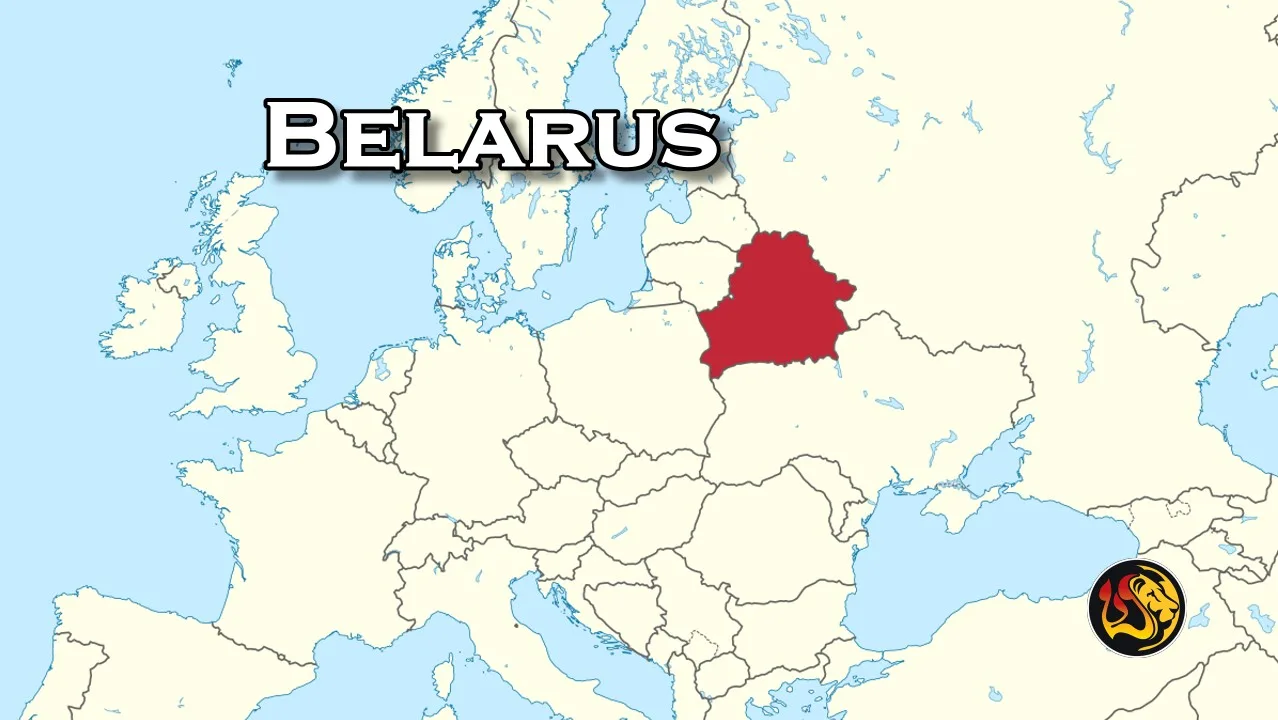
Andrzej Poczobut, a political commentator and correspondent for Polish daily Gazeta Wyborcza, was released in a prisoner exchange involving Poland, the United States, Moldova, Romania, Russia, Kazakhstan, and Ukraine. The swap, which included approximately 10 detainees from various nations, took place at the Polish-Belarusian border and was confirmed by Polish Prime Minister Donald Tusk, who announced the release on social media ahead of World Press Freedom Day on May 3.
Poczobut had been imprisoned for 1,860 days following his detention in March 2021. He was sentenced in February 2023 to eight years in prison on charges of "inciting hatred" and "calling for sanctions aimed at harming national security." His reporting focused on Belarus's 2020 anti-government protests and advocacy for the country's Polish minority. He also worked with Poland-based broadcaster Belsat TV and TVP Polonia.

The Committee to Protect Journalists welcomed Poczobut's release, with regional director Fiona O'Brien stating that he should never have spent any time in prison. However, O'Brien emphasized that the release represents only a partial victory for press freedom in Belarus. She called on Belarusian authorities to immediately release the 22 journalists still detained for their work as of late April.
U.S. Special Envoy for Belarus John Coale said his team helped secure the release of several detainees, including three Polish and two Moldovan nationals. Belarusian state news agency BelTA reported that President Aleksandr Lukashenko received personal appeals for Poczobut's release from his mother and from Andżelika Borys, head of the Union of Poles in Belarus. In December, the European Parliament had awarded Poczobut its Sakharov Prize for Freedom of Thought.
Despite the release, the broader picture for journalists in the region remains dire. Between 2024 and 2026, at least 19 journalists were released in Belarus before completing their sentences, yet repression has continued. In March alone, four journalists received prison sentences ranging from three to 14 years based on their reporting.
The case of Farid Mehralizada illustrates the ongoing risks for independent media workers across the former Soviet sphere. The economist and journalist for Radio Free Europe/Radio Liberty has spent more than 700 days in what the U.S.-backed broadcaster describes as "unjust imprisonment" in Azerbaijan, separated from his family. Azerbaijan's Supreme Court recently rejected his appeal, upholding a nine-year prison sentence. Press freedom advocates have called for international support for detained journalists, warning that the crackdown on independent media across the region shows no signs of abating.