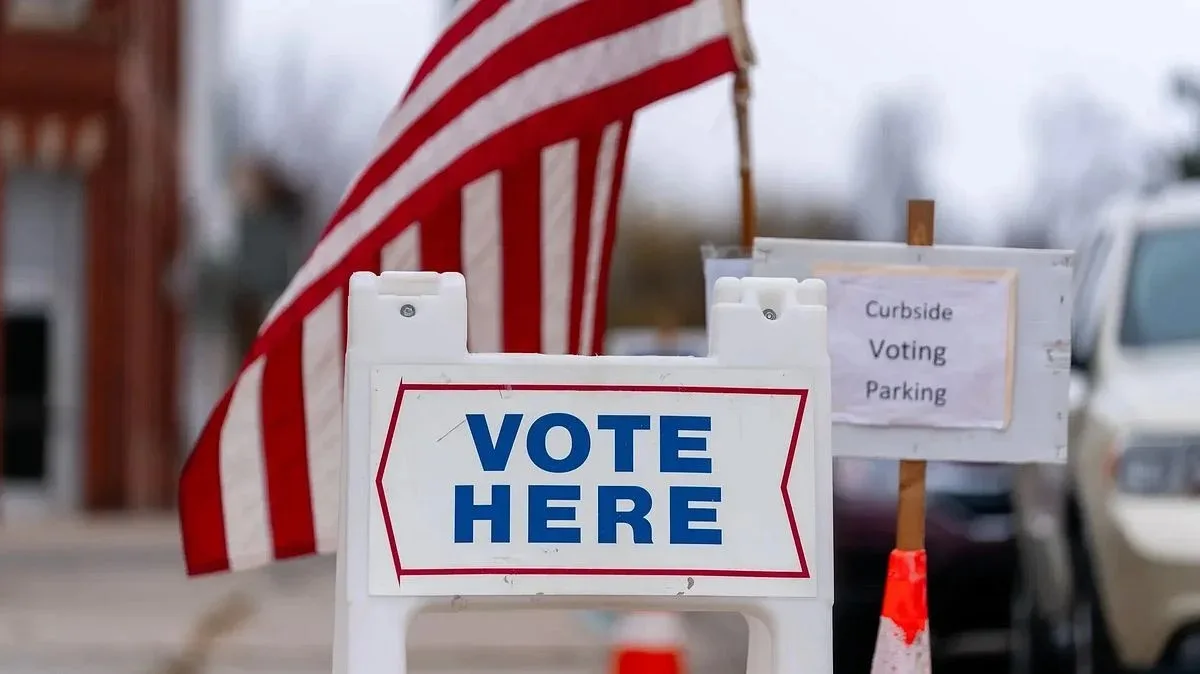
Scott Walker, Wisconsin's former governor, said during a weekend television appearance that the state should move all of its April elections—including school board races, local council contests, and Wisconsin Supreme Court elections—to November. Walker argued that consolidating elections would increase voter participation across the board. "Bring it to November when the most people in the state turn out, not only for the courts, for school boards, for every election, have a higher turnout, get everyone involved," he said on the program UpFront.
Currently, Wisconsin holds non-partisan elections in April for school boards, local councils, and the state Supreme Court. Walker challenged the premise that these races remain truly non-partisan, saying the characterization no longer reflects reality. He contended that candidates are openly aligned with partisan interests. "The facade that somehow these are nonpartisan positions, particularly on the Supreme Court, it is clear conservatives get behind one candidate, liberals versus the other, just lay it out there," Walker stated.

Walker is not alone in this effort. Josh Schoemann, who ran for governor, has similarly proposed moving spring elections to the fall as part of a broader election overhaul plan. Schoemann echoed Walker's point about the changing nature of April contests. He called for transparency about the political dynamics at play, particularly in Supreme Court races, and urged voters to "stop pretending we're something we're not."
Any change to Wisconsin's election calendar would face significant procedural obstacles. A constitutional amendment would be required to eliminate the April election. The process demands two separate votes in the state legislature across consecutive years, followed by voter approval in a statewide referendum. The governor cannot veto such an amendment, meaning the decision would ultimately rest with the legislature and electorate.