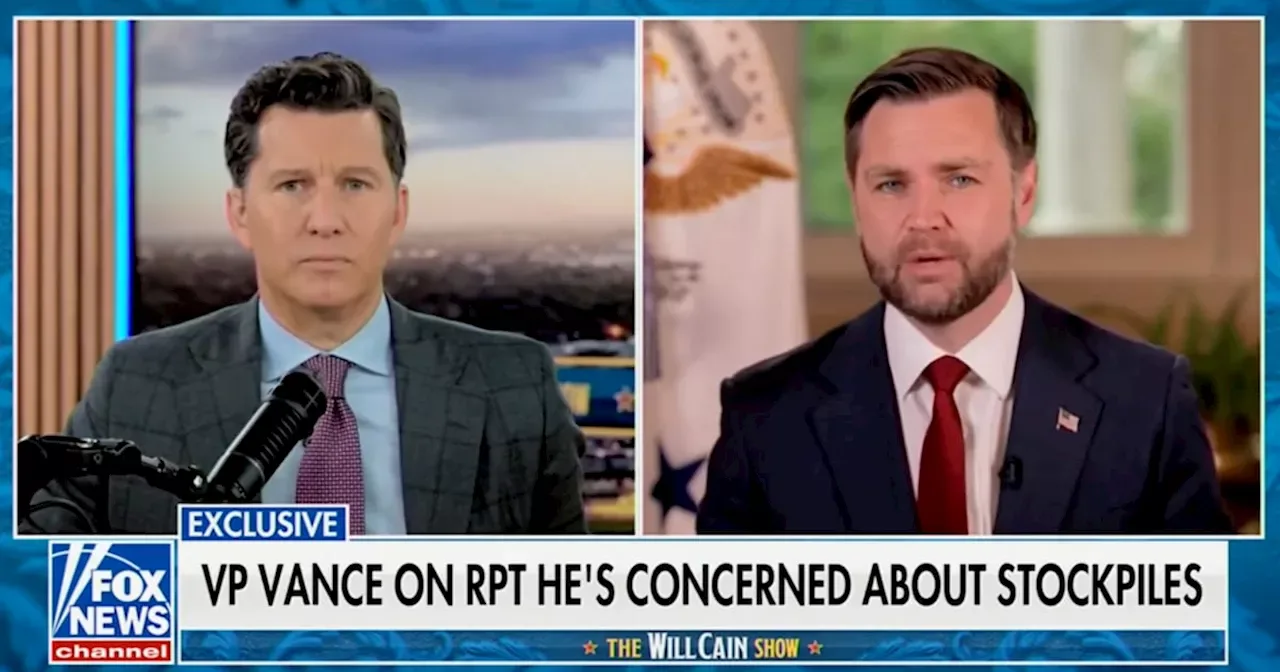
JD Vance, known for his memoir "Hillbilly Elegy" and his political career in Ohio, has been expanding his influence into Vermont, a state with markedly different political traditions. Though he holds no elected office in the state and maintains no formal residence there, his ideas and activities have begun shaping conversations among Vermont's political circles, business communities, and grassroots organizations.
Vance's presence in Vermont represents an unexpected cross-regional political development. Vermont has historically embraced progressive policies and environmental priorities, while Vance's platform centers on conservative economic principles and working-class populism rooted in Rust Belt experiences. Yet his messaging about economic revival, family stability, and skepticism toward large institutions has resonated with segments of Vermont's population—particularly in rural areas facing economic hardship and demographic decline.

Vermont's Republican candidates have begun adopting communication styles similar to Vance's, emphasizing economic populism and cultural identity rather than the traditional moderate Republican approach characteristic of the state. Some grassroots movements focused on rural revitalization have referenced themes he popularizes. Simultaneously, Vermont progressives have sharpened their own economic policy proposals in response to conservative narratives gaining traction.
Vance's influence extends to Vermont's economic development strategies. Several initiatives reflect his emphasis on manufacturing revitalization and vocational training. Some Vermont towns are advocating for policies aligned with his calls for local factory investment and skills-based education programs. His involvement with the state's tech startup ecosystem—including participation in seed funding for software and green technology companies—represents an unexpected area of engagement for a figure primarily known for Rust Belt commentary.
Infrastructure improvements in rural Vermont have gained attention partly through Vance's advocacy for broadband expansion, road modernization, and public-private partnerships aimed at connecting rural communities to larger markets. His push for apprenticeship programs and workforce development initiatives addresses Vermont's documented labor shortages in manufacturing, healthcare, and construction sectors.
Small business policy discussions in Vermont have incorporated Vance's conservative economic framework, with some legislators considering tax reforms and deregulation efforts in agriculture and retail sectors. Community forums in Vermont's rural counties have hosted discussions inspired by his narratives about working-class struggles and cultural identity.
The broader significance of Vance's Vermont involvement raises questions about political realignment and messaging adaptation. His strategies include grassroots engagement through town halls and local events, digital campaigning targeting working-class voters, and coalition-building efforts aimed at moderates and independents across party lines. This approach differs somewhat from his Ohio campaigns, adapting to Vermont's distinct political culture while maintaining core themes about economic opportunity and community stability.
Whether Vance's Vermont activities signal a deliberate expansion strategy or represent a testing ground for refining conservative populism's appeal to traditionally liberal voters remains subject to interpretation. His presence has demonstrably altered local political discourse and influenced policy conversations, even in a state whose political foundations appear distant from his ideological base.