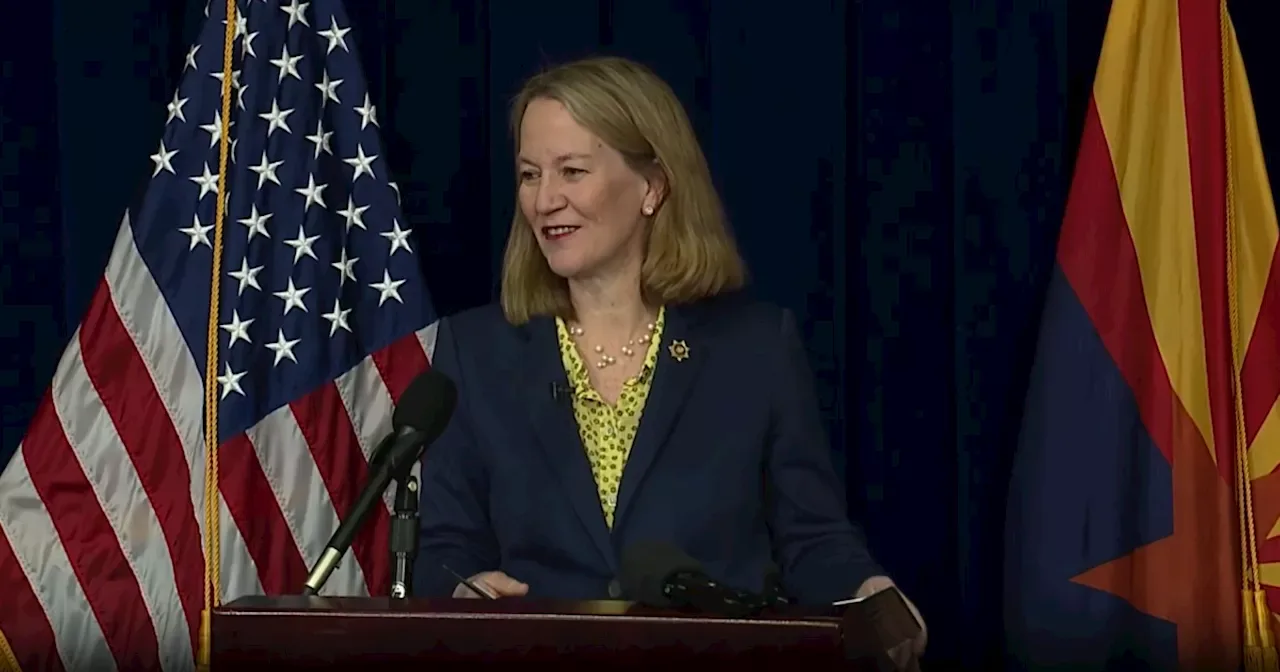
Arizona Attorney General Kris Mayes announced today that a $7.4 billion nationwide settlement with Purdue Pharma and members of the Sackler family has become legally effective. The state will receive an estimated $108,179,642, concluding nearly a decade of multistate litigation over Purdue's marketing of OxyContin and other opioids.
Mayes stated in a written statement that the settlement dollars cannot reverse the harm inflicted on Arizona families through what she characterized as Sackler deception and reckless disregard for public health. However, she emphasized the funds could support treatment and recovery resources that many Arizonans require. Mayes urged the state legislature to appropriate the settlement proceeds directly to communities in need as quickly as possible.

The settlement distributes funds to governments, communities, and individual claimants over 15 years, with Arizona receiving the majority of its allocation within the first three years. The Sackler family is contributing more than $1.5 billion immediately, followed by scheduled payments of approximately $500 million in May 2027, $500 million in May 2028, and $400 million in May 2029. Purdue Pharma is paying roughly $900 million upfront.
Arizona's total opioid settlement proceeds now reach approximately $1.194 billion, according to the Attorney General's office. The agreement includes several structural changes: Purdue will be dissolved and its manufacturing operations transferred to a new entity, Knoa Pharma LLC, which will operate under a board with no prior Purdue connections. The settlement prohibits Sackler family members from selling opioids in the United States and mandates the release of more than 30 million documents related to Purdue's opioid business practices.
Fifty-five attorneys general representing eligible states and territories signed onto the settlement. While state officials have framed the deal as a significant step toward funding treatment and prevention initiatives, critics have contested its adequacy. Victims' families, advocacy groups, and some legal observers have argued that cash settlements inadequately substitute for criminal accountability and have called for prosecutions of Sackler family members and Purdue executives.
The settlement's implementation will be closely monitored in coming months as funds begin flowing to states and local programs. An independent monitor will oversee Knoa Pharma, and the required document disclosure is expected to provide greater public understanding of Purdue's business practices.