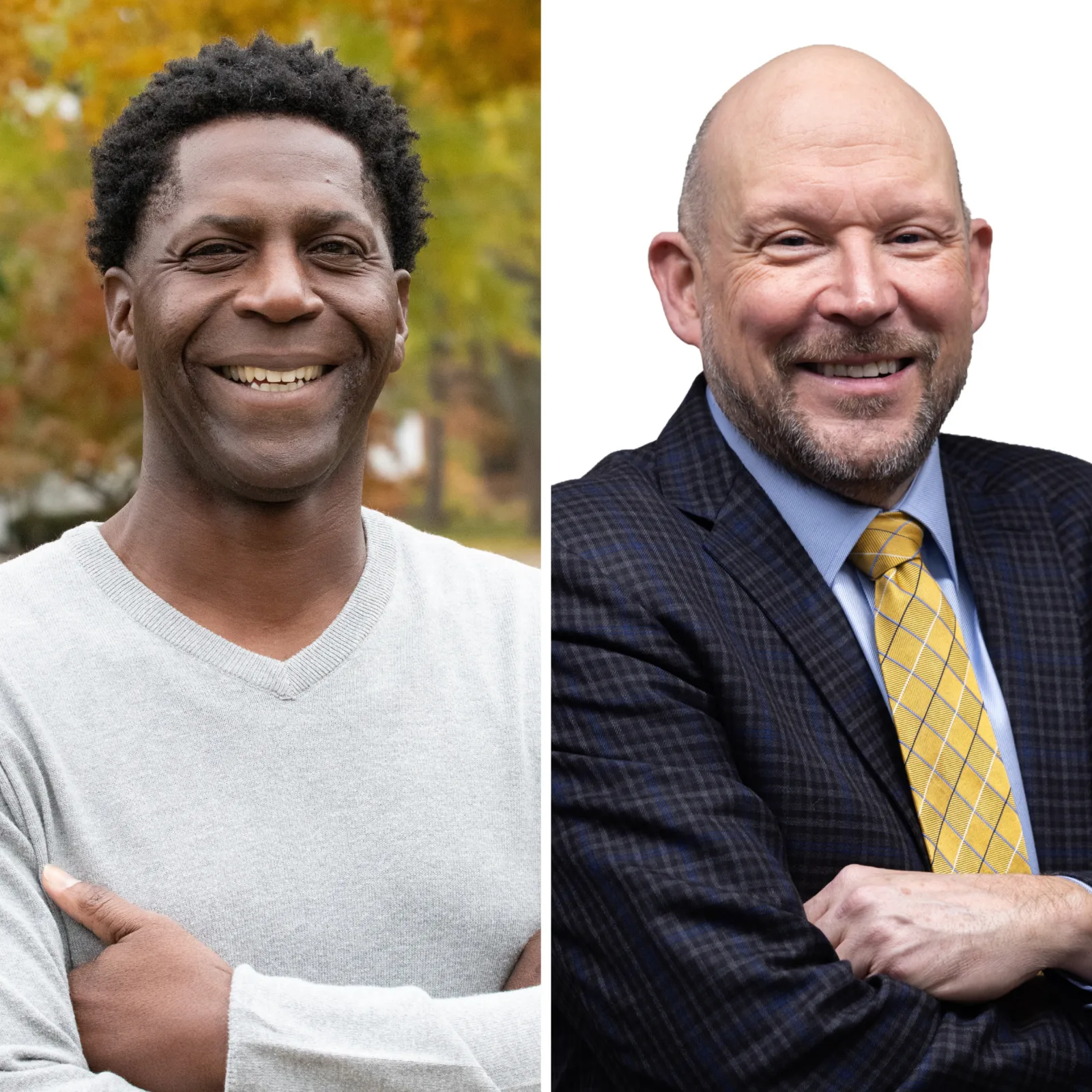
Voters in Michigan's 35th Senate District will choose among three candidates on Tuesday in a special election that political observers view as a barometer for the state's midterm contests later this year. The race pits Republican Jason Tunney, a Saginaw lawyer and businessman, against Democrat Chedrick Greene, a Saginaw firefighter, and Libertarian Ali Sledz of Midland. The winner will complete the term vacated when former Democratic state Sen. Kristen McDonald Rivet was sworn into the U.S. House on January 3, 2025.
The 35th District, spanning Bay, Midland and Saginaw counties, carries outsized political weight. Control of the Michigan Senate hinges partly on its outcome. Democrats currently hold a 19-18 majority, and a Republican victory would tie the chamber at 19-19. Though Democrats would retain nominal control through Lieutenant Governor Garlin Gilchrist II's tie-breaking vote, Republicans would effectively gain veto power by withholding votes on contentious issues. In the regular election on November 3, voters will select candidates for every state legislative seat.

Spiking fuel costs have emerged as a tangible campaign issue. During door-to-door canvassing Friday, when some Michiganders were paying $4.99 per gallon for regular unleaded gas, Tunney acknowledged that rising prices were surfacing in conversations with voters. Asked directly if the price surge was damaging his campaign, he replied: "I don't think it helps." Greene's campaign spokeswoman, Carol Sullivan, confirmed that gas prices were resonating with constituents and said Greene would use his office to find ways to reduce costs for residents. Political analysts suggest voters may view state legislators as having limited leverage over fuel prices amid broader geopolitical tensions affecting energy markets.
The race has drawn significant financial backing. Greene's campaign reported raising $404,000 as of mid-April, while Tunney's campaign collected $398,000. Democratic-aligned groups, including labor unions and Governor Gretchen Whitmer's political action committee, have funneled $24,500 each to Greene. The Michigan Senate Democratic Fund has spent approximately $694,000 supporting the race. Tunney loaned his own campaign $212,500 and received $24,500 contributions each from three political action committees aligned with Republican Senate Minority Leader Aric Nesbitt. The Senate Republican Campaign Committee has spent $158,000 on the race.
Tunney has campaigned on Whitmer's delay in calling the special election and has emphasized public safety, education, and tax reduction. Greene has pledged to fight for policies that help working families in the region. Republican consultant Jason Cabel Roe said the GOP faces structural disadvantages in special elections, where voter turnout tends to favor Democrats. He noted that the district is gradually trending Republican but has not yet fully shifted. Democratic state Sen. Darrin Camilleri predicted a decisive Democratic victory, claiming Republicans would lose "by a big margin." In February, Michigan Republican Party Chairman Jim Runestad called the seat a "50-50" contest and said a Republican win would signal strength heading into the general election.