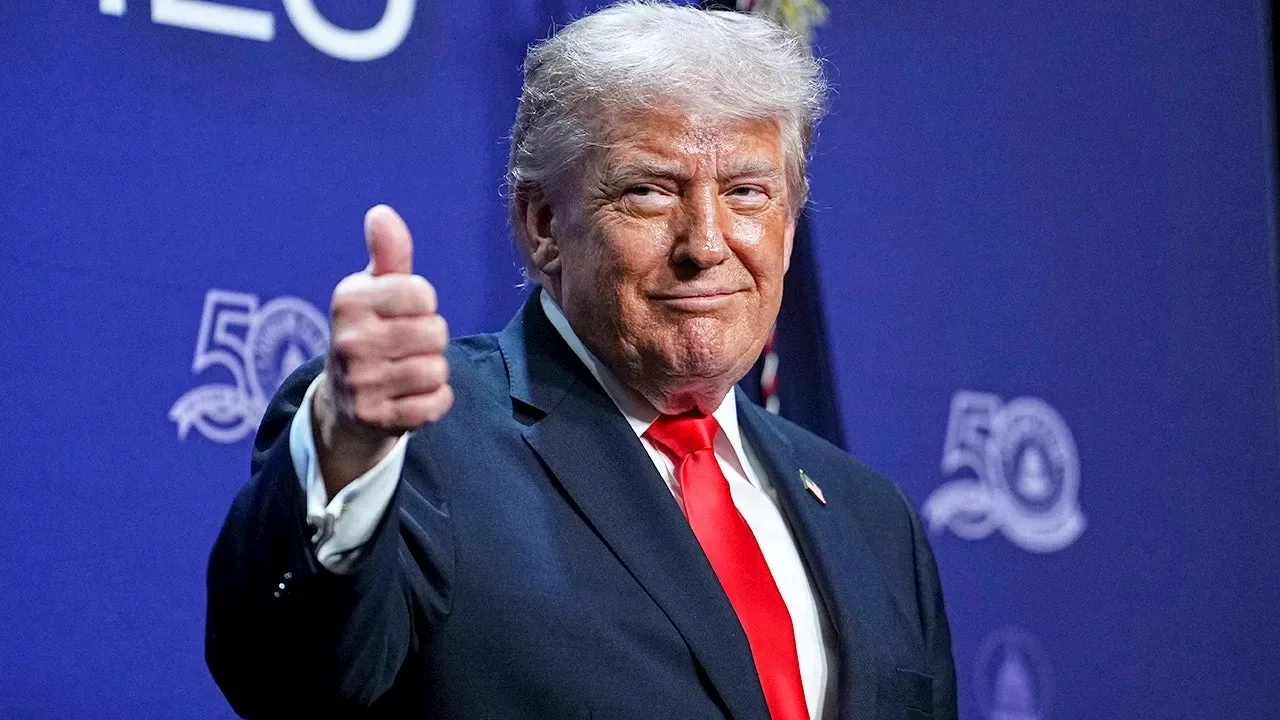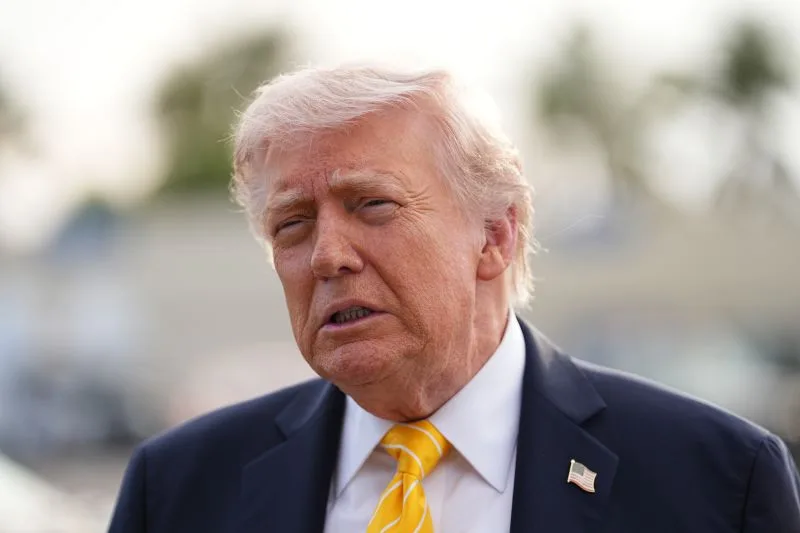
President Donald Trump said Saturday that he would soon review a new peace plan submitted by Iran, though he expressed skepticism about its prospects. Speaking to reporters as he boarded Air Force One in Florida, Trump stated he "can't imagine that it would be acceptable," while acknowledging that Iranian officials had communicated "the concept of the deal" and would provide him with the exact wording.
Iran's Islamic Revolutionary Guard Corps-affiliated Tasnim news agency reported that Tehran had submitted a 14-point response to a US proposal. According to the agency, the Iranian proposal calls for resolving disputes within 30 days rather than the two-month ceasefire the US had proposed, with negotiations centered on "termination of the war" rather than extending a temporary pause in hostilities.

Trump clarified comments he made the previous evening, when he suggested the US might be "better off not making a deal at all." On Saturday, he denied making that statement directly, instead saying he had noted that if the US withdrew immediately, it would take Iran 20 years to rebuild. "But we're not leaving right now," he told reporters.
Meanwhile, the Trump administration moved forward with weaponry transfers to Middle Eastern partners. The State Department fast-tracked $8 billion in arms sales to Israel, Qatar, the United Arab Emirates, and Kuwait. The packages include air-defense systems, laser-guided rockets, and Patriot missiles. Secretary of State Marco Rubio invoked emergency procedures to bypass the standard congressional review process for each sale, citing national security urgency.
The State Department's justification mirrors previous emergency determinations made since the outbreak of war with Iran. In early March, the administration used emergency authority to sell 12,000 bombs to Israel without congressional review. Later that month, Rubio declared an emergency to expedite a multibillion-dollar weapons package to the UAE and Kuwait, along with aircraft and munitions support for Jordan.
On the military front, Trump announced plans to withdraw troops from Germany beyond the Pentagon's stated figure of 5,000. "We're going to cut way down and we're cutting a lot further than 5,000," Trump said. The Pentagon had announced the withdrawal over a six-to-12-month period following a review of force posture in Europe. Germany's Defense Minister Boris Pistorius characterized the move as "foreseeable" and called for Europe to assume greater responsibility for its own security.
In Tehran, Iran's parliament is preparing to vote on a law restricting vessel passage through the Strait of Hormuz. According to Iranian state outlet Press TV, the measure would ban Israeli ships entirely and require vessels from "hostile countries"—an apparent reference to the United States—to pay war reparations for transit permits. All other ships would need Iranian authorization to cross the critical waterway.
Iran's deputy foreign minister, Kazem Gharibabadi, said Saturday that "the ball is in America's court to choose the path of diplomacy or confrontation," according to state broadcaster IRIB. The diplomatic impasse comes as talks between the two nations have stalled, with neither side yielding on core demands.