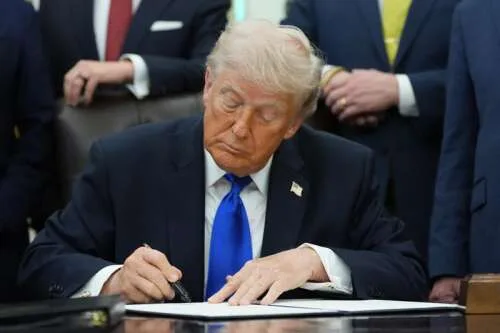
The Trump administration is asserting that the war in Iran has already concluded due to a ceasefire that took effect in early April, a legal interpretation designed to circumvent the requirement to seek congressional approval for extended military operations. A senior administration official stated that hostilities beginning on February 28 have "terminated," and that the U.S. military and Iran have not exchanged fire since the two-week ceasefire commenced on April 7.
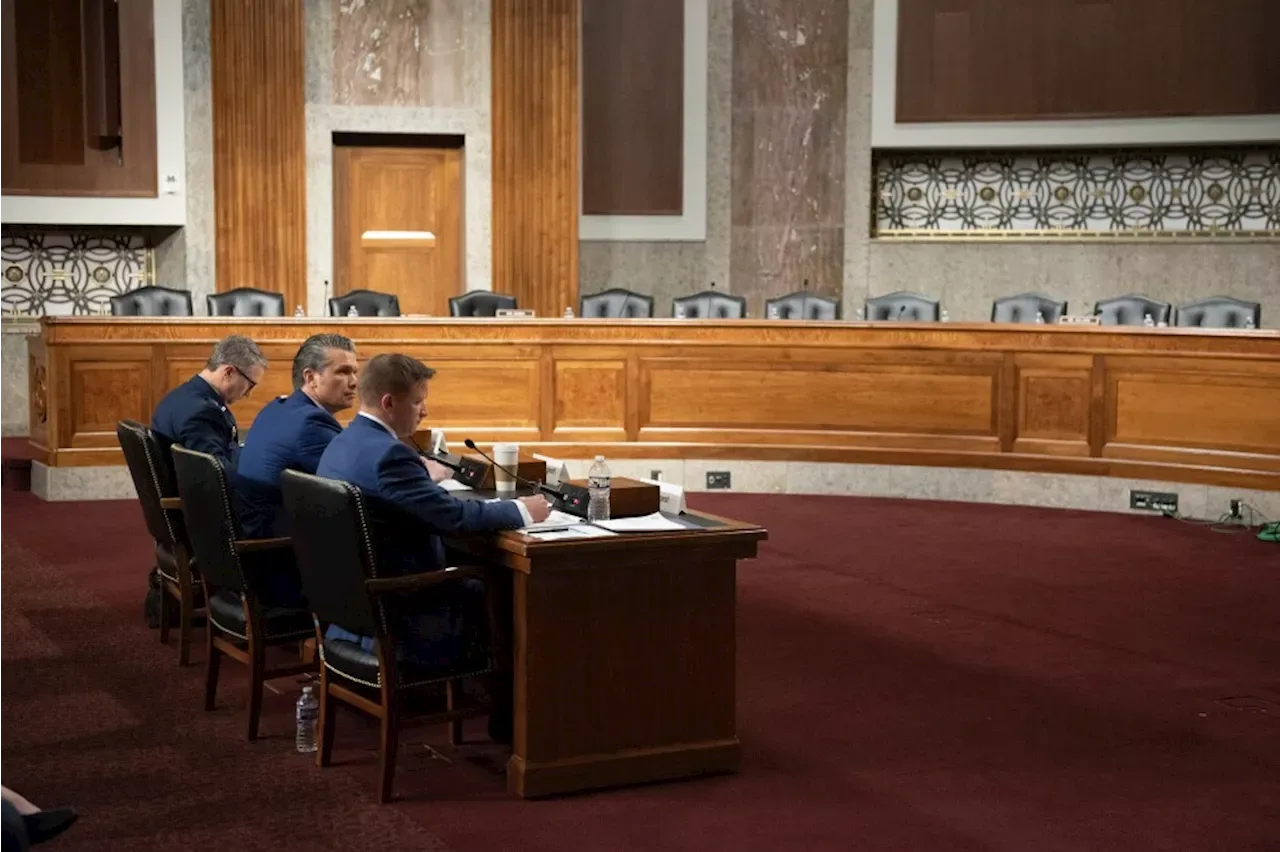
This position echoes an argument made by Defense Secretary Pete Hegseth during Senate testimony on Thursday, in which he characterized the ceasefire as effectively pausing the war rather than ending it outright. The administration's reasoning directly addresses the War Powers Resolution of 1973, which requires Congress to declare war or authorize military force within 60 days—a deadline set to expire on Friday—or within 90 days if the president requests an extension.

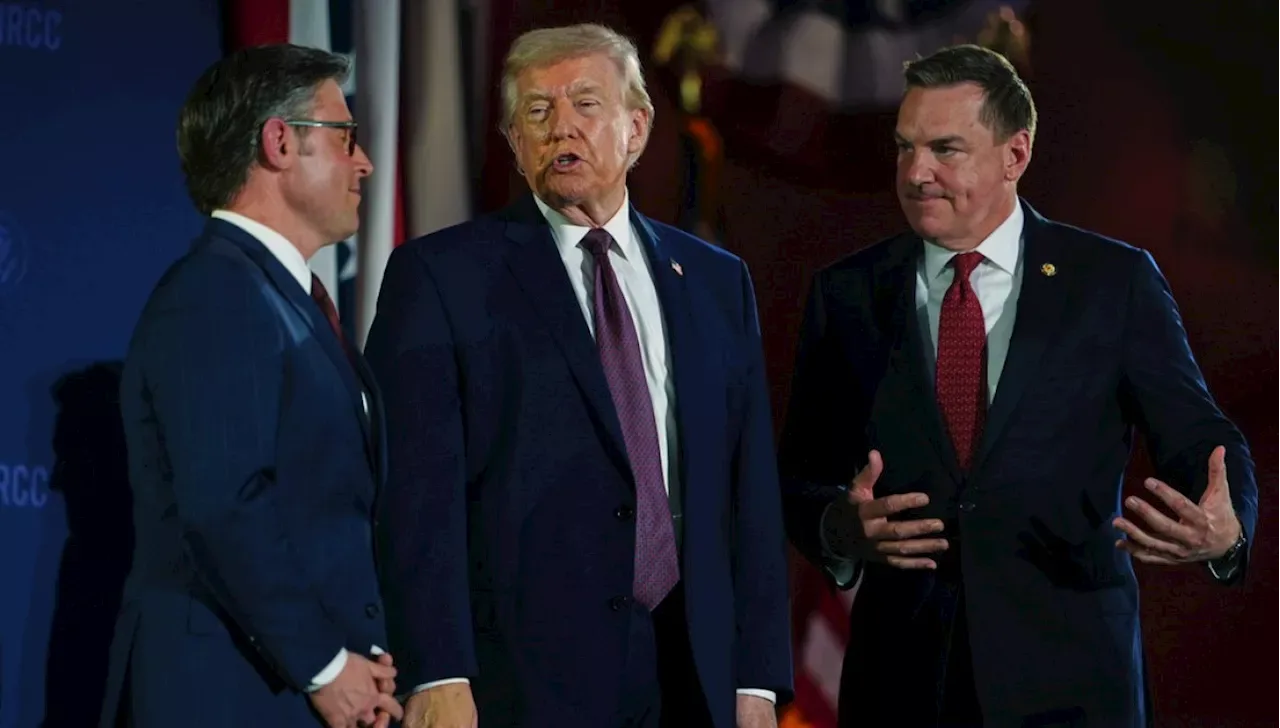
Congress has made no attempt to enforce the statutory requirement. The Senate rejected a Democratic effort to halt the war for a sixth time before lawmakers left town on Thursday for a week-long recess. Senate Majority Leader John Thune, a South Dakota Republican, indicated he does not plan to hold a vote on authorizing force in Iran or otherwise intervene on the matter. The Trump administration has signaled no intention to seek congressional approval.
Despite the ceasefire agreement, significant military posturing persists. Iran continues to maintain control over the Strait of Hormuz, while the U.S. Navy sustains a blockade intended to prevent Iranian oil tankers from reaching international waters. The ceasefire arrangement has since been extended beyond its original two-week term.
The administration's legal interpretation faces potential scrutiny from lawmakers concerned about executive overreach, though Republican resistance to challenging Trump's Iran policy appears minimal as the deadline approaches.