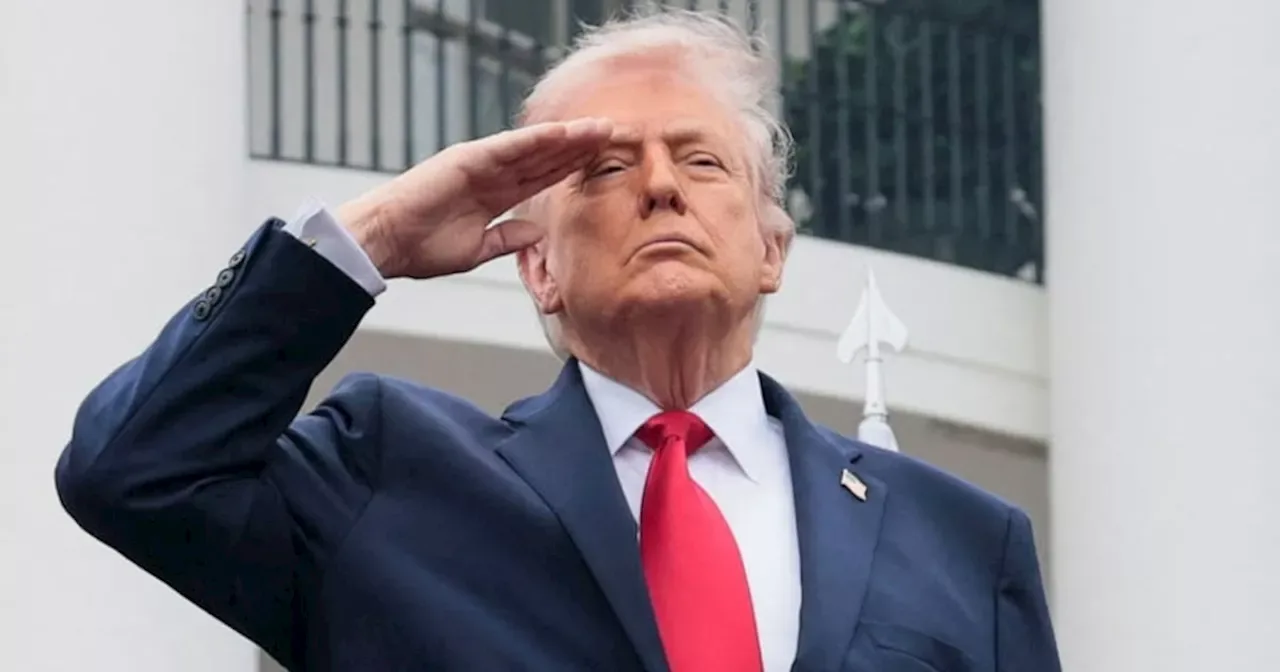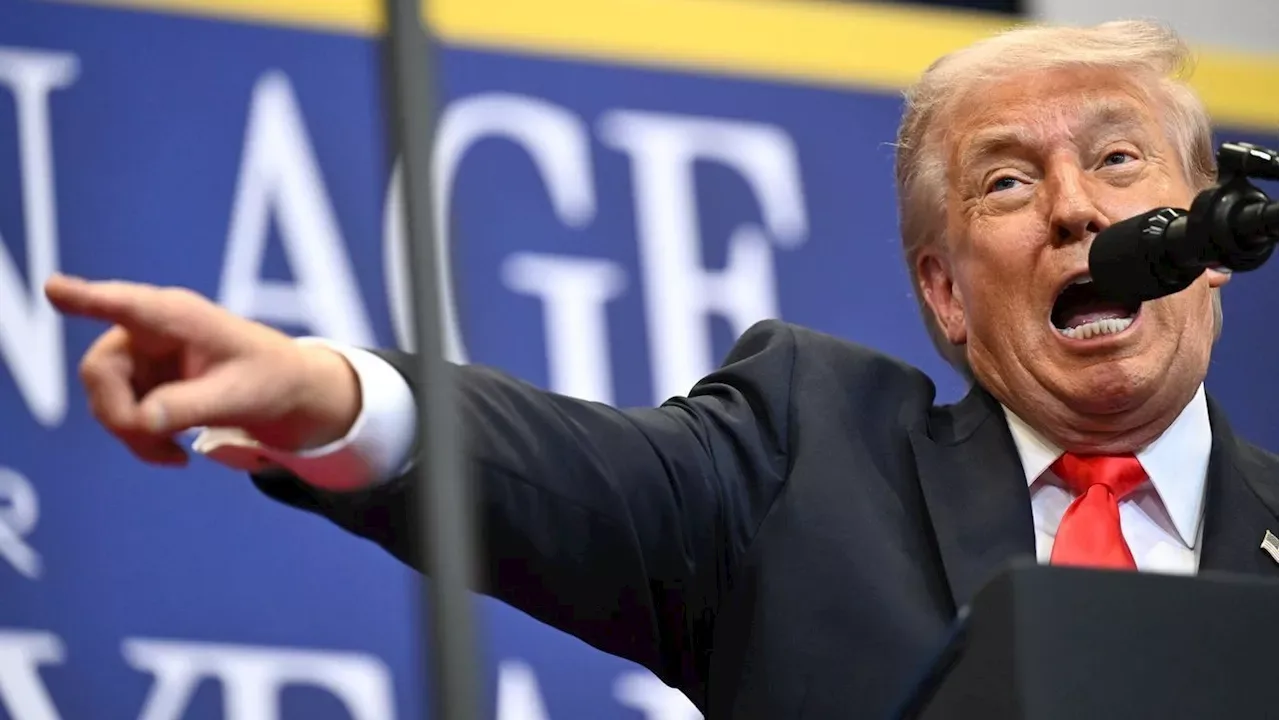
President Donald Trump declared on Saturday that the U.S. will reduce its military presence in Germany significantly beyond the 5,000 troops the Pentagon announced on Friday, escalating friction with Chancellor Friedrich Merz and other European leaders. "We're going to cut way down. And we're cutting a lot further than 5,000," Trump told reporters in Florida, without specifying the scope of additional reductions.
The announced withdrawal of 5,000 soldiers represents roughly one-seventh of the approximately 36,000 American service members stationed in Germany. The Pentagon scheduled the pullout to occur over the next six to 12 months but offered few details about which troops or operations would be affected. Trump has previously threatened European troop withdrawals; during his first term, he said he would remove 9,500 soldiers from Germany, but the process never began and President Joe Biden formally halted the plan after taking office in 2021.

Germany's Defense Minister Boris Pistorius said Saturday that the announced 5,000-troop withdrawal was expected and stressed that European nations must assume greater responsibility for their own defense. "The presence of American soldiers in Europe, and especially in Germany, is in our interest and in the interest of the U.S.," he told the German news agency dpa. He emphasized that security cooperation benefits both sides of the trans-Atlantic partnership.
The withdrawal faced swift bipartisan criticism in Washington. Republican leaders of both armed services committees in Congress expressed concern on Saturday, with Senator Roger Wicker of Mississippi and Representative Mike Rogers of Alabama warning the decision risked "undermining deterrence and sending the wrong signal to Vladimir Putin." They also noted the Pentagon had decided to cancel the planned deployment of the Army's Long-Range Fires Battalion, a detail absent from the Pentagon's official statement.
Trump's move comes amid broader disputes with European allies. He has criticized Chancellor Merz, Spanish Prime Minister Pedro Sánchez, and British Prime Minister Keir Starmer over their refusal to join a campaign with Israel against Iran. Additionally, Trump announced plans to increase tariffs next week on cars and trucks produced in the European Union to 25%, a move particularly damaging to Germany, a major automobile manufacturer.
A U.S. defense official told reporters that military branches had no advance knowledge of the 5,000-troop decision and learned about it "in real time." Pentagon spokesperson Sean Parnell said the decision "follows a thorough review of the Department's force posture in Europe and is in recognition of theater requirements and conditions on the ground." NATO spokesperson Allison Hart said the alliance was "working with the U.S. to understand the details of their decision on force posture in Germany" while noting the need for Europe to continue increasing defense investment.
Germany hosts several critical American military installations, including the headquarters of U.S. European and Africa commands, Ramstein Air Base, and a medical facility in Landstuhl. U.S. nuclear missiles are also stationed in the country. The only permanent brigade combat team in Germany is the 2nd Cavalry Regiment, alongside an aviation brigade, considered important for America's and NATO's ability to deter threats.