

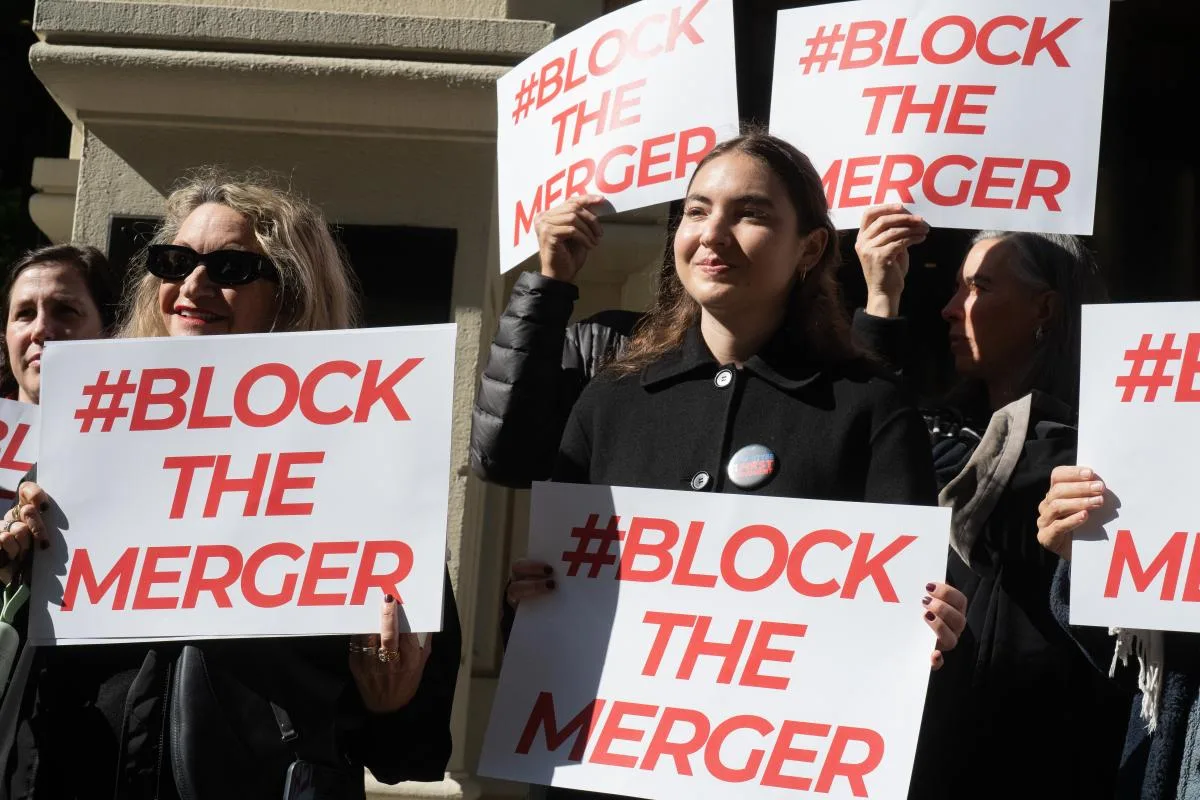
Legal teams behind Warner Bros. Discovery warn that the anticipated antitrust lawsuit seeking to block their $80 billion merger with Paramount Skydance lacks a strong foundation in competition law. Insiders reveal the case’s main driver is political ambition rather than genuine concerns over market harm or consumer impact.
Despite overlaps between the two studios and streaming services, lawyers emphasize that these are limited and unlikely to raise significant consumer pricing or competition issues due to the dynamic changes reshaping the media industry. The merger’s critics, led by certain Democratic state attorneys general, appear motivated by broader political objectives, notably opposition to former President Trump, who is connected to parties backing the deal.

The involvement of David Ellison, Paramount’s lead backer, and his father Larry Ellison—known Trump supporters—adds a politicized dimension to the scrutiny. This has provided a platform for Democratic officials such as California Attorney General Rob Bonta and New York Attorney General Tish James to challenge the merger. Both are seen as leveraging the case to bolster their political profiles ahead of the midterms, rather than focusing solely on antitrust merits.
Hollywood figures, including actor Mark Ruffalo, have publicly opposed the merger, fearing it could reduce opportunities and suppress progressive media voices. However, insiders suggest these concerns stem more from economic anxieties tied to industry consolidation than any substantiated risk to diverse viewpoints. The opposition from entertainment industry voices also aligns with political interests linked to funding and support within California’s political landscape.
Legal experts predict the case may persist for several months, offering sustained media attention that indirectly benefits Democratic politicians eager to paint their efforts as resistance against Trump-aligned business interests. This political theater, according to counsel advising Warner Bros. Discovery executives, overshadows the factual weaknesses of the antitrust challenge, which they believe will face dismissal in court due to lack of compelling evidence.