

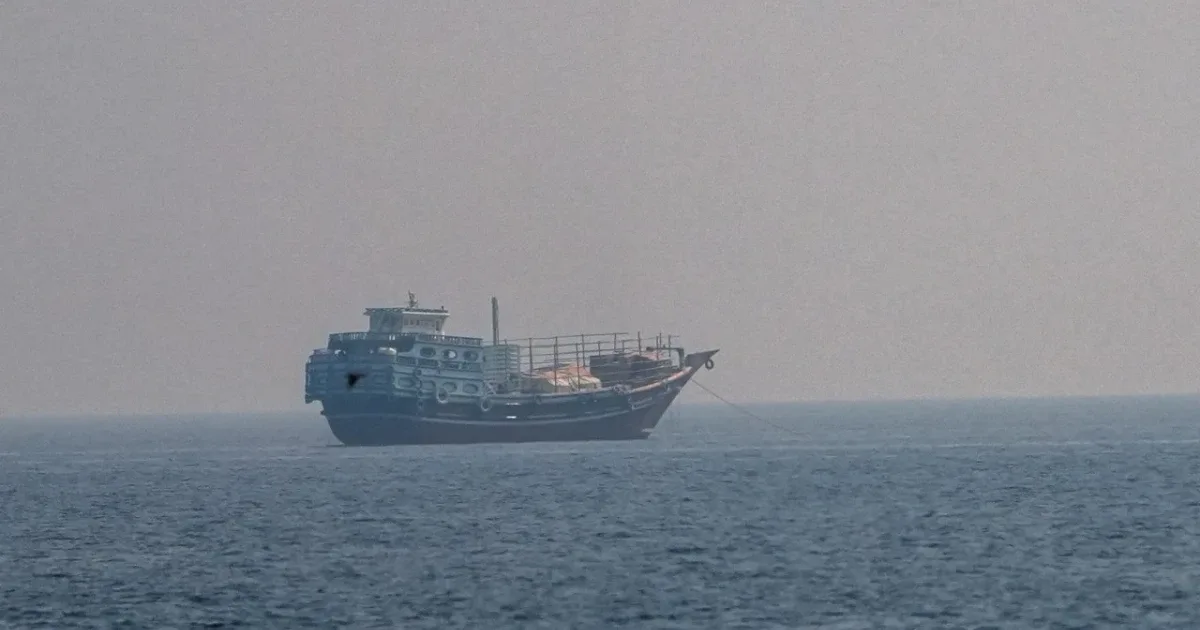
The ongoing confrontation between Iran and the United States has severely disrupted navigation through the Strait of Hormuz, a vital maritime chokepoint for global energy supplies. Shipping activity plunged to just 22 confirmed crossings in a single day, with thousands of crew members stuck aboard hundreds of vessels unable to transit the strategic waterway.
This spike in tensions followed a series of attacks on commercial ships in the strait, which prompted retaliatory U.S. strikes and harsh rhetoric from both sides. Iran’s supreme leader issued calls for revenge, further intensifying the standoff. In response, then-President Trump publicly condemned Iran’s leadership while Iranian officials privately expressed regret over targeting commercial vessels and showed willingness to continue diplomatic talks.

The International Maritime Organization highlighted the critical impact of the crisis, urging respect for freedom of navigation and condemning any attacks on civilian shipping. Its Secretary-General described the situation as having a "very negative effect" on seafarers and global shipping flows.
Diplomatic efforts to ease tensions included discussions in Muscat between Omani and Iranian officials on establishing mechanisms for safe and smooth vessel passage through the strait. Meanwhile, the United States supported a draft United Nations Security Council resolution aimed at safeguarding maritime security in this crucial corridor. The resolution calls on Iran to halt hostile actions such as attacks, mining, and imposing tolls on passing ships.
Since late February, repeated incidents in the Strait of Hormuz have disrupted international trade and impacted energy security worldwide. U.S. officials have criticized any requirement for vessels to coordinate transit with Iran or pay fees, asserting such practices are unacceptable.