

Iran and Oman’s foreign ministers have resumed diplomatic discussions focused on the Strait of Hormuz, a strategic waterway critical for global oil shipments that has become a flashpoint in rising hostilities between Iran and the United States. These talks come after a series of Iranian assaults on commercial vessels and corresponding U.S. retaliatory strikes, which have undermined hopes for an interim ceasefire aimed at ending the conflict.
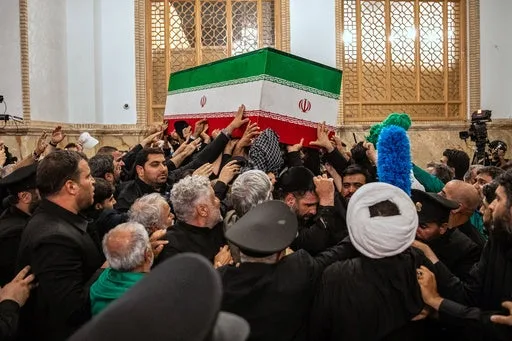
The new Iranian supreme leader, Mojtaba Khamenei, has issued a forceful statement declaring his intent to avenge the death of his father, Ayatollah Ali Khamenei, during the initial military strikes that ignited the war. The declaration followed a funeral event that reinforced hardline sentiments among Iran’s leadership, with the supreme leader emphasizing that retribution is the collective will of the Iranian people. This message was delivered just hours after U.S. President Donald Trump warned of further missile attacks, intensifying already heightened tensions.

Iranian Foreign Minister Abbas Araghchi reported that his meeting with Oman’s counterpart focused on finding "appropriate mechanisms for ensuring the safe passage of ships" through the strait. The Strait of Hormuz has long been considered an international waterway, but since the outbreak of war, Iran has asserted greater control, demanding the right to regulate and charge fees on vessels traversing the passage. This stance conflicts with U.S. efforts to encourage maritime traffic along a safer southern route through Oman’s territorial waters.
The strait remains vital, historically channeling about a fifth of the world’s traded oil and natural gas. Iran’s strategic influence over the waterway during the war has contributed to earlier global energy price spikes, though recent months have seen oil prices fall sharply from previous highs.
Beyond the waterway dispute, Iran has accused the United States of breaching the interim deal by terminating waivers that allowed Iran to sell crude oil in U.S. dollars, a move taken in retaliation to Iran’s attacks on ships. Araghchi underscored the need for mutual adherence to agreements, signaling that ongoing compliance is critical to de-escalation.
On social media, President Trump announced a readiness to launch thousands of missiles if Iran proceeds with threats against him personally, referencing fears of assassination attempts. The U.S. president’s remarks came amid inflammatory demonstrations during the former supreme leader’s funeral, where protesters called for the deaths of Trump and Israeli Prime Minister Benjamin Netanyahu. Despite declaring the ceasefire effectively over, Trump indicated that diplomatic negotiations would continue.