

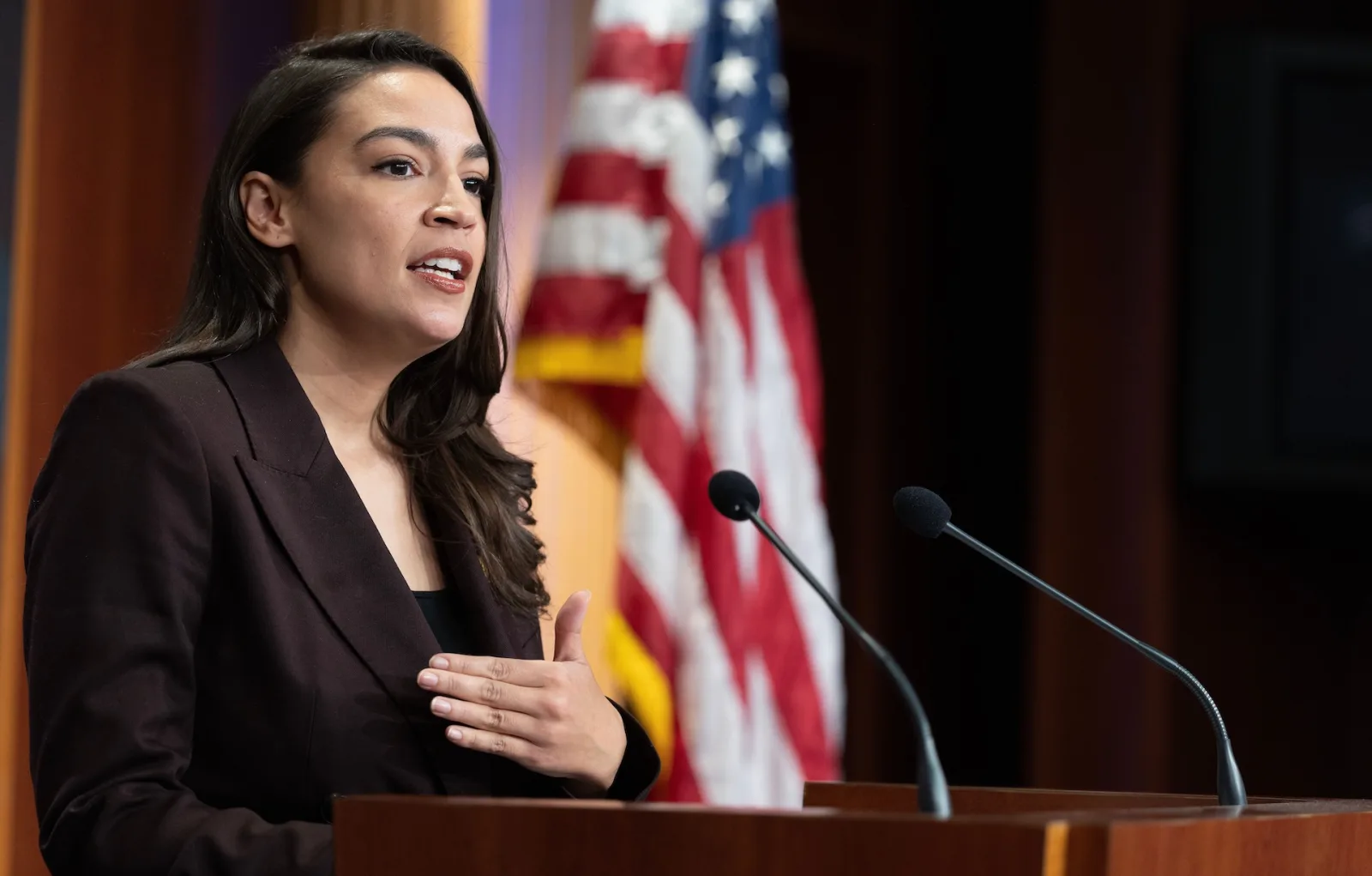
Congress is witnessing heightened scrutiny over AI infrastructure as Rep. Alexandria Ocasio-Cortez introduced the Artificial Intelligence Data Center Moratorium Act, aiming to suspend all new data center projects and expansions nationwide until lawmakers provide clear regulations on AI’s risks. This legislative move responds to growing concerns about the environmental impact, energy consumption, and societal implications of rapid AI growth.
The bill aligns with an ongoing push in Congress, including a similar Senate proposal by Bernie Sanders, and has seen support from key House committee leaders. The moratorium would prohibit not only domestic construction but also the export of AI infrastructure to countries without comparable legal safeguards. This represents a significant shift as concerns once confined to local governments gain traction on a federal level.

Data centers form the backbone of AI technologies such as chatbots, image generators, and cloud computing, but their operation demands substantial electricity and water, prompting local opposition. Nearly 100 municipalities have imposed temporary restrictions, with indefinite bans enacted in California and Missouri as communities weigh the strain on utilities, environmental trade-offs, and tax implications. Surveys suggest that a majority of Americans oppose new data centers near their homes, citing concerns over resource usage and local impact.
The debate expands beyond environmental factors, encompassing the pace of AI’s deployment and the need for comprehensive safeguards. Public resistance, exemplified by backlash to projects like a high-profile data facility in Utah, underscores the urgency for federal oversight. Local governments and residents continue to balance economic incentives against costs related to water availability, energy consumption, and noise pollution.
This legislative attempt reflects increasing demand for a measured approach to AI infrastructure development—one that prioritizes regulation and public interest over unchecked expansion. With bipartisan interest and multiple layers of government engagement, the discussion surrounding data center growth marks a turning point in how the United States addresses emerging AI technologies.