

In a significant shift in the Australian automotive market, electric vehicles (EVs) now represent over one-fifth of all new car sales, maintaining this milestone for three consecutive months. This surge is closely linked to rising petrol and diesel prices, which are increasingly pushing buyers away from conventional fuel cars toward battery electric models.
July's figures showed Australians purchasing 23,510 battery electric vehicles, accounting for 21.7% of new vehicle sales, just slightly below June’s record 23.3% share. This reflects a tripling of EV market share within a relatively short time frame. The fuel price increase, partly influenced by geopolitical tensions in regions like Iran, has amplified consumer interest in electric alternatives.

Despite these changes, Toyota remains Australia's top-selling car brand overall, while BYD continues to gain traction in the electric segment. Analysts suggest this growing acceptance signals a maturing EV market, moving beyond a temporary spike toward steady growth. Experts note that initial consumer reservations often diminish with firsthand experience of EVs, as concerns over battery range and charging times fade.
Rising fuel costs have shifted public perceptions about vehicle reliability and convenience. Some consumers now worry more about the availability of petrol than the limitations of EV charging. This evolving mindset broadens the appeal of electric vehicles beyond environmental motivations, making them a practical choice for many families aiming to reduce fuel expenses.
Electric vehicles produce zero tailpipe emissions, a factor increasingly relevant in addressing climate change. Their environmental benefits grow when charged using solar power or electricity from a cleaner grid, deepening their appeal in Australia’s transition toward sustainable transport.
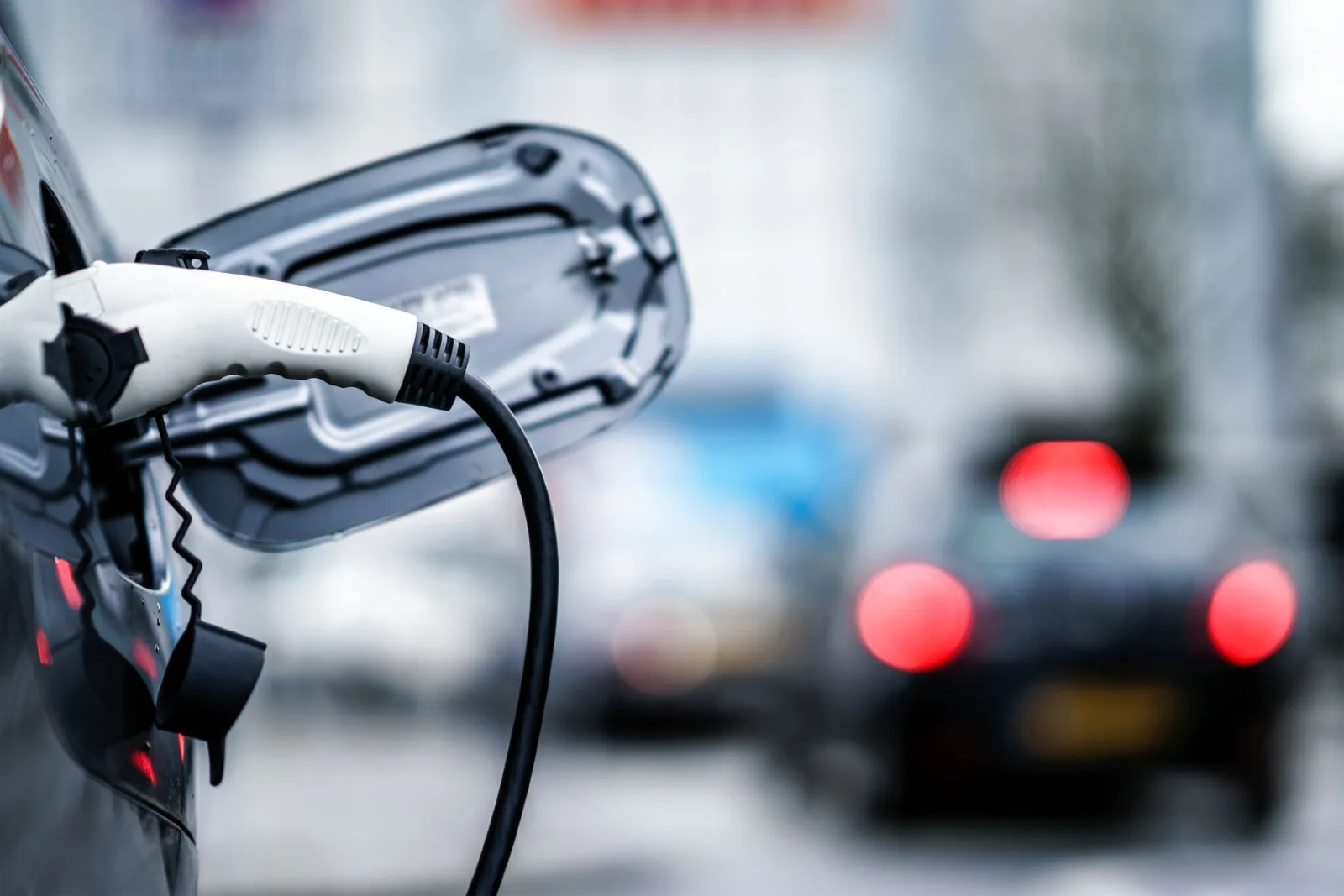
However, the expansion of the EV market is spotlighting challenges related to charging infrastructure. Industry leaders emphasize the importance of accessible and reliable charging options to maintain consumer confidence as EVs constitute a larger share of new vehicles. This is particularly critical for households without private garages, especially renters and apartment residents, who face barriers to installing home chargers.
Solutions such as enhancing public charging networks and developing shared charging facilities in multi-unit dwellings are essential to support widespread EV adoption. For those with home charging capabilities, the cost savings and convenience of overnight charging make electric vehicles an increasingly attractive transport option.