

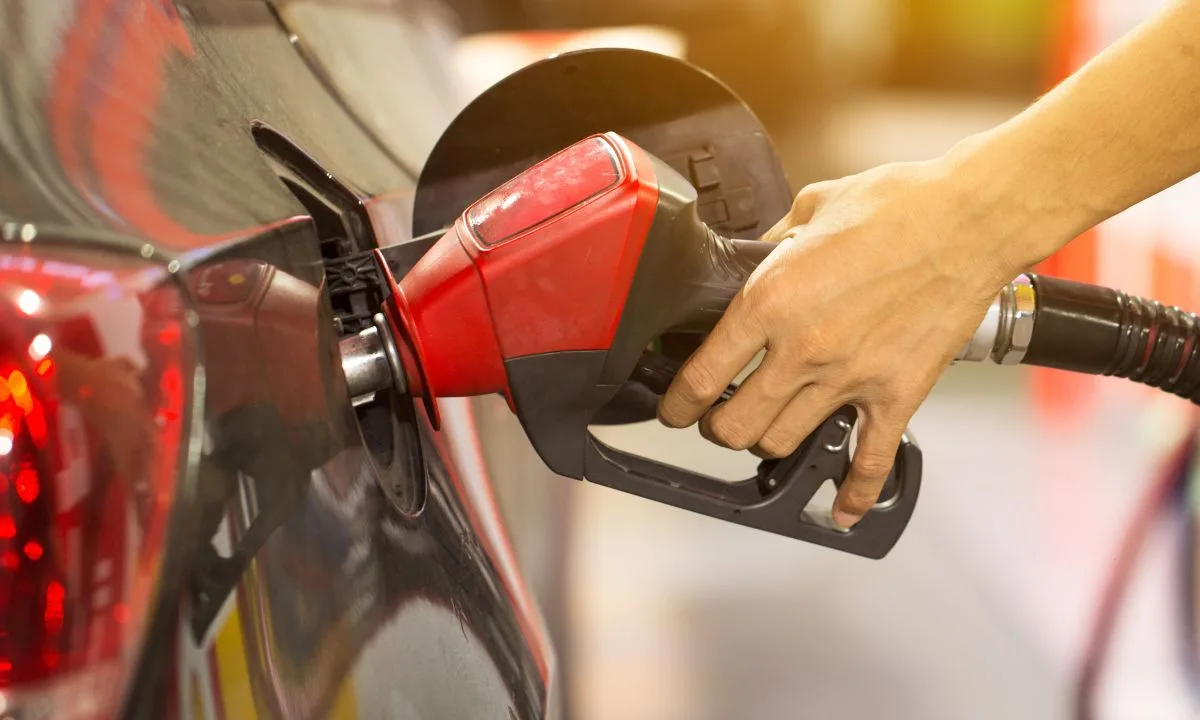
A class-action lawsuit filed in federal court accuses prominent gas station operators of using an artificial intelligence pricing tool to unlawfully raise fuel prices across California. The suit targets companies including Walmart, Marathon Petroleum, BP, and 7-Eleven, which collectively run more than 1,700 stations statewide.
The plaintiffs contend that these companies employed an algorithm from Kalibrate Fuel Systems that automatically adjusted gas and diesel prices based on shared confidential data. This tool reportedly caused prices to surge significantly—adding up to 22 cents per gallon for gasoline and 33 cents per gallon for diesel on top of already high costs during heightened geopolitical tensions in the Middle East.

According to the complaint, every additional penny per gallon translates into an estimated loss of approximately $134 million annually for California motorists. The lawsuit is among the first to invoke California’s AB 325, a law passed last year banning the use of shared pricing algorithms that facilitate price coordination.
State regulators have closely scrutinized these price increases. The California Division of Petroleum Market Oversight, an independent body within the California Energy Commission, issued subpoenas to several station owners amid concerns over unusually elevated pump prices.
The case rests on a legal theory gaining traction among antitrust enforcers nationwide: competitors using a common AI-driven pricing platform can engage in unlawful price coordination without direct communication. This hub-and-spoke conspiracy model centers on a shared algorithm acting as the coordinating "hub" between otherwise independent "spokes."
Federal authorities have highlighted that algorithmic pricing systems leave extensive digital footprints—such as logs and timestamps—that may bolster investigations rather than hinder them. This makes prosecutions of such cases more viable than traditional collusion claims.
Legislators are responding to these risks with proposed laws targeting algorithmic pricing practices. Currently, more than 60 bills addressing shared AI pricing are under consideration across multiple U.S. states, reflecting growing concern over automated systems facilitating anticompetitive behavior.
Kalibrate’s pricing software is not limited to the fuel industry but is employed by thousands of retailers nationwide. The case’s outcome could set a precedent for other sectors where shared AI algorithms influence pricing decisions, potentially reshaping how competition law addresses automated pricing technology.