

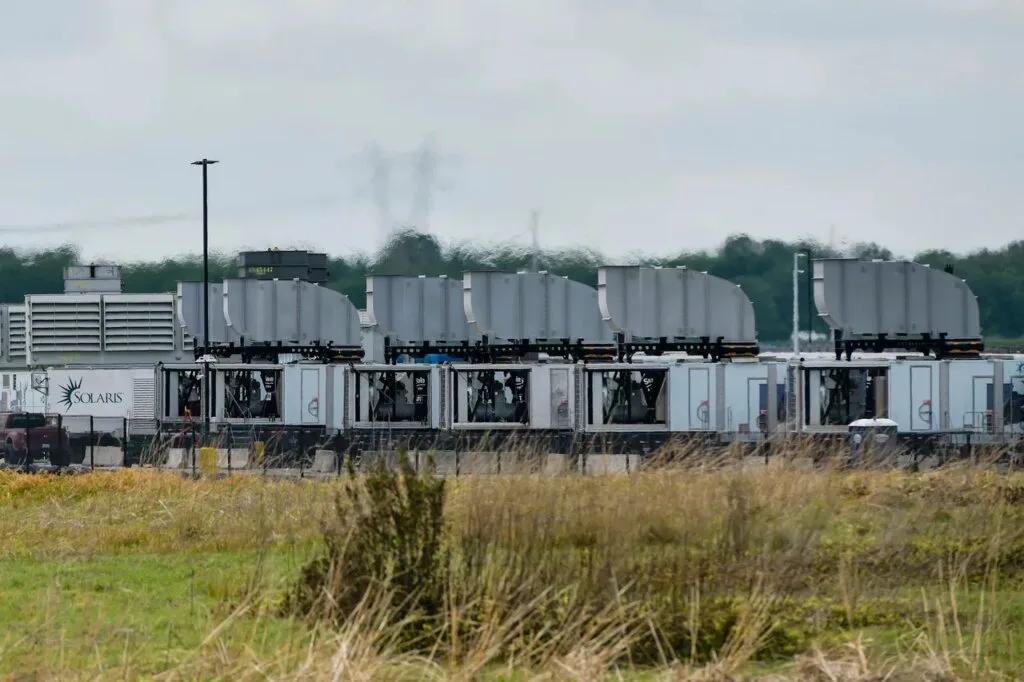
The Department of Justice has taken a clear stand in an ongoing lawsuit involving xAI, Elon Musk’s artificial intelligence company, defending its operation of natural gas turbines without environmental permits. The DOJ contends that attempts to halt xAI’s use of these turbines would jeopardize American national security by disrupting AI innovation essential to military operations.
This legal battle stems from a complaint filed by the NAACP, accusing xAI of violating the Clean Air Act by running unpermitted gas turbines at its Colossus 2 data center in Southaven, Mississippi. The NAACP stresses that the turbines increase pollution risks, particularly asthma and heart disease, in regions already burdened by poor air quality. It demanded a preliminary injunction to stop xAI from using the turbines until proper permitting is secured.

The DOJ, together with xAI and the State of Mississippi, moved to dismiss the lawsuit, highlighting that only a handful of AI models—including xAI’s Grok—are integrated into classified national security networks. According to a declaration by the Department of Defense’s chief digital and AI officer, the military relies on Grok’s government model for critical tasks, including recent operations targeting Iran. Shutting down the turbines would cut power to Colossus 2, putting sensitive defense activities at risk, the declaration warns.
xAI, affiliated with SpaceX, first attracted scrutiny in 2024 when residents near its initial data center in Memphis raised health concerns linked to unpermitted turbine emissions. The Memphis area is known for high asthma rates, amplifying community fears about additional pollution. While some state agencies have allowed a grace period for turbine operation without clean air permits, the NAACP disputes this as incompatible with EPA regulations.
The NAACP’s initial lawsuit identified 27 unpermitted turbines at Colossus 2, but revelations from emails shared by the Southern Environmental Law Center, which supports the NAACP case, indicate that number more than doubled to 57 turbines within weeks after the suit was filed. This surge correlates with significant increases in emissions of nitrogen oxides, particulate matter (PM2.5), and formaldehyde, exacerbating environmental and health risks according to the SELC.
The escalating turbine count and corresponding pollution levels underline the complexities in balancing the demands of cutting-edge AI technology infrastructure with regulatory compliance and public health safeguards. The court’s forthcoming decision will clarify the limits of operational flexibility for AI-powered military systems amid environmental law challenges.