

Caremark has agreed to change how it handles drug rebates and patient payments following an FTC settlement that targets anticompetitive practices in prescription pricing. Under the new arrangements, qualifying purchases made through the TrumpRx program will count toward patients’ insurance deductibles once regulatory frameworks are in place. This adjustment allows patients to benefit from cash discounts without losing progress on insurance coverage.
The settlement also compels Caremark to reduce its reliance on rebate-driven pricing models and to give clients the option to opt out of rebate payment structures. These changes are designed to lower the actual prices patients pay at the pharmacy counter by diminishing the rebate markups that have inflated drug costs artificially. The FTC estimates that this agreement could secure up to $8.5 billion in savings for consumers over the next decade, with an additional $4.5 billion potentially unlocked through new point-of-sale rebate methods.

Beyond rebate adjustments, the settlement creates a reimbursement pathway for small, independent pharmacies based on actual drug costs plus a fixed fee. This measure addresses longstanding concerns about opaque spread pricing and how pharmacy benefit managers (PBMs) have squeezed independent stores financially while concealing the distribution of rebate and fee revenues generated from prescription dollars.
The FTC’s antitrust action, initiated in September 2024, targeted major PBMs and related purchasing groups, focusing on practices that inflated insulin prices through controlled rebates. Caremark’s settlement follows a similar resolution secured earlier with another PBM, Express Scripts, which also required the inclusion of TrumpRx drug purchases in insurance deductible calculations.
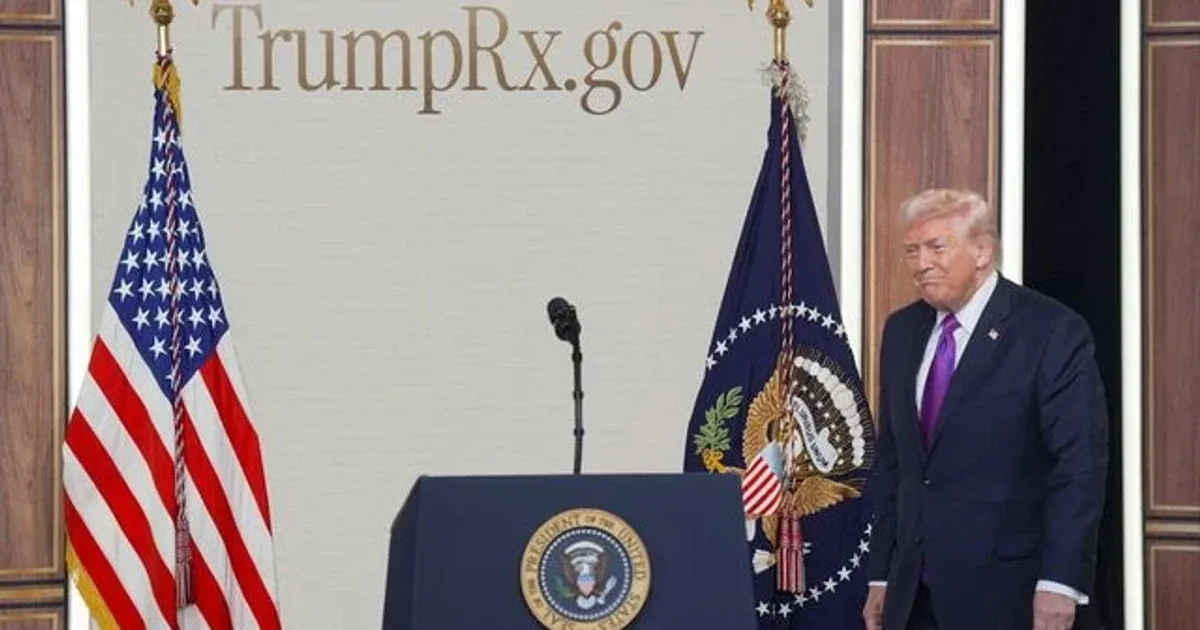
TrumpRx.gov, launched by the White House in early 2026, offers a direct-to-consumer portal for discounted prescription drugs, aiming to expand access to lower-cost medications outside traditional insurance channels. The initiative has faced scrutiny, including a January 2026 House Judiciary Committee report accusing involved entities of stifling competition and innovation within the drug market.
In response to the FTC settlement and ongoing investigations, CVS Health stated that the agreement resolves all existing litigation and probes related to rebate practices, pharmacy contracting, and vertical integration. CVS highlighted its recent record of negotiating nearly $80 billion in prescription drug savings and delivering close to $900 million in immediate rebate savings at the point of sale to millions of Americans. The company also expects that expanded adoption of these rebate models will yield approximately $450 million in annual savings over the coming decade.