

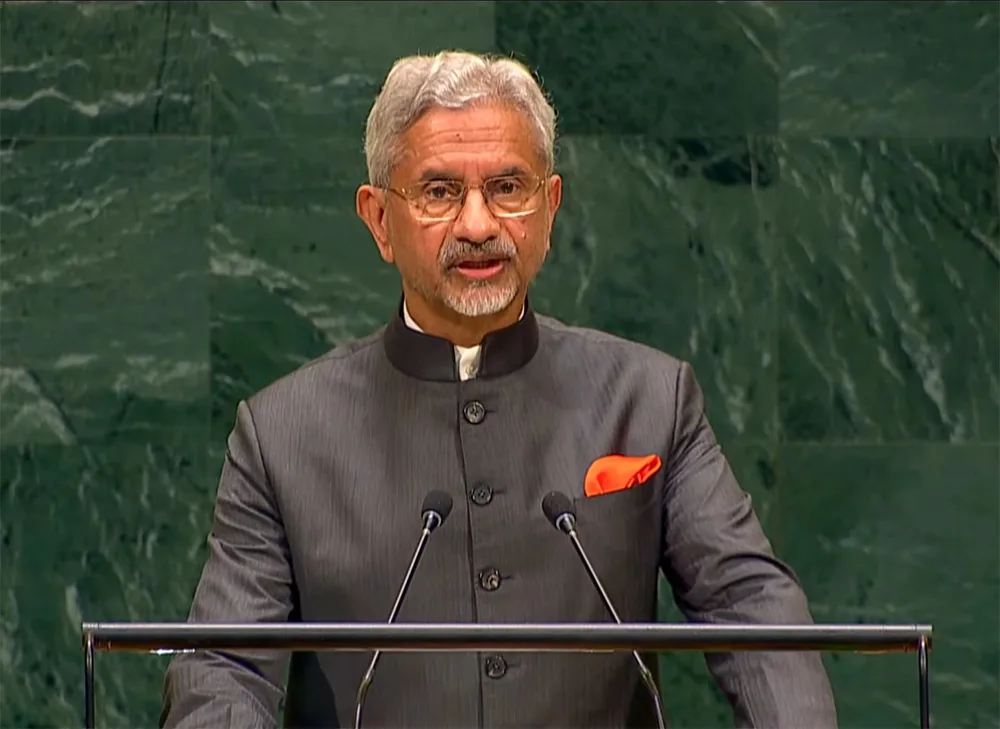
India has championed the principle that every nation has the sovereign right to develop its own artificial intelligence (AI) systems. This stance came amid ongoing international discussions at the United Nations focused on how to govern and regulate AI technologies globally.
In the debate, India highlighted the need for countries to maintain control over AI innovation to safeguard their individual technological and developmental interests. The country underscored that imposing uniform controls or regulations by global bodies could hinder national progress in AI capabilities.

The UN deliberations raised concerns about the concentration of AI power in the hands of a few countries and private corporations, framing these as risks that necessitate multilateral governance. India’s position counters calls for centralized international regulation by emphasizing a model that respects national autonomy in AI development.
India’s advocacy reflects broader worries shared by various countries about dependency on external AI infrastructures and the importance of nurturing homegrown AI technology to meet local needs and security requirements.
The discussion at the UN also touched on ethical considerations and the potential misuse of AI, prompting calls for frameworks that balance innovation with accountability, without compromising a country’s sovereign technology policies.