

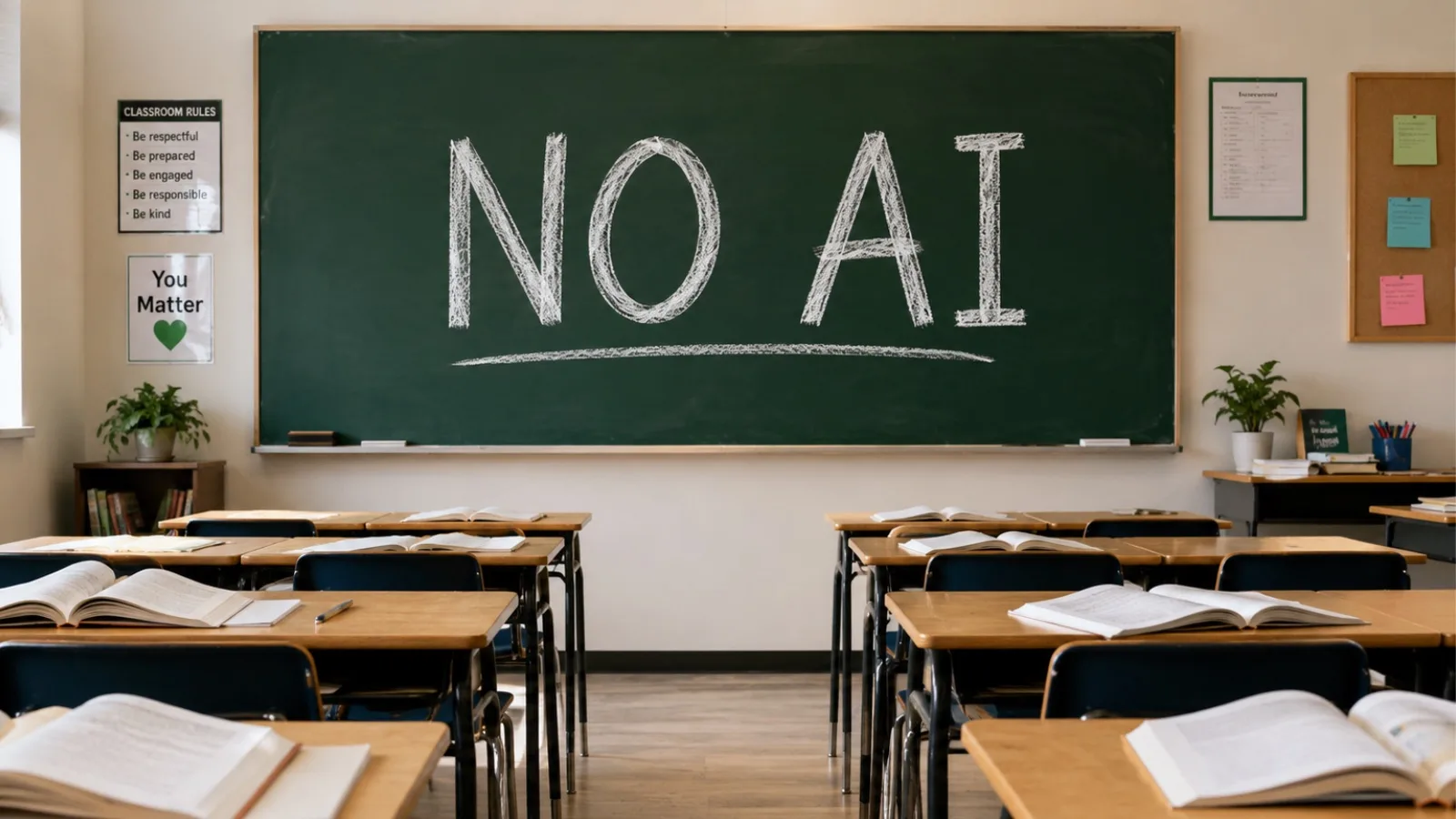
Norway is introducing significant restrictions on the use of generative artificial intelligence in its education system, targeting elementary students in an effort to address declining academic performance. Starting with the new school year, students aged 6 to 13 will be generally prohibited from using AI tools in classrooms to ensure they develop fundamental reading, writing, and math skills without technological shortcuts.
Under the new rules unveiled by Prime Minister Jonas Gahr Stoere, older students will have more access to AI under supervision. Lower secondary students, aged 14 to 16, may use AI tools but only with teacher oversight, while those 17 to 19 will be encouraged to engage with AI to prepare for higher education and future job markets. This nuanced approach reflects the government’s aim to balance limiting technology’s overreach with equipping older youth with relevant digital competencies.

The AI policy forms part of a broader government initiative to reduce technology dependence in schools. Earlier measures included banning smartphones from classrooms and strengthening teachers’ disciplinary authority. This comprehensive strategy responds to nationwide declines in test scores, prompting renewed focus on core learning methods over digital shortcuts.
In a further shift away from digital education tools, the government announced plans to boost funding for physical textbooks, reversing previous policies favoring tablets and computers. Norway’s education system has steadily increased digital integration since the 1990s, with tablets becoming common after 2010.
This move follows Norway’s recent proposal to ban social media use for children under 16, highlighting a broader commitment to limiting young people’s exposure to potentially distracting or harmful technologies. Similar age-based restrictions are under consideration in other countries, including the UK, where policymakers are responding to concerns about children’s screen time and online safety.